Behind the SCORE Act Vote Delay: Power, Politics, and the Future of College Sports NIL Reform

Sarah Johnson
December 4, 2025
Brief
Analysis of the SCORE Act’s delayed House vote reveals deep political, institutional, and structural challenges in federal college sports NIL regulation and what it means for athletics’ future.
Why the Delay in the SCORE Act Vote Signals Deeper Tensions in College Sports Reform
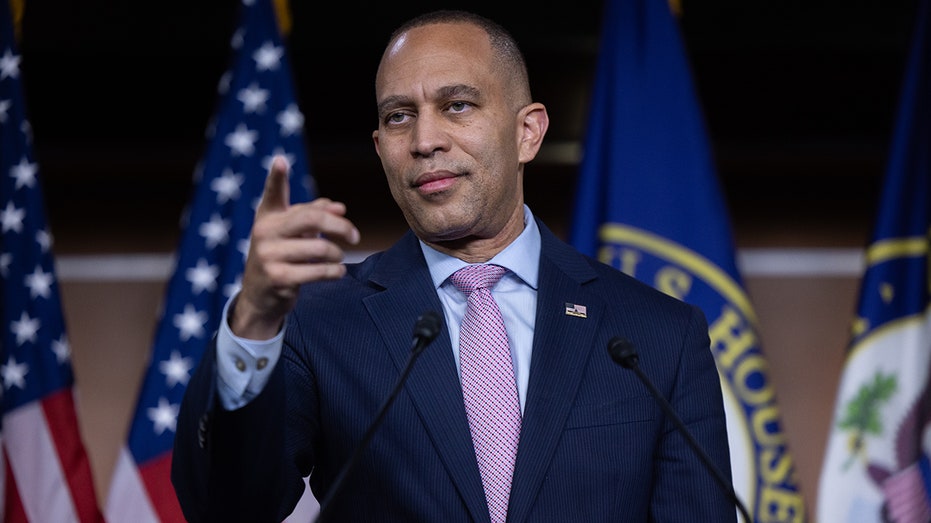
The recent postponement of the House vote on the Student Compensation and Opportunity through Rights and Endorsements (SCORE) Act, accompanied by the sharp criticism from Rep. Michael Baumgartner directed at Big Ten Conference Commissioner Tony Petitti, reveals much more than legislative gridlock. This moment exposes the complex, intertwined challenges that collegiate athletics faces today—from governance disputes and financial inequities to partisan fragmentation—and underscores how resolving the name, image, and likeness (NIL) landscape is becoming a proxy battle over the identity and future of college sports.
The Bigger Picture: A Century-Old Struggle With Governance and Amateurism
The SCORE Act is the latest chapter in over a century of debates about amateurism, athlete rights, and commercialization in U.S. college sports. Since the NCAA's founding in 1906—ironically under Theodore Roosevelt’s urging to reduce football’s brutality—college athletics has wrestled with harmonizing competitive fairness, educational missions, and financial opportunity. For decades, athletes were barred from profiting off their own labor, a situation increasingly untenable as universities and conferences rake in billions from broadcasting, merchandising, and sponsorships.
In recent years, the NIL revolution has fractured the traditional amateurism model, putting elected officials under pressure to establish federal guardrails. The SCORE Act represents Congress’ attempt to bring order, balancing athlete compensation rights with institutional control. Yet, as Baumgartner’s critique makes clear, it is far from a consensus document; the bill’s partial antitrust protections, lack of uniform athlete treatment across sports, and failure to address broader systemic issues reflect persistent structural contradictions.
What This Really Means: Power Battles and the Limits of Current Reform
Baumgartner’s pointed remarks about Big Ten Commissioner Tony Petitti's lobbying efforts highlight a recurring theme in college sports reform: the clash between powerful institutional stakeholders and reform-minded factions. The Big Ten, long a dominant force in college sports revenue and exposure, has a vested interest in shaping regulations to preserve its competitive and financial advantages.
This tension is compounded by the fragmentation of Congressional oversight across four committees (Education, Judiciary, Commerce, and Ways & Means), diluting the focus and delaying progress. Baumgartner’s call for a dedicated select committee echoes historical precedents when concentrated political will (such as Roosevelt’s intervention) was required to resolve entrenched issues in college football's early days.
Moreover, the SCORE Act’s provisions to exclude athletes from being employees and to bar student fees from funding NIL payments reveal congressional discomfort with fully embracing athlete labor rights, reflecting broader political and cultural resistance to disrupting amateurism entirely. This cautious approach risks perpetuating the "wild west" scenario critics decry, where NIL opportunities vary wildly by sport, athlete profile, and geography.
Expert Perspectives: Diverse Views on Federal NIL Regulation
Legal scholars such as Darren Heitner, an expert on sports law and NIL, argue that federal regulation is critical to ending interstate disparities but caution that any legislation must be comprehensive and flexible enough to adapt to rapidly evolving markets. "A piecemeal approach will only prolong uncertainty and inequity," he notes.
Conversely, some college sports administrators advocate for minimal federal intervention, emphasizing the need to preserve institutional autonomy and avoid stifling innovative NIL partnerships tailored to local contexts. Tony Petitti and other commissioners argue that conferences have the expertise and incentive to govern responsibly.
Political analysts point to the ideological split—where conservatives like Baumgartner and Roy oppose the current bill over concerns about government overreach and fairness, despite the White House’s endorsement—as emblematic of broader partisan battles over regulation versus free market principles.
Data & Evidence: Commercial Stakes and Athlete Inequities
The college sports industry generates roughly $18 billion annually, with the Power Five conferences capturing the lion’s share through TV rights deals alone. Meanwhile, NCAA athletes historically received no direct financial compensation beyond scholarships, though NIL deals now inject millions into top-tier athletes, primarily in high-profile sports like football and basketball.
However, the NIL benefits are not equitably distributed. A 2024 report by Opendorse indicated that over 70% of NIL dollars flow to fewer than 10% of athletes, reflecting disparities by sport, market size, and media exposure. Fans and politicians alike are increasingly critical of these inequities, fueling legislative interest.
Looking Ahead: Navigating an Uncertain Regulatory Future
The SCORE Act’s delay underscores the precarious path to federal NIL regulation. For true reform to succeed, stakeholders must reconcile competing agendas: athlete empowerment, conference interests, institutional autonomy, and political feasibility.
Expect continued Congressional debate, with pressure to create a unified committee to coordinate efforts and perhaps presidential involvement inspired by historic precedents. Meanwhile, conferences will continue lobbying vigorously, and universities will experiment with NIL and transfer policies independently.
Crucially, future legislation must grapple with underlying systemic issues Baumgartner highlighted: capping coaching salaries, addressing private equity’s growing influence, and reforming transfer portal dynamics to foster competitive balance and athlete rights.
The Bottom Line
The SCORE Act vote delay and ensuing political fireworks reveal that federal NIL legislation is about much more than athlete pay—it is a battleground for defining the future power structures and values of collegiate sports. Without focused, coordinated political action and willingness from all actors to compromise, reform will remain elusive, prolonging uncertainty for athletes, institutions, and fans alike.
Topics
Editor's Comments
The SCORE Act delay is emblematic not only of the complexity involved in reforming college sports compensation but also of the underlying power struggle between institutions, athletes, and political actors. Rep. Baumgartner’s blunt call-out of Big Ten leadership spotlights the frustration many feel about corporate influence overshadowing athlete welfare. Historically, pivotal reforms in college athletics have required decisive political leadership and clear jurisdictional focus—something currently lacking. Moving forward, the key question is whether Congress can coalesce around a solution that elevates athlete equity without triggering unintended consequences that undermine the competitive fabric or educational mission of collegiate sports. The coming months will be critical as these competing forces play out both on Capitol Hill and in the boardrooms of athletic conferences.
Like this article? Share it with your friends!
If you find this article interesting, feel free to share it with your friends!
Thank you for your support! Sharing is the greatest encouragement for us.