
The Complex Intersection of Minnesota Politics, Somali Immigration, and Enforcement: An In-Depth Analysis of the Ibrahim Case

Sarah Johnson
December 6, 2025
Brief
A deep analysis of the arrest of Somali immigrant Abdul Dahir Ibrahim highlights the complex interplay between immigration enforcement, Minnesota politics, and the challenges sanctuary policies pose.
Why This Story Matters
The arrest of Abdul Dahir Ibrahim, a Somali immigrant with a complex legal history and documented ties to prominent Minnesota Democratic politicians, exposes multifaceted challenges at the intersection of immigration policy, local politics, and community relations. Beyond the immediate headlines, this case highlights deep systemic issues facing sanctuary jurisdictions, immigrant communities, and the contentious political environment surrounding immigration enforcement.
The Bigger Picture: Historical and Political Context
Minnesota has long been a major resettlement hub for Somali immigrants, with the community growing significantly since the early 1990s following civil unrest in Somalia. Over the past three decades, Somali-Americans have become a politically significant demographic, particularly in Minneapolis, where they hold elected offices and exert influence in local policymaking.
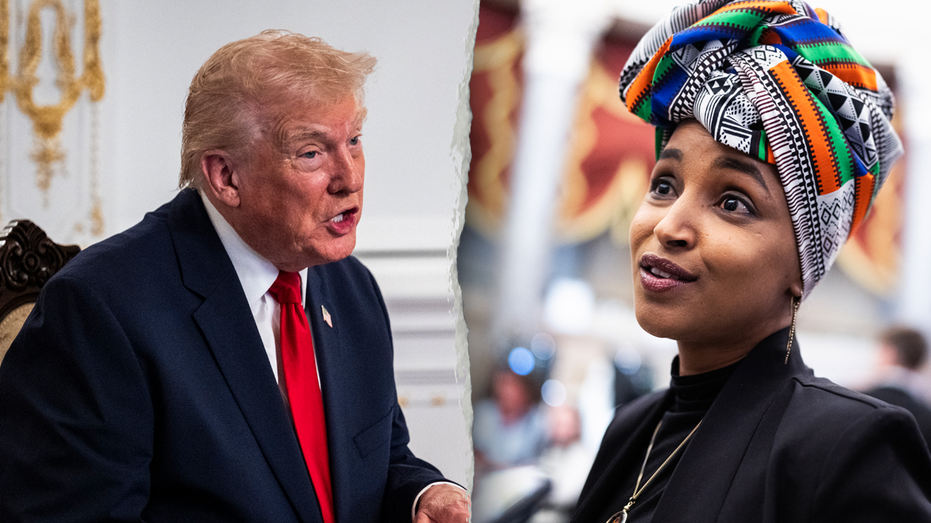
However, Minnesota's sanctuary policies, designed to protect undocumented residents from federal immigration enforcement, have become a flashpoint nationally. The state’s approach reflects broader debates about local versus federal authority, the integration of immigrant populations, and public safety concerns. The tension is amplified by figures like former President Donald Trump, whose administration aggressively targeted sanctuary cities and sought to curtail protections such as Temporary Protected Status (TPS) for Somali migrants.
Abdul Dahir Ibrahim's case, spanning multiple decades and jurisdictions—including Canada and the U.S.—illuminates this complex terrain. His long-standing deportation order, undermined repeatedly by appeals and protections like TPS, illustrates how immigration policy, judicial decisions, and political advocacy intertwine in ways that complicate enforcement efforts.
What This Really Means: Implications and Significance
At face value, the discovery of a convicted fraud offender with ties to high-profile Democratic figures could serve as political ammunition in debates over immigration enforcement and public safety. Yet, the broader implications are far more nuanced.
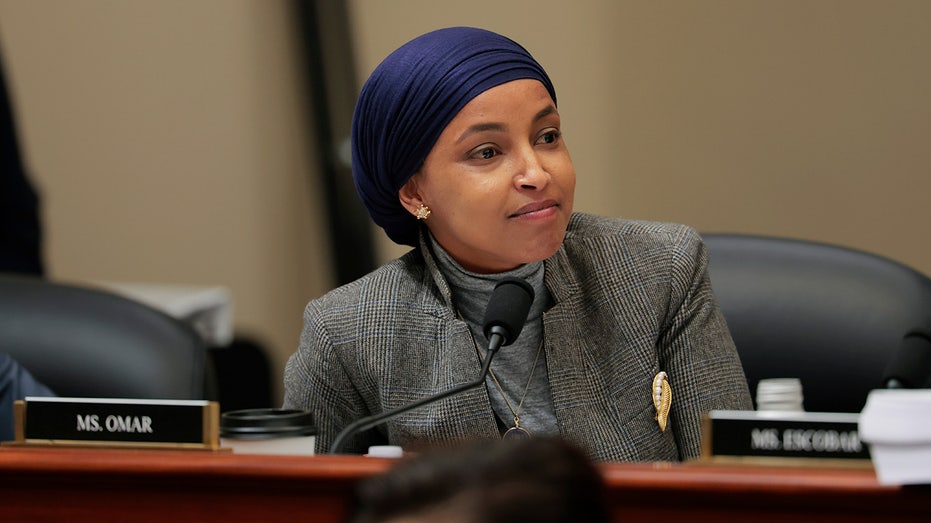
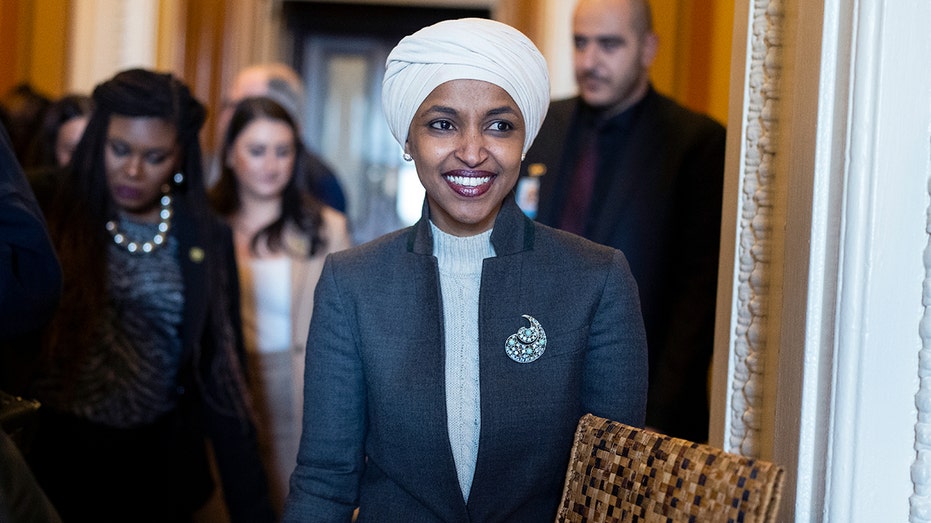
First, the involvement of elected officials like Governor Tim Walz, Rep. Ilhan Omar, and others in supporting Ibrahim’s legal defense raises questions about the balance between political advocacy for vulnerable immigrant communities and accountability for criminal behavior. Their letters of recommendation and association with Ibrahim likely reflect efforts to protect constituents from deportation while navigating imperfect legal frameworks.
Second, this case spotlights systemic vulnerabilities in immigration adjudication. Despite Ibrahim’s criminal convictions and a removal order dating back nearly two decades, ongoing TPS status and pending applications have effectively stalled enforcement. This suggests bottlenecks in administrative capacity and challenges in verifying claims amid complex humanitarian considerations.
Third, the case fuels ongoing partisan narratives. The Trump administration’s framing of Minnesota as a "hub of money laundering" and claims of Somali-linked fraud networks tap into broader anxieties about counterterrorism, social cohesion, and resource allocation. Yet, experts caution against conflating individual criminal acts with entire communities, emphasizing the need for targeted enforcement balanced against civil rights protections.
Expert Perspectives
Dr. Dara Lind, an expert on immigration policy, notes, "Cases like Ibrahim’s illustrate the friction between federal enforcement priorities and local political landscapes that emphasize immigrant integration. The challenge is maintaining rule of law without undermining community trust in government institutions."
Thomas Frank, a legal analyst specializing in immigration law, adds, "The protracted legal proceedings demonstrate how immigration courts struggle under backlogs and how TPS and other humanitarian statuses can delay deportation, for better or worse, depending on perspective."
Jamal Noor, a Somali-American community organizer in Minnesota, warns, "While accountability matters, it is crucial that the framing of such cases does not stigmatize entire communities or feed xenophobic narratives that harm social cohesion and public safety in the long run."
Data & Evidence
- Somali immigrants represent one of the largest refugee populations in Minnesota, with an estimated 40,000 to 50,000 residents as of the late 2010s.
- Since 2010, Minnesota courts and ICE have faced increasing challenges enforcing deportation orders among Somali nationals, partly due to appeals, TPS applications, and legal protections.
- Federal data shows that as of 2023, Minnesota is one of the top sanctuary states, which is correlated with lower rates of cooperation with ICE detainers, complicating enforcement.
- Reports from the Department of Justice and Treasury hint at broader concerns about fraud schemes linked to COVID-19 aid and other sources, though specific links to Somali communities remain under review.
Looking Ahead: Future Trends and What to Watch
The Ibrahim arrest and related investigations signal likely intensified federal scrutiny on sanctuary policies, immigrant fraud claims, and the political involvement of community leaders. Minnesota may see increased ICE operations and political pushback, possibly culminating in legal battles over federalism and immigration sovereignty.
Additionally, Somali-American political engagement is likely to be tested as leaders balance advocacy for their constituencies with public calls for accountability. This may influence electoral outcomes, community relations, and policy frameworks.
Nationally, the debate exemplifies the growing polarization around immigration enforcement in refugee-heavy states, highlighting the need for comprehensive immigration reform that addresses enforcement, integration, and humanitarian protection holistically.
The Bottom Line
Abdul Dahir Ibrahim’s case is a prism revealing the complexity of immigration enforcement in sanctuary jurisdictions, especially where immigrant communities wield political influence. It challenges simplistic narratives about crime and immigration, underscoring the tangled interplay of law, politics, and identity. As investigations unfold, Minnesota stands at a crossroads—balancing security imperatives against commitments to immigrant integration and civil rights.
Topics
Editor's Comments
This case underscores the complex realities of immigration enforcement where law, community advocacy, and political identity collide. It challenges simplistic narratives of either ‘tough enforcement’ or ‘open sanctuary’ by revealing how long-standing legal proceedings and political connections impact outcomes. As the federal government pursues tighter investigations, it is critical to watch whether Minnesota's model of local empowerment or the federal prioritization of security will prevail. Moreover, the risk remains that such cases could be weaponized politically, further fracturing community trust rather than fostering constructive reform. Journalists and policymakers alike must carefully parse facts from rhetoric to navigate this sensitive terrain.
Like this article? Share it with your friends!
If you find this article interesting, feel free to share it with your friends!
Thank you for your support! Sharing is the greatest encouragement for us.