Tiger Woods’ Surgery and Uncertain Comeback: What It Reveals About Athlete Longevity and Golf’s Future

Sarah Johnson
December 3, 2025
Brief
An in-depth analysis of Tiger Woods' recent back surgery and its implications for his golfing legacy, athlete recovery, and the future of professional golf careers.
Opening Analysis
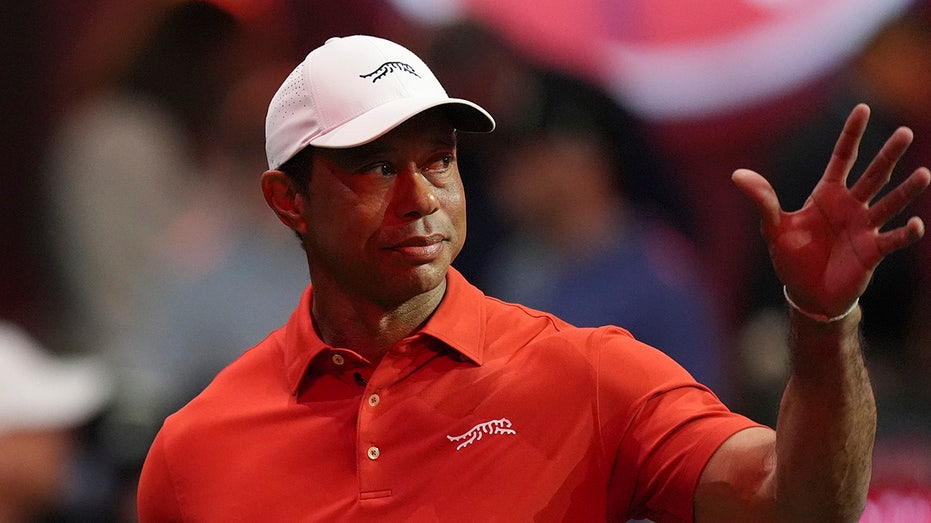
Tiger Woods, a towering figure in golf history, recently offered his first public remarks following a significant back surgery, reigniting widespread speculation about the precariousness of his competitive future. This moment highlights not only the challenges faced by aging athletes managing chronic injuries but also raises broader questions about legacy, recovery, and adaptation in professional sports. Woods' pathway back to golf is emblematic of the intersection between elite athletic performance, medical advances, and the personal drive that defines sports legends.
The Bigger Picture
Tiger Woods' career has reshaped golf's cultural and competitive landscape since his breakthrough in the late 1990s. His 15 major championships position him second only to Jack Nicklaus’ record 18, a tally long thought untouchable. However, Woods’ career arc has been punctuated by dramatic highs and debilitating lows, mainly due to a series of injuries.
Beginning in 2014, Woods’ chronic back problems emerged as a persistent obstacle. His multiple surgeries—seven procedures to his back alone—testify to the severe toll of professional golf’s physical demands, especially under the strain of Woods’ powerful swing and intense competitive schedule. His October 2025 disc replacement surgery represents the latest chapter in a long rehabilitation saga, reflecting advances in surgical methods but also underscoring the realities of aging for elite athletes nearing 50.
Woods’ trajectory also mirrors a growing phenomenon in professional sports: the challenge of extending competitive careers amid evolving physical limitations. Just as NBA stars like LeBron James have adapted training regimens, Woods’ cautious approach to recovery and the potential move to PGA Tour Champions in 2026 illustrates a strategic shift tailored to longevity and quality of life.
What This Really Means
The implications of Woods’ health and playing status resonate far beyond personal milestones. First, his cautious comments—emphasizing no fixed timetable and progress measured stepwise—signal a fundamental acceptance that his previous peak performance levels may be unattainable. This challenges narratives of the invincible sports hero and highlights the nuanced reality of career transitions.
Moreover, Woods’ journey spotlights the medical and psychological dimensions of injury recovery in professional golf. The disc replacement, while less invasive than spinal fusion, involves lengthy healing and gradual rebuilding of strength, particularly critical in a sport reliant on rotational power, stability, and repetitive motion.
Woods' eligibility for the PGA Tour Champions in 2026 introduces an alternative competitive avenue, where modified tournament formats (three rounds, golf carts allowed) accommodate physical constraints while preserving high-caliber play. This transition represents a broader dialogue within sports on how to balance competitiveness with athlete well-being, extending careers without compromising health.
Finally, Woods’ return—or absence—carries cultural weight. He transformed golf by broadening its audience and inspiring diversity. How his narrative unfolds may impact fan engagement, sponsor dynamics, and media coverage of the sport as it anticipates its next era.
Expert Perspectives
Dr. Christopher Hughes, Orthopedic Surgeon specializing in sports medicine: "Tiger’s disc replacement surgery is a hopeful sign, as it preserves more spinal mobility compared to fusion. However, the rehab timeline remains unpredictable—especially given golf’s demands on the lumbar spine during the swing. His cautious approach is medically prudent."
Dr. Emily Stein, Sports Psychologist and Rehabilitation Specialist: "The mental resilience needed for repeated injury comebacks is immense. Tiger's public remarks suggest he’s mentally pacing himself, focusing on incremental progress which is essential for sustaining motivation and avoiding burnout in prolonged recovery processes."
Jim McCabe, PGA Tour Analyst and Historian: "Woods’ potential transition to the PGA Tour Champions is a natural evolution. It allows him to compete meaningfully while adapting to physical changes. It also reflects a growing trend among athletes across sports—a shift to modified competitive environments that extend career lifespans."
Data & Evidence
- Woods has undergone seven back procedures, indicating chronic and recurrent spinal issues.
- He is currently 49 years old; the average peak performance age for male golfers is generally in the early to mid-30s.
- The PGA Tour Champions allows use of golf carts, shorter tournaments (three rounds vs. four), acknowledging the physical adaptation needs of senior players.
- Golf biomechanics studies show that lumbar spine rotation contributes up to 50-70% of swing power, underscoring the significance of back health for performance.
- Woods’ recent ability to chip and putt indicates progress; putting is less physically demanding but critical to scoring, reflecting strategic rehab sequencing.
Looking Ahead
Several key developments warrant close attention:
- Rehabilitation milestones: Watching Woods’ progression from chipping to full swing practice will inform realistic timelines for competitive play.
- Competitive decisions: Whether Woods opts for select PGA Tour events, the TGL league, or fully commits to PGA Tour Champions will shape his public profile and career legacy.
- Technological and medical advancements: Future surgical and rehab innovations may influence Woods’ eventual capabilities and potentially those of other aging athletes.
- Impact on golf’s global audience: Woods’ presence or prolonged absence affects fan engagement, sponsorships, and the sport's marketing narratives.
The Bottom Line
Tiger Woods’ recent public comments on his back surgery emphasize a sobering yet hopeful realism about the challenges of returning to elite golf. His journey underscores broader themes of athlete longevity, medical innovation, and career adaptation in a physically demanding sport. While his competitive future remains uncertain, Woods continues to embody resilience and strategic evolution, offering vital insights into the intersection of sport, health, and legacy.
Topics
Editor's Comments
Tiger Woods’ ongoing recovery encapsulates the evolving narrative of modern sports, where medical innovation and athlete psychology intersect sharply with performance and legacy. His measured public comments reflect a mature understanding of his body’s limits, contrasting with the relentless, sometimes reckless drive of his earlier years. This shift is not merely physical but symbolic of an athlete adapting his identity—grappling with impermanence while still seeking purpose on the course. Observing Woods’ journey offers a powerful lens on how sports culture negotiates heroism, vulnerability, and change in an era defined by both longevity and innovation.
Like this article? Share it with your friends!
If you find this article interesting, feel free to share it with your friends!
Thank you for your support! Sharing is the greatest encouragement for us.