
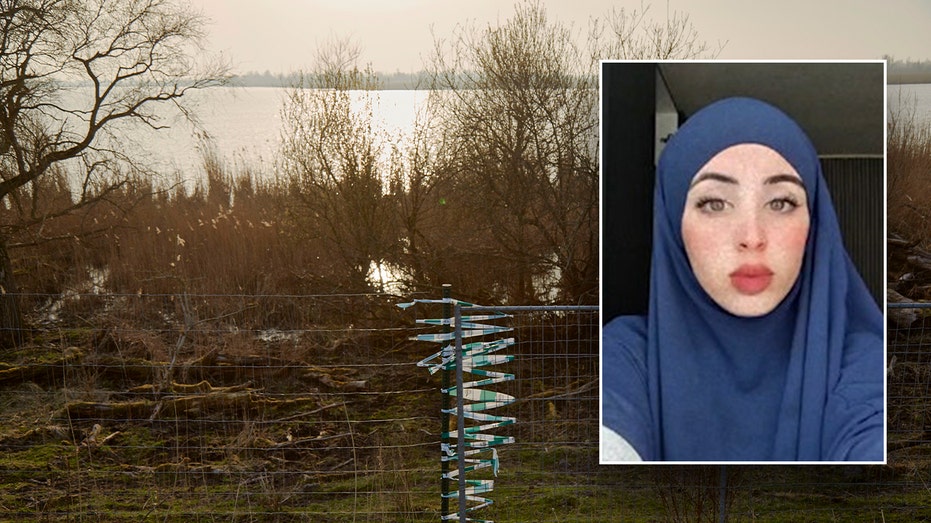
Ryan Al Najjar’s Honor Killing: Unpacking the Cultural, Gender, and Legal Fault Lines Behind a Tragic Murder

Sarah Johnson
December 3, 2025
Brief
An in-depth analysis of Ryan Al Najjar’s tragic honor killing reveals the complex cultural, gender, and migration tensions fueling such violence in Europe, highlighting urgent societal and legal challenges.
Opening Analysis
The tragic killing of Ryan Al Najjar, allegedly at the hands of her father and brothers for rejecting traditional dress codes and adopting a "Western" lifestyle, shines a harsh light on the complex and perilous clash between cultural traditions and individual freedoms within immigrant communities in Europe. This case goes far beyond a gruesome crime; it exposes the enduring, sometimes violent, tensions at the intersection of gender, migration, and identity in a globalized world. The prosecutors' depiction of the murder as stemming from perceived "shame" highlights ongoing struggles over honor, autonomy, and women's rights that reverberate across many societies facing similar challenges.
The Bigger Picture
Honor-based violence has a long and tragic history spanning cultures worldwide. Predominantly targeting women, such violence is utilized to enforce patriarchal norms around sexuality, dress, and behavior that are deemed vital to family or community reputation. In many cases, female autonomy symbolized through Westernized apparel or lifestyle choices is interpreted as defiance threatening these traditional structures.
Europe has seen numerous cases of so-called "honor killings" within migrant communities, often rooted in highly conservative interpretations of gender roles. Countries such as the Netherlands, with sizable Syrian and other Muslim immigrant populations, confront challenges integrating cultural diversity with liberal values like gender equality and freedom of expression. Public discourse has oscillated between increased awareness and politicization, complicating law enforcement and social interventions.
Ryan Al Najjar's murder in 2024 occurred against this backdrop. She was a young woman caught between her family's strict Islamic upbringing and the secular Dutch societal norms encouraging self-expression. Her refusal to wear a headscarf publicly—a deeply symbolic act—appears to have triggered the fatal confrontation rooted in perceived family honor.
What This Really Means
This case encapsulates the volatile consequences when multi-layered identity conflicts are left unaddressed within immigrant families. It foregrounds the dangerous extremities of patriarchal control structures that enforce conformity through violence. The use of social media as a catalyst—Ryan’s TikTok video without a headscarf escalated tensions—illustrates how traditional honor codes collide with modern digital exposure, intensifying scrutiny and shame.
More broadly, Ryan’s murder forces a reckoning with how host societies handle cultural plurality and protect vulnerable individuals, particularly women expressing independence. The fact that her father reportedly fled to Syria post-crime underscores the jurisdictional and enforcement challenges of transnational perpetrators. It also reveals fractures within family units destabilized by immigration stress, gender oppression, and intergenerational cultural gaps.
Additionally, prosecuting this as a hate- or honor-motivated killing implicates broader debates about radicalization, integration, and multiculturalism. Yet, framing such crimes solely through religion risks oversimplification. Experts emphasize the role of entrenched patriarchal norms and the socio-political conditions migrants face rather than attributing violence to religious doctrine alone.
Expert Perspectives
- Dr. Amina El-Tayeb, Sociologist specializing in migration and gender: "Honor-based violence is fundamentally a symptom of power imbalances within families and societies, often exacerbated by migration-related alienation. Ryan's tragedy highlights the urgent need for culturally competent support services and educational interventions that address the root causes rather than just criminal responses."
- Professor Jonathan H. Bloom, Expert in Islamic Studies and human rights: "While often linked in popular media to Islam, honor killings are cultural phenomena transcending religious boundaries. It’s critical to distinguish between faith tenets and how patriarchal cultures interpret and distort them to control women."
- Detective Inspector Marijke de Vries, Dutch law enforcement: "This case challenges law enforcement to adapt to complex family dynamics compounded by cultural norms. It underscores the importance of early intervention mechanisms and community cooperation to prevent escalation into violence."
Data & Evidence
Studies estimate that in Europe, between 12,000 and 18,000 women annually face some form of honor-related violence, ranging from threats to homicide. In the Netherlands, while exact figures are hard to validate due to underreporting, law enforcement acknowledges a steady rise in documented cases over the past decade. Data also indicates victims are often between 15 and 25 years old—mirroring Ryan’s age—and come disproportionately from migrant backgrounds with conservative family structures.
Social media platforms have become double-edged swords: while empowering youth to express identity, they also expose them to surveillance and backlash from traditionalists. The prosecutor's emphasis on Ryan’s TikTok video as a trigger case illustrates the evolving nature of honor conflicts in the digital age.
Looking Ahead
Legally, the pending sentencing in January 2026 is expected to set a significant precedent for how Dutch courts handle honor killings. The 25-year sentence sought for the father and lengthy terms for the brothers reflect a stringent criminal justice approach intended as deterrence.
Policy-wise, there is mounting pressure on European governments to implement multi-pronged strategies combining legal frameworks, community outreach, education, and victim protection tailored to honor violence’s unique dynamics. Engagement with religious and cultural leaders who reject violence is critical to drive change from within.
Technologically, social media companies face increasing scrutiny to better monitor and address content that might incite or expose individuals to harm. Balancing freedoms and protection remains a major challenge.
Finally, social integration policies must address gender equity and empower young migrant women to navigate between cultural heritage and personal freedoms without fear.
The Bottom Line
The Ryan Al Najjar case is a heart-wrenching illustration of how cultural, generational, and gender conflicts can escalate to catastrophic violence when unsupported by effective social and legal mechanisms. It underlines the urgent need for nuanced understanding and proactive responses to honor-based violence in multicultural societies. Beyond punishment, breaking cycles of patriarchal control, empowering vulnerable individuals, and fostering dialogue must be central to preventing future tragedies of this nature.
Topics
Editor's Comments
This heartbreaking case compels us to confront uncomfortable truths about cultural conflicts that persist beneath the surface of European societies. While the judicial system focuses on punishment, the long-term solution lies in fostering dialogue and education that dismantle the patriarchal power structures allowing such violence to thrive. It also questions how host nations balance cultural respect with human rights protections. The international dimension—illustrated by the father's flight to Syria—raises further questions about accountability beyond borders. As journalists and analysts, we must tread carefully, avoiding simplistic cultural condemnation while amplifying the voices of victims and advocates pushing for meaningful change.
Like this article? Share it with your friends!
If you find this article interesting, feel free to share it with your friends!
Thank you for your support! Sharing is the greatest encouragement for us.