
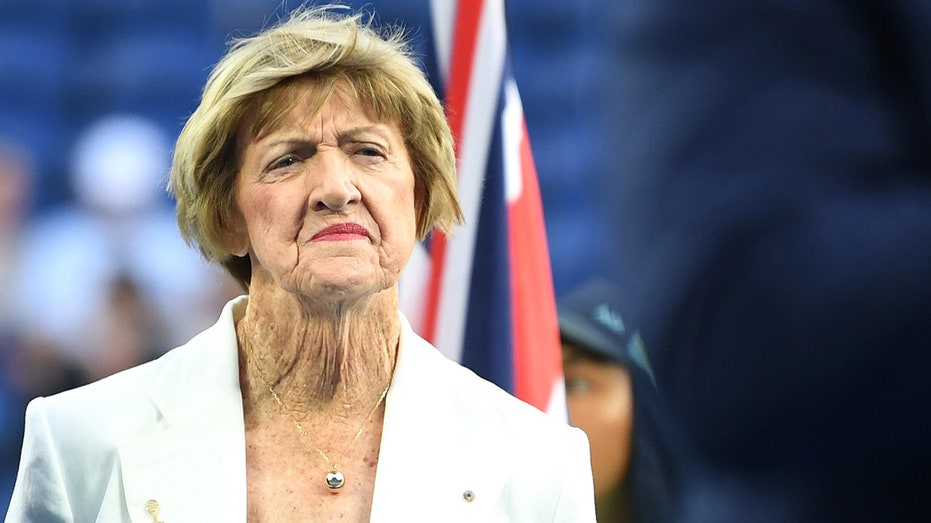
Margaret Court’s Controversy on Transgender Youth Highlights Clash of Religion, Science, and Education

Sarah Johnson
December 3, 2025
Brief
Margaret Court's stance against transgender ideology in schools reveals deep tensions between religious values, medical ethics, and youth rights, highlighting a critical cultural conflict shaping education and healthcare policy.
Opening Analysis
Margaret Court’s recent comments opposing transgender healthcare access for children and critiquing secular shifts in public school values shine a spotlight on a deeply contentious social debate. As a revered sports figure turned Pentecostal minister, her perspective embodies the intersection of cultural conservatism, religious belief, and emerging rights discourse surrounding gender identity. This tension reveals much more than individual opinion—it reflects an ongoing struggle over how societies negotiate science, identity, morality, and education in the 21st century.
The Bigger Picture
The intersection of transgender rights and educational policy has been a fraught battleground globally, especially since the early 2010s when visibility and advocacy for transgender youth increased significantly. Historically, public schools were primarily secular spaces with curricula shaped by prevailing social norms, which, for decades, largely excluded open discussion of gender identity and non-cisnormative experiences. Margaret Court’s concern over "Christian values being taken out of schools" taps into longer-running cultural conflicts about the role of religion in public education, dating back to foundational debates in countries like the United States and Australia over prayer, creationism, and sex education.
Simultaneously, medical approaches to gender dysphoria in minors have evolved, with puberty blockers and hormone therapies becoming more accessible based on guidelines from bodies like the World Professional Association for Transgender Health (WPATH). These interventions, intended to provide time and space for youth to explore gender identity, remain controversial — not least because the evidence base is still developing and because of the ethical complexities in treating minors.
What This Really Means
Court’s statements underscore a broader clash between traditional religious frameworks and emergent understandings of gender fluidity and medical ethics. Her framing of puberty blockers as “trap” treatments that youth cannot reverse reflects one side of a polarized discourse, often rooted in concerns about bodily autonomy, developmental psychology, and moral responsibility. While she emphasizes her rights as a Christian minister and defends biblical teachings on gender and marriage, her stance also highlights how religious beliefs influence public debates about science policy and youth healthcare.
The public platform of a figure like Court amplifies the cultural repercussions; her voice lends weight to conservative constituencies skeptical of what they perceive as rapid social change undermining established norms. This can impact legislation on transgender rights, influence school board policies, and shape public opinion through media representation. At the same time, critics argue that such opposition can endanger vulnerable transgender youth by stigmatizing identities and restricting access to supportive care.
Expert Perspectives
Dr. Anneliese Singh, Clinical Psychologist and Gender Specialist: "Puberty blockers are used precisely to create space for youth to explore their identity safely and reversibly. Concerns about 'locking in' treatments often stem from misunderstandings about the medical protocols, which prioritize careful assessment and ongoing consent. Removing these options based on ideological grounds risks harming mental health outcomes."
Professor Michael Blanchard, Ethics and Religious Studies Scholar: "Margaret Court's views emerge from a place of sincere faith, reflecting a theologically grounded anthropology about gender. The challenge is how pluralistic societies with diverse beliefs balance religious convictions with the rights of individuals, especially children, to access evolving healthcare."
Dr. Hannah Gemma, Sociologist of Education: "The removal or diminishing of religious education in schools corresponds with secularization trends but also complicates discussions about identity, belonging, and values. Court's remarks reflect broader anxieties about rapid cultural shifts and the role of school as a space where societal norms are contested."
Data & Evidence
- Studies show that transgender youth who receive gender-affirming care, including puberty blockers, have substantially better mental health outcomes, including lower rates of depression and suicidal ideation (Turban et al., 2020, Pediatrics).
- According to a 2024 Pew Research Center survey, 61% of adults in the US support allowing transgender youth to access gender-affirming healthcare under medical supervision, while opposition strongly correlates with religious conservatism.
- Approximately 10% of youth in some Western countries report questioning or exploring gender identity, a rise attributed partly to increased awareness and acceptance.
- Religious-based objections to transgender rights have influenced legislation in at least 15 US states proposing restrictions on care or participation in sports as of 2025.
Looking Ahead
This moment heralds pivotal legal and social reckonings over how gender identity is understood and protected. Margaret Court’s framing suggests ongoing mobilization of conservative religious voices influencing education boards and policymakers, potentially fueling rollback attempts on transgender-inclusive curricula and healthcare access. Meanwhile, advances in medical research, growing visibility of transgender communities, and international human rights discourse will continue pushing for expanded recognition and support.
The tension also calls for improved public dialogue that respects religious diversity without infringing on the rights and dignity of gender-diverse youth. Educational institutions will be sites of significant contestation, with outcomes likely shaped by local political climates and the interplay of advocacy from all sides.
The Bottom Line
Margaret Court’s intervention into the transgender debate in schools encapsulates a larger cultural and ethical conflict framing the evolving role of religion, science, and identity in public life. Understanding this discourse requires moving beyond surface disputes to examine the roots and implications for youth wellbeing, social cohesion, and the balance of competing worldviews in pluralistic societies.
Topics
Editor's Comments
Margaret Court’s intervention is a case study in how celebrity, faith, and fierce cultural debates intertwine to shape public discourse. While her concerns reflect a widely held viewpoint among religious communities, the conversation around transgender youth demands nuanced understanding equilibrating faith perspectives with scientific evidence. What remains worrying is the potential for oversimplified narratives to obscure the lived realities of young people whose very identities are at stake. It prompts critical questions: How can policymakers craft inclusive, evidence-based approaches that also respect religious diversity? And how do societies avoid entrenching conflict through polarized messaging? This debate is far from settled, but illuminating it through multiple lenses is essential for progress.
Like this article? Share it with your friends!
If you find this article interesting, feel free to share it with your friends!
Thank you for your support! Sharing is the greatest encouragement for us.