Putin’s Venezuela Gamble: How Backing Maduro Helps Russia Rewrite the Rules of Power and Oil

Sarah Johnson
December 12, 2025
Brief
Russia’s renewed backing of Nicolás Maduro amid U.S. tanker seizures is less about ideology than leverage. This analysis unpacks the strategic, financial, and sanctions-system stakes behind Putin’s Venezuela gamble.
Putin’s Bet on Maduro: Why Russia Is Digging In as Washington Escalates Against Venezuela
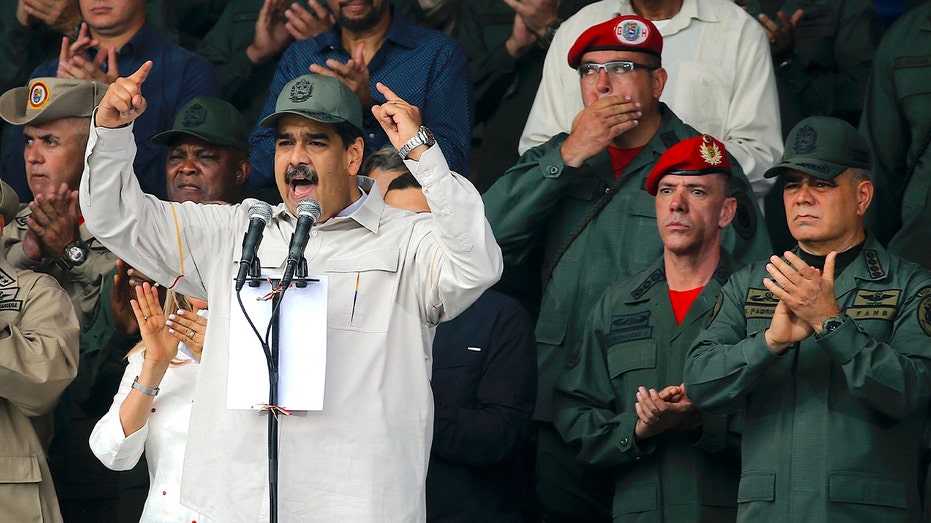
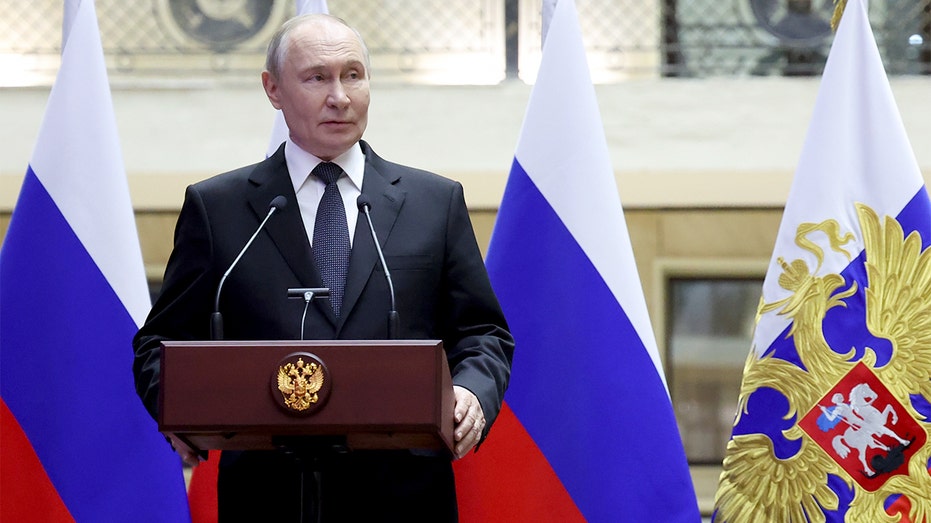
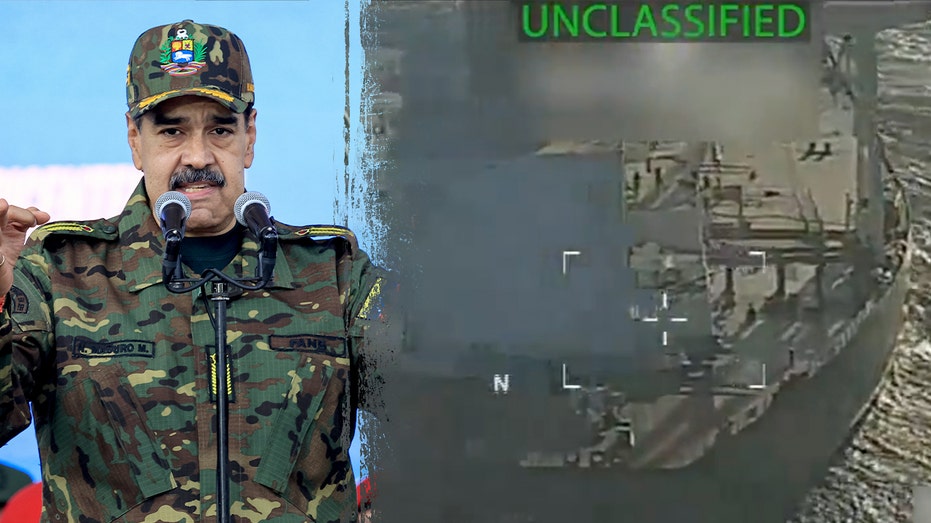
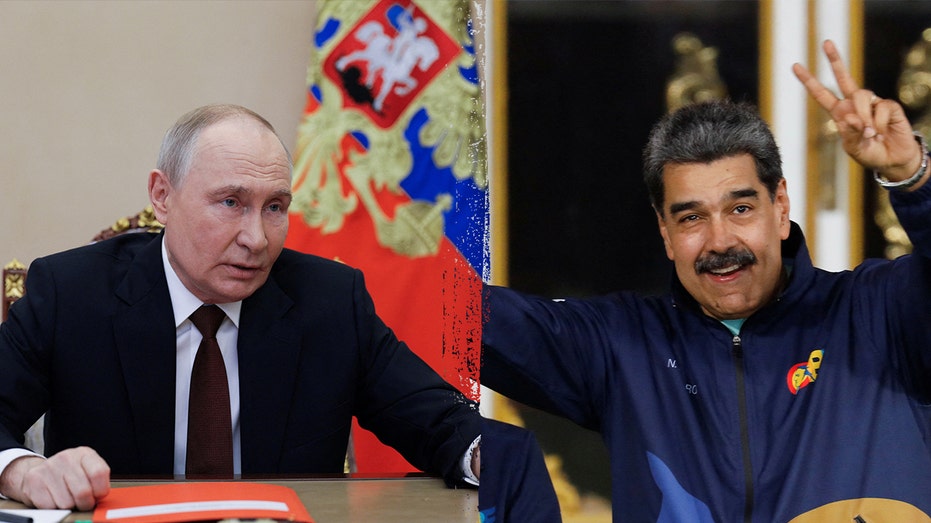
Vladimir Putin’s phone call backing Nicolás Maduro, coming just after the United States seized a massive Venezuelan oil tanker and signaled potential land operations, is not a routine diplomatic gesture. It’s a deliberate statement that Russia intends to contest U.S. leverage in the Western Hemisphere using a distressed petro‑state as both geopolitical outpost and financial asset.
To understand why this matters, you have to see Venezuela not just as a crisis‑ridden country, but as a node in three overlapping struggles: the long arc of U.S.–Latin America intervention, Russia’s search for leverage against U.S. power, and the global reconfiguration of the energy and sanctions landscape.
How Venezuela Became Russia’s Outpost in the Americas
Russia’s commitment to Venezuela is often framed as ideological solidarity with a leftist regime under U.S. pressure. In reality, it is a carefully layered mix of strategy, profit, and geopolitical signaling that began well before Maduro.
- The Chávez pivot (late 1990s–2013): As Hugo Chávez consolidated power, he sought to diversify away from U.S. dependence and invited Moscow in. Russia sold Venezuela an estimated $11–$12 billion in arms between 2005 and 2015, including Sukhoi fighter jets, air defense systems, and assault rifles. This turned Venezuela into one of Russia’s largest arms clients outside Asia.
- Oil-for-credit diplomacy: Russian state oil giant Rosneft became a lifeline to PDVSA, Venezuela’s state oil company, providing billions in loans backed by future oil deliveries and collateral in overseas assets, including stakes in key fields and even interests in U.S.-based CITGO. These deals gave Russia both repayment leverage and physical control over slices of Venezuela’s energy system.
- Sanctions-era convergence: As U.S. and EU sanctions hit Russia after the 2014 annexation of Crimea, Moscow increasingly saw sanctioned regimes as a parallel economic ecosystem. Venezuela, already drifting into isolation, fit neatly into a sanctions‑resistant network linking Russia, Iran, and others.
By the time Maduro faced intense U.S. pressure and a recognized opposition government in 2019, Russia had sunk billions into the country and gained something even more valuable: a strategic presence in the U.S. near‑abroad that Washington could not ignore.
Why Moscow Is Doubling Down Now
Putin’s reaffirmation of support for Maduro, just as Washington escalates seizures and hints at land operations, serves at least four Russian objectives:
- Counter-leverage against the U.S.
Russia has limited tools to push back on NATO expansion or Western sanctions, but it can create pressure points in regions historically sensitive to Washington. Keeping Maduro afloat allows Moscow to remind U.S. policymakers that pressure on Russia in Eastern Europe can be answered with complications in the Caribbean. - Protection of sunk costs and future upside.
Russian entities extended tens of billions of dollars in loans and investments tied to Venezuelan oil, often on terms that only pay off if Maduro survives and the oil continues to flow to Russian-controlled channels. Backing Maduro is partly a defensive economic play: regime change risks wiping out or restructuring those deals under a U.S.-aligned government. - Building a sanctions-resistant economic ecosystem.
Both Russia and Venezuela are under heavy Western sanctions. Joint projects—especially in energy and logistics—serve as test beds for alternative payment systems, barter arrangements, and opaque trading networks that can later be applied elsewhere. This is about more than Caracas; it’s about designing workarounds to the U.S.-centric financial system. - Signaling resolve to other partners.
By standing firmly with Maduro even as U.S. pressure intensifies, Moscow sends a message to other embattled partners—think Syria, Iran, or future clients—that Russian backing does not evaporate when costs rise. That reputational capital matters in a world where many governments distrust U.S. policy swings between administrations.
Washington’s Escalation: Sanctions, Seizures, and the Shadow of Intervention
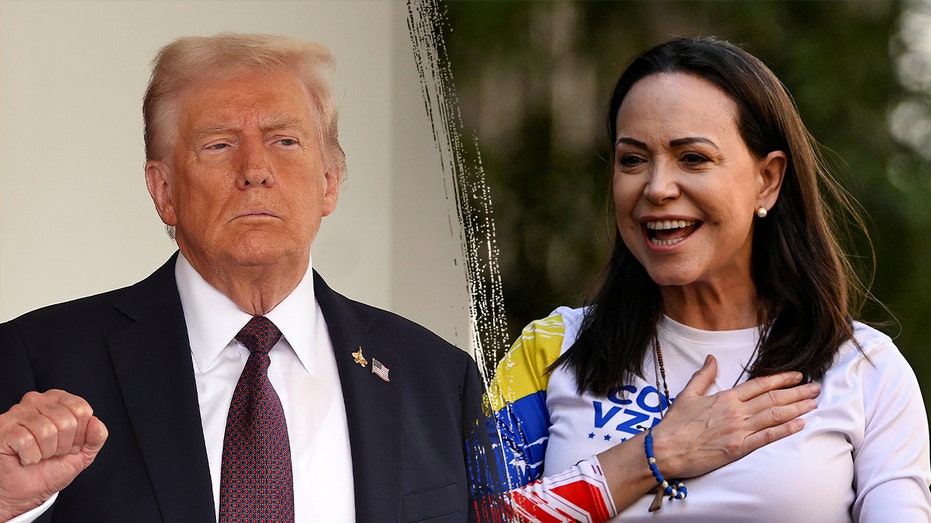
The tanker seizure and Trump’s comments about possible land operations must be seen in the context of a broader U.S. toolkit that has shifted over the past two decades from overt regime change to what some analysts call “maximum economic coercion plus plausible deniability.”
- Financial asphyxiation: Sanctions on PDVSA, debt markets, and oil trading channels have severely constrained Venezuela’s ability to monetize its crude. Crude oil production collapsed from roughly 2.3 million barrels per day in 2015 to under 1 million barrels per day at various points in the late 2010s and early 2020s, according to OPEC secondary sources.
- Maritime enforcement: The seizure of a “massive” tanker is part of an effort to enforce sanctions beyond U.S. territorial waters. Such actions blur the line between law enforcement and geopolitical signaling. They also carry legal and diplomatic risks, as targeted states routinely denounce them as “piracy” and sovereignty violations.
- Military signaling without full invasion: Increased U.S. military activity in the Caribbean and public hints of “land operations” create psychological pressure without the immediate political costs of a large-scale invasion. Historically, however, U.S. troop deployments or even hints thereof in Latin America carry deep regional memories—from the Dominican Republic in 1965 to Panama in 1989—that can backfire diplomatically.
What is often underreported is how this approach effectively internationalizes the Venezuela crisis: the more Washington relies on coercive sea power and extraterritorial sanctions, the more attractive it becomes for rivals like Russia to step in as counter‑balancers.
The Overlooked Dimension: Venezuela as a Test Case for Post-Dollar Energy Trade
Beneath the immediate headlines about tankers and phone calls lies a deeper question: who controls the future rules of energy trade for sanctioned producers?
Venezuela, with the world’s largest proven oil reserves but broken infrastructure, is an ideal laboratory for alternative models:
- Oil-for-debt and asset swaps: Russian entities have structured deals where debt repayment is tied directly to oil shipments or stakes in assets. As Western courts increasingly enforce sanctions, these hybrid structures may become a template for sanctioned states to keep exporting without touching dollar-clearing systems.
- Shadow fleets and gray-market logistics: To evade tracking and enforcement, sanctioned oil increasingly travels via “shadow fleets” of older tankers, with ship-to-ship transfers and flag-hopping registrations. Russian and Venezuelan exporters have both been implicated in these practices. Each successful shipment erodes the deterrent value of sanctions and normalizes a parallel trade ecosystem.
- Non-dollar settlements: While still limited, there has been experimentation with pricing and settling some shipments in euros, rubles, or even barter. If Russia can build a critical mass of such arrangements with multiple partners, it chips away at U.S. financial dominance over energy markets.
In that sense, Putin’s backing of Maduro is not just about propping up an ally—it’s about defending an emerging architecture for how sanctioned states survive.
Human Costs and Domestic Fragility: The Weak Foundation of a Strategic Alliance
What both Moscow and Washington often minimize in their rhetoric is the human and institutional collapse inside Venezuela itself.
- Economic implosion: Venezuela has experienced one of the worst peacetime economic collapses in modern history. Hyperinflation, GDP contraction estimated at over 70% from 2013 levels, and the effective breakdown of public services have hollowed out state capacity.
- Mass exodus: More than 7 million Venezuelans have fled the country in the last decade, according to UN agencies—comparable to major war‑time refugee crises. This diaspora reshapes politics not only in Venezuela but across Latin America and even U.S. domestic debates on migration.
- Security fragmentation: The Maduro government increasingly relies on a patchwork of military factions, paramilitary colectivos, and foreign security advisers. That fragmentation makes Venezuela both unpredictable and vulnerable to internal rupture if elite coalitions shift or external pressure triggers miscalculations.
This fragility cuts both ways for Russia. It gives Moscow leverage—Maduro has few other lifelines—but also raises the risk that a sudden political or institutional breakdown could strand Russian investments and expose Moscow as a patron of a failed state.
What a Miscalculation Could Look Like
Both the U.S. and Russia are playing a high‑risk game with limited visibility into the other’s red lines. Several scenarios are plausible if miscalculation occurs:
- Escalation at sea: A future confrontation involving Russian-flagged or Russian‑owned tankers carrying Venezuelan crude could turn an economic enforcement episode into a military or diplomatic crisis reminiscent of Cold War maritime standoffs.
- Fragmented regime change: If internal factions in Caracas move against Maduro, Moscow might try to salvage its interests by backing a successor faction, while Washington scrambles to support an opposition faction. That could turn Venezuela into a multi-sided proxy contest rather than a clean transition.
- Regional spillover: Intensified U.S. operations, combined with economic desperation in Venezuela, could push more migrants into neighboring countries already strained by inequality and political polarization, fueling unrest that external actors might exploit.
What to Watch Next
Beyond the daily headlines, several indicators will show whether this Russian bet on Maduro is stabilizing or becoming more dangerous:
- New Russian–Venezuelan energy deals: Watch for announcements about expanded joint ventures, debt restructurings, or infrastructure rehabilitation. Deepening Russian operational control over fields or ports would signal long-term entrenchment.
- Changes in U.S. enforcement posture: If Washington escalates from isolated tanker seizures to a more systematic campaign against Russian-linked vessels, insurance, or ports, the risk of direct confrontation rises sharply.
- Regional diplomatic alignments: Positions taken by Brazil, Colombia, and Mexico will matter. Stronger regional opposition to intervention makes overt U.S. military action less likely, while silence or fragmentation could embolden Washington.
- Movements in oil markets: Disruptions to Venezuelan shipments, even from a low production base, can have outsized psychological impacts on markets already jittery from other geopolitical shocks. Russia benefits from higher prices but faces blowback if instability spreads.
The Bottom Line
Putin’s decision to double down on Maduro as the U.S. tightens the screws is not about nostalgia for Cold War–style ideological battles. It’s about hard calculus: using a weakened ally in the Western Hemisphere to gain leverage over Washington, protect risky energy bets, and experiment with a post‑dollar sanctions‑resistant trading system.
For Venezuela’s population, this geopolitical tug‑of‑war offers little immediate relief. For the rest of the world, it is an early glimpse of how great‑power competition will increasingly revolve around distressed states, offshore tankers, and the plumbing of the global financial and energy systems—rather than just tanks at borders.
Topics
Editor's Comments
One underappreciated aspect of the Russia–Venezuela story is how much it illustrates the limits of sanctions as a stand-alone strategy. Policymakers often assume that tightening economic pressure will mechanically translate into regime collapse or negotiation. Venezuela—and Russia’s role there—shows a different dynamic: pressure can push a targeted government deeper into the arms of another great power, which then uses the situation to build alternative financial and commercial architectures. Rather than isolating a regime, sanctions can sometimes rewire its dependencies. The United States still holds massive structural advantages through the dollar, its navy, and its centrality in the global financial system. But every time a sanctioned state finds a way to ship oil, get paid, and survive outside that system, the long-term deterrent value of sanctions erodes a bit. The Venezuela case should provoke a harder conversation in Washington about when sanctions are a tactic—and when they become a catalyst for the very multipolar financial order U.S. strategists fear.
Like this article? Share it with your friends!
If you find this article interesting, feel free to share it with your friends!
Thank you for your support! Sharing is the greatest encouragement for us.