
Netanyahu’s Pardon Request: A Crossroads for Israeli Democracy and Judicial Independence

Sarah Johnson
December 3, 2025
Brief
A deep analysis of Netanyahu's unprecedented pardon request amidst his corruption trial, exploring its implications for Israeli democracy, judicial independence, and international influence amid rising political polarization.
Opening Analysis
The recent development of Israeli Prime Minister Benjamin Netanyahu formally requesting a presidential pardon, following a high-profile advocacy by former US President Donald Trump, marks a pivotal moment in Israeli politics and jurisprudence. This event not only underscores the deepening political polarization within Israel but also highlights the complex intersections between judicial independence, executive power, and international influence. Netanyahu's pardon request is much more than a legal maneuver—it is a touchstone reflecting broader struggles over the nation's democratic institutions and social cohesion amid an unprecedented corruption trial of a sitting leader.
The Bigger Picture
Israel has historically balanced a vibrant democracy with intense political rivalries. The ongoing corruption trial against Netanyahu—charged with bribery, fraud, and breach of trust—began in 2020 and is unprecedented as he is the first sitting Israeli prime minister to testify as a criminal defendant. This trial reflects a broader global trend of holding powerful leaders accountable, yet also exposes the fault lines within Israel's political culture.
Netanyahu’s decades-long dominance over Israeli politics has engendered fervent support and fierce opposition alike. His leadership has been marked by strong security policies, regional peace efforts, and significant political shifts. However, the charges against him and his framing of the trial as "political persecution" intensify a polarized environment where many see the judiciary as either a guardian of democracy or a politically weaponized entity.
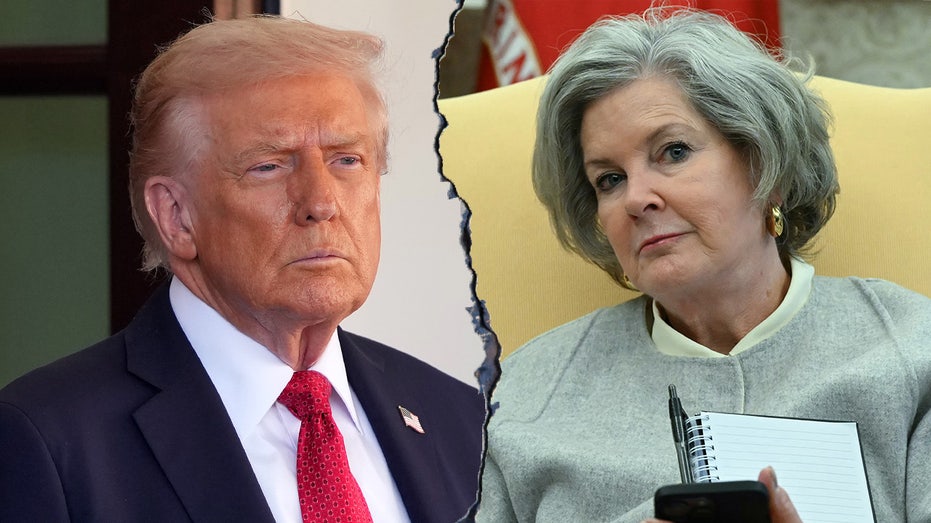
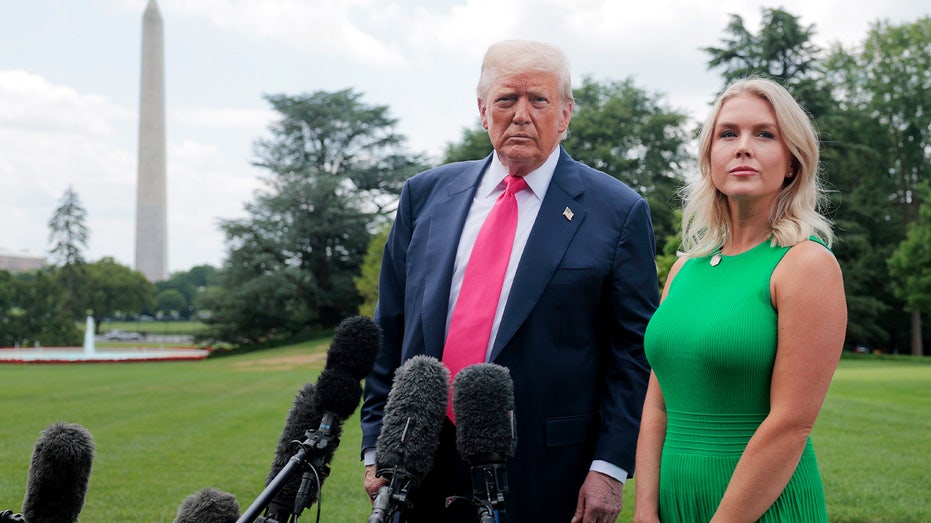
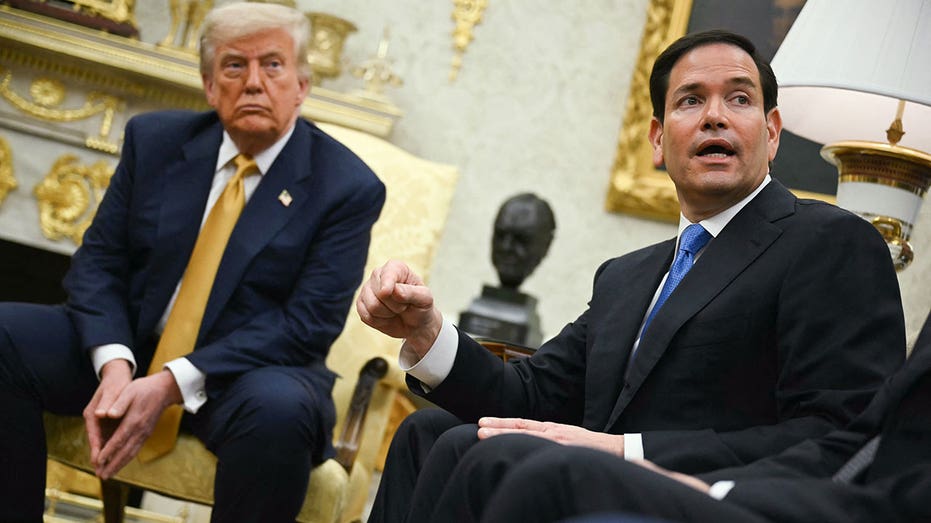
Donald Trump’s intervention—calling Netanyahu a "formidable and decisive leader" and framing the prosecution as unjustified—adds an international dimension to an intensely domestic legal battle. Trump's advocacy exemplifies persistent US-Israel political ties and illustrates how global actors can influence or attempt to influence national judicial processes.
What This Really Means
Netanyahu’s request for a pardon, justified on grounds of "reconciling the national rift" and "lowering the flames" of societal division, carries profound implications. A pardon could effectively halt the trial or mitigate consequences for Netanyahu, but at a potentially high institutional cost. It risks setting a precedent that political leaders can circumvent judicial accountability through executive clemency, thereby undermining the rule of law.
The timing and framing suggest this is as much a political maneuver as a legal one—Netanyahu aims to stabilize his fragile coalition government and shore up support amid an electrified public. If approved, the pardon may deepen existing divides between judicial institutions and political factions, eroding public trust.
Moreover, this episode reflects a broader crisis of governance facing many democracies globally, wherein judicial processes collide with populist leaders claiming victimhood or political targeting. Netanyahu’s stance also challenges norms of separation of powers and tests Israel’s young democratic maturity.
Expert Perspectives
Professor Ruth Gavison, a leading Israeli legal scholar, explains: "The implications of pardoning a sitting prime minister during an active corruption trial are extraordinary. It tests the resilience of Israel's legal system and raises questions about political interference."
David Makovsky, Senior Fellow at the Washington Institute for Near East Policy, notes: "Trump's involvement is a reminder of the intertwined nature of US-Israel political relations, particularly how external actors can influence internal affairs. This sets a delicate precedent for the autonomy of Israeli institutions."
Yael Stein, an Israeli political analyst, suggests: "The pardon request plays directly to Netanyahu's base, calming fears about political persecution but alienating those who see the judiciary as essential for curbing corruption and preserving democracy."
Data & Evidence
Public opinion polls conducted by the Israel Democracy Institute in 2025 revealed deep polarization: approximately 45% of Israelis viewed Netanyahu as unfairly targeted, while 47% supported judicial processes and opposed political interference. Political trust declined by 12% since the trial began.
Notably, Netanyahu's Likud party retains significant parliamentary influence but faces challenges holding coalitions stable amid internal fractures worsened by the trial.
Historically, presidential pardons in Israel are rare and mostly reserved for humanitarian reasons; their use in high-profile political contexts would represent a significant break from precedent.
Looking Ahead
The coming months will be critical. The Ministry of Justice’s Pardons Department will consult various authorities, after which President Herzog must weigh legal, political, and societal ramifications before deciding. A rejection could spark intensified political battles, protests, or attempts to further politicize the judiciary. Conversely, a pardon could provoke institutional crises, with risks of emboldening future officials to use executive power to avoid accountability.
Internationally, reactions from key allies and adversaries will be closely monitored. The incident may influence how foreign governments perceive Israel’s governance, especially amidst tense regional dynamics.
For Netanyahu personally, the pardon represents a crossroads in his political legacy—offering a path out of legal jeopardy but possibly relegating his tenure to controversy over democratic norms.
The Bottom Line
Benjamin Netanyahu’s pardon request crystallizes a profound crossroads for Israeli democracy. It reveals the challenging balance between justice, political stability, and executive authority amid intense national division. With significant legal, political, and societal stakes, the response to this request will resonate far beyond Netanyahu's trial, shaping the trajectory of Israel’s democratic institutions and international reputation for years to come.
Topics
Editor's Comments
Netanyahu’s pardon request is a fraught moment for Israeli democracy, serving as a litmus test for the strength and independence of its judiciary. Beyond the personalities involved, this episode captures the enduring struggle democracies face when judicial accountability collides with entrenched political power. The international spotlight, especially Trump’s intervention, underscores how domestic legal battles can swiftly transform into arenas of geopolitical leverage. Moving forward, it’s critical to observe how Israel’s institutions navigate the legal, political, and societal pressures without sacrificing core democratic norms. The implications extend well beyond Netanyahu’s fate and offer vital lessons for democracies worldwide confronting similar challenges.
Like this article? Share it with your friends!
If you find this article interesting, feel free to share it with your friends!
Thank you for your support! Sharing is the greatest encouragement for us.