Minnesota’s COVID Relief Fraud Scandal: A Deep Dive into Governance, Ethnic Politics, and Institutional Trust

Sarah Johnson
December 4, 2025
Brief
An in-depth analysis of Minnesota's COVID relief fraud scandal reveals systemic governance failures and the complex interplay of ethnic politics, emergency policy, and institutional trust.
Why Minnesota's COVID Relief Fraud Scandal Is a Mirror to Systemic Crises in Governance and Trust
The recent exposure of an alleged $1 billion COVID relief fraud network operating within Minnesota, alongside the political fallout involving Rep. Ilhan Omar and Governor Tim Walz, illuminates deeper structural and societal issues. At first glance, the story is about criminal abuse of emergency funds, but peeling back the layers reveals a nexus of rapid policy implementation, ethnic tensions, political scapegoating, and institutional weaknesses that challenge not only Minnesota but broader American governance frameworks.
The Bigger Picture: Historical and Social Context
The COVID-19 pandemic triggered unprecedented federal and state emergency response programs, including the Paycheck Protection Program (PPP) and other relief funds. The speed required to disburse billions in aid created vulnerabilities exploited by fraudsters nationwide. Minnesota’s Somali community, one of the largest in the U.S., has been spotlighted in this scandal due to indictments involving Somali nonprofits and individuals. Yet, this focus cannot be divorced from a long history of immigrant integration challenges, economic marginalization, and shifting political narratives.
Since the 1990s, Minnesota has been a major resettlement area for Somali refugees fleeing civil war. These communities, while vibrant and growing, face disproportionate barriers in employment and political representation. Rep. Ilhan Omar herself is a symbol of Somali-American political ascendancy but also has been a lightning rod for right-wing criticism and xenophobic rhetoric. The fraud probe touches on a fraught intersection of race, immigration, and social policy that politicians have weaponized, sometimes undermining genuine community advancement.
What This Really Means: Institutional Failures and Political Ramifications
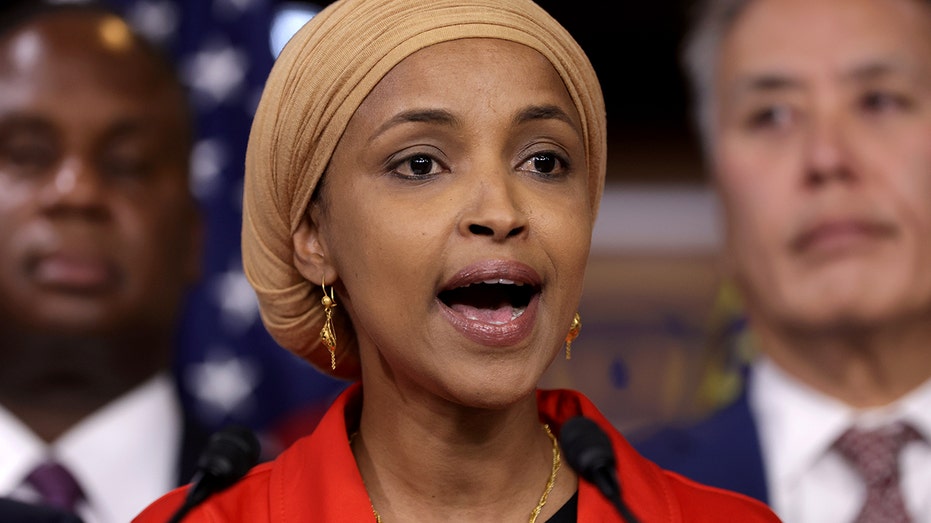
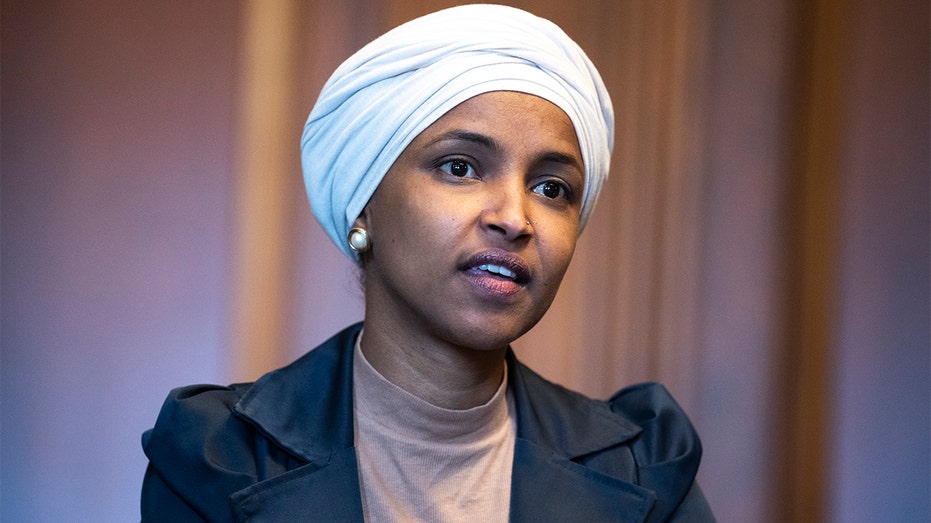
Rep. Omar’s admission that poor "guardrails" around fast-rolled-out COVID relief programs allowed fraud points to a critical systemic flaw: emergency measures designed for expediency compromised accountability. This paradox—between urgency and oversight—is not unique to Minnesota but is a cautionary tale for future crisis governance.
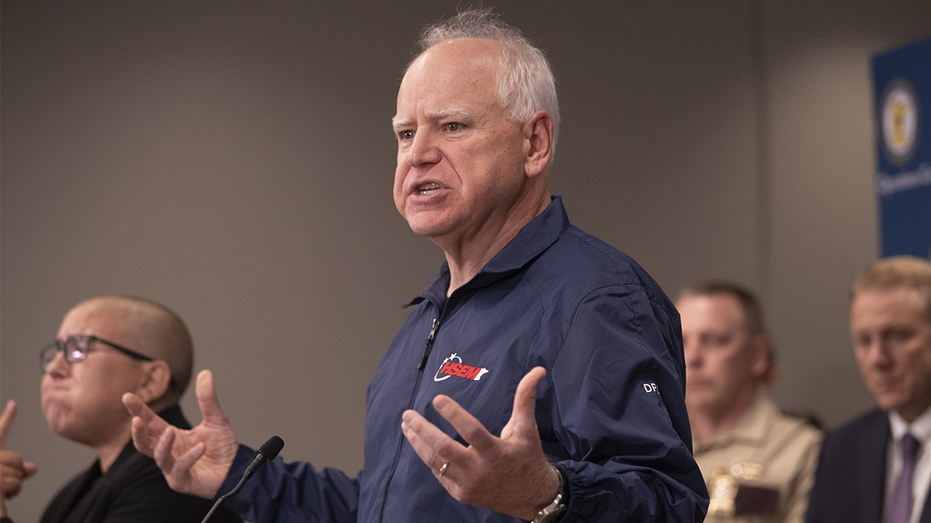
The federal SBA’s investigation highlights persistent issues in auditing and enforcing fund eligibility, especially where nonprofits and third-party facilitators are involved. Governor Walz’s administration has been accused of negligence and retaliation against whistleblowers who exposed the fraud, which if true, underscores a breakdown in transparency within state government.
Politically, the scandal feeds into a polarized media landscape. Former President Donald Trump’s inflammatory comments conflating a criminal network with an entire ethnic community and attacking Omar personally compound tensions and risk further marginalizing Minnesota’s Somali Americans. Omar’s response frames this rhetoric as an attempt to scapegoat to distract from broader policy failures, a dynamic often seen in populist politics.
Expert Perspectives
Dr. Hakeem Abdul-Samad, PhD, Political Scientist at the University of Minnesota: "The Minnesota fraud scandal is as much about governance challenges during crisis as it is about social integration. Emergency programs must balance speed with safeguards. There's a real risk when marginalized communities become political footballs because doing so distracts from addressing systemic underinvestment and inclusion."
Kelly Loeffler, Former SBA Administrator: "Our capacity to detect and dismantle fraud rings depends on close collaboration between federal agencies and state governments. When state actors obstruct investigations or retaliate against whistleblowers, it not only compromises funds meant for public good but shakes public trust in government."
Neha Agarwal, Immigration Policy Expert: "The Somali community’s portrayal in this story illustrates the precarious political position immigrant groups occupy. Negative stereotyping stemming from criminal probes can fuel xenophobia and policy backlash, which harm integration and economic resilience."
Data & Evidence: Scope and Patterns
- The Minnesota COVID fraud scheme has led to charges against dozens, mostly from Somali-led nonprofits and businesses.
- PPP loans, part of the $800 billion CARES Act, distributed over 11.8 million loans nationwide, saw an estimated fraud rate between 5-10% according to government audits.
- Minnesota's Somali population exceeds 40,000, with significant representation in small business and nonprofit sectors, which were primary recipients of relief funds.
- Transparency International and other watchdogs have documented a rise in fraud risk during emergency aid disbursements globally, correlating with rapid policy rollouts lacking sufficient oversight mechanisms.
Looking Ahead: Lessons and Broader Implications
The Minnesota case is a harbinger for future emergency aid administration. Policymakers must invest in stronger audit trails, real-time data analysis, and whistleblower protections to mitigate fraud risk without slowing assistance. Additionally, addressing the political fallout requires de-escalating ethnic and racialized rhetoric, promoting inclusive narratives reinforced by community engagement and fact-based discourse.
With Governor Walz being considered for national office, the scandal’s handling may influence perceptions of leadership competence and crisis management at higher political levels. Similarly, how Rep. Omar navigates the dual challenges of representing an ethnic minority and addressing legitimate policy questions about accountability could affect immigrant political participation nationally.
The Bottom Line
Above the surface, Minnesota’s COVID relief fraud investigation highlights an urgent need to reconcile rapid crisis responses with robust accountability frameworks. Below the surface, it reflects the complex interplay of marginalized immigrant communities, political polarization, and institutional weaknesses. Understanding this landscape is essential not only for Minnesota or the Somali diaspora but for shaping equitable and effective public policy in crisis and beyond.
Topics
Editor's Comments
Minnesota's COVID relief fraud scandal is more than a story of criminality; it exemplifies how crises can expose latent institutional fragilities and social fault lines. While emergency speed is imperative, this case underscores the risks when oversight is sacrificed—particularly in communities already vulnerable to political marginalization. The interplay between governance failures, ethnic politics, and national rhetoric raises difficult questions about accountability and inclusivity in American democracy. As this investigation unfolds, it will be crucial to resist simplistic narratives that reduce complex systemic issues to cultural or racial stereotypes. Instead, policymakers must frame solutions that strengthen transparency, protect minority communities from scapegoating, and restore faith in public institutions tasked with equitable crisis management.
Like this article? Share it with your friends!
If you find this article interesting, feel free to share it with your friends!
Thank you for your support! Sharing is the greatest encouragement for us.