Mandela Barnes’ Wisconsin Governor Run: Progressive Ambitions Meet Political Realities

Sarah Johnson
December 5, 2025
Brief
An expert analysis of Mandela Barnes’ Wisconsin governor bid reveals the complex interplay of progressive activism, electoral challenges, and broader ideological struggles shaping the state's political future.
Why Mandela Barnes’ Gubernatorial Bid Signals a Crucial Crossroads in Wisconsin Politics
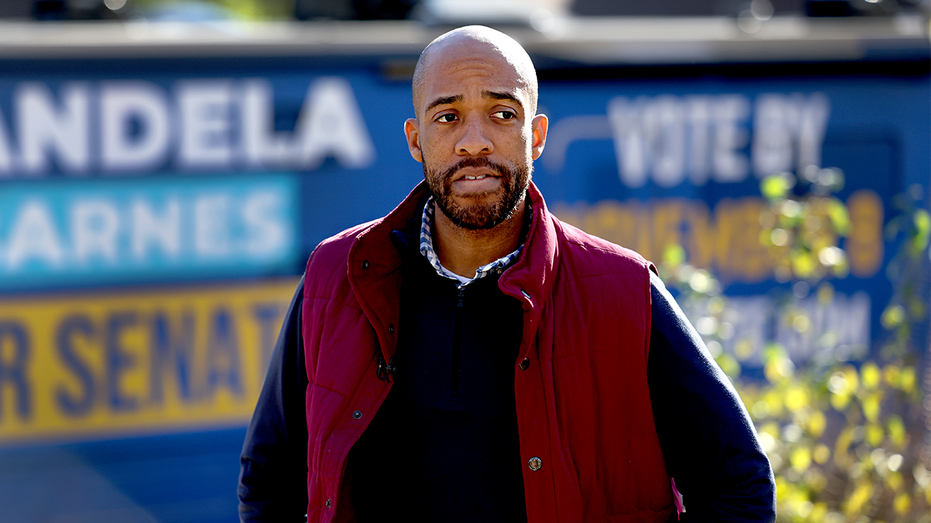
Mandela Barnes’ announcement to run for Wisconsin governor is more than just another state election update; it encapsulates the intensifying ideological divides shaping Midwestern politics and reflects the complex legacy of progressive activism confronting a more centrist electorate. As Barnes steps into a crowded Democratic primary with an unmistakable "far-left" label and national notoriety from his narrowly lost 2022 Senate race, his candidacy exposes persistent tensions about the direction of the Democratic Party in key battleground states.
The Bigger Picture: Historical and Political Context
Wisconsin’s political landscape has been a microcosm of broader national polarization for decades. Once a progressive stronghold in the early 20th century, the state saw decades of shifting allegiances culminating in a highly competitive environment today where Republicans and Democrats frequently exchange power. Tony Evers’ impending retirement opens a pivotal opportunity to redefine the trajectory of the Democratic brand in Wisconsin.
Barnes’ political rise is rooted in Milwaukee’s community organizing and statewide progressive movements, reflecting a post-Obama Democratic coalition that emphasizes racial justice, criminal justice reform, climate equity, and systemic change. The history of political activism in Wisconsin includes influential labor movements and civil rights advocacy, setting a foundation for Barnes’ agenda that resonates with urban and minority voters but faces skepticism from rural and suburban populations concerned about safety and economic stability.
What This Really Means: Implications Beyond the Ballot
Barnes’ campaign confronts the challenge of balancing progressive ideals with electability in a state with deeply entrenched conservative constituencies. His association with groups advocating for defunding police, sanctuary policies, and radical criminal justice reforms has been weaponized by Republican rivals to paint him as out-of-touch with Wisconsin voters’ mainstream concerns about safety and economic security.
Yet, Barnes’ call for reduced incarceration and transformative justice reflects a nationwide reckoning with systemic inequities and mass incarceration that disproportionately impact communities of color. His policy positions and past activism represent an attempt to shift the Democratic Party leftward on issues often sidelined, such as environmental justice and racial equity.
For the GOP, framing Barnes as a “far-left extremist” is a strategic move aimed to rally their base by tapping into anxieties about public safety and cultural change. This dynamic foreshadows a highly polarized general election showdown should Barnes secure the nomination, signaling intensified partisan battles in Wisconsin that could influence all future statewide races.
Expert Perspectives
Dr. Elaine Kamarck, Senior Fellow at the Brookings Institution: "Barnes embodies the modern progressive insurgency within state-level politics, which seeks not just electoral wins but systematic shifts. His challenge lies in recalibrating the party identity to appeal broadly without alienating core activists."
Dr. Marcus Jackson, Political Scientist specializing in Midwestern politics: "The backlash Barnes faces is less about personal flaws and more about Wisconsin’s political realignment. Rural and exurban voters remain cautious about progressive criminal justice reforms tied to public safety concerns—Barnes’ record must bridge that divide to win."
Data & Evidence: Patterns in Wisconsin’s Electorate
- In the 2022 Senate race, Barnes lost by less than 1%, highlighting a deeply divided electorate where mobilization of urban progressives nearly overcame a traditionally Republican statewide incumbent.
- Polling from Wisconsin shows growing urban-rural polarization, with Milwaukee and Madison leaning strongly Democratic, while upstate and suburban areas increasingly support conservative candidates.
- Criminal justice reforms, such as reducing incarceration, have strong support nationally among younger voters and racial minorities but remain divisive among older and more rural demographics in Wisconsin.
Looking Ahead: What to Watch
Barnes’ ability to unite the fragmented Democratic primary will be critical. He must navigate a field of rivals potentially appealing to moderates and centrists while crafting a statewide message that balances progressive ideals with pragmatic concerns about public safety and economic development.
The Republican response will likely continue leveraging Barnes’ left-wing associations to energize conservative voters, deepening partisan divides. Additionally, Barnes’ focus on climate justice aligns with emerging environmental priorities but will test resonance in Wisconsin’s diverse economy, balancing agricultural, industrial, and urban interests.
Monitoring fundraising patterns, grassroots mobilization, and polling shifts will reveal whether Barnes can transcend the "far-left" label to emerge as a consensus candidate who can appeal across Wisconsin's political spectrum.
The Bottom Line
Mandela Barnes’ gubernatorial campaign is more than a bid for office; it’s a litmus test for the evolving identity of the Democratic Party in battleground states. His progressive record and links to activist groups energize a base demanding systemic change but also provoke significant opposition within a state wary of rapid social transformation. How Barnes navigates these tensions will shape not only Wisconsin’s political future but offer insights into broader national strategies for Democrats confronting ideological divides.
Topics
Editor's Comments
Barnes’ gubernatorial campaign serves as a fascinating case study in balancing progressive activism with electoral pragmatism. His 2022 Senate campaign propelled him onto the national stage and mobilized a passionate base, yet the risks of being framed as ‘too radical’ in a politically diverse state remain substantial. One critical question moving forward is whether Barnes can evolve his messaging to address concerns around public safety without alienating his core supporters. Additionally, his campaign emphasizes the increasing salience of environmental justice—a relatively new but impactful dimension in Wisconsin politics. This race will not only define Wisconsin’s political course but could also act as a benchmark for progressive candidates navigating similar territory across the Midwest and beyond.
Like this article? Share it with your friends!
If you find this article interesting, feel free to share it with your friends!
Thank you for your support! Sharing is the greatest encouragement for us.