Maduro, Seized Tankers, and the Real Battle Over Venezuelan Oil

Sarah Johnson
December 12, 2025
Brief
Beyond Maduro’s threats and U.S. tanker seizure, this analysis unpacks the deeper struggle over Venezuelan oil, sanctions enforcement, and how siege politics sustain an embattled regime.
Maduro’s Sword, Seized Tankers, and the Long War Over Venezuelan Oil
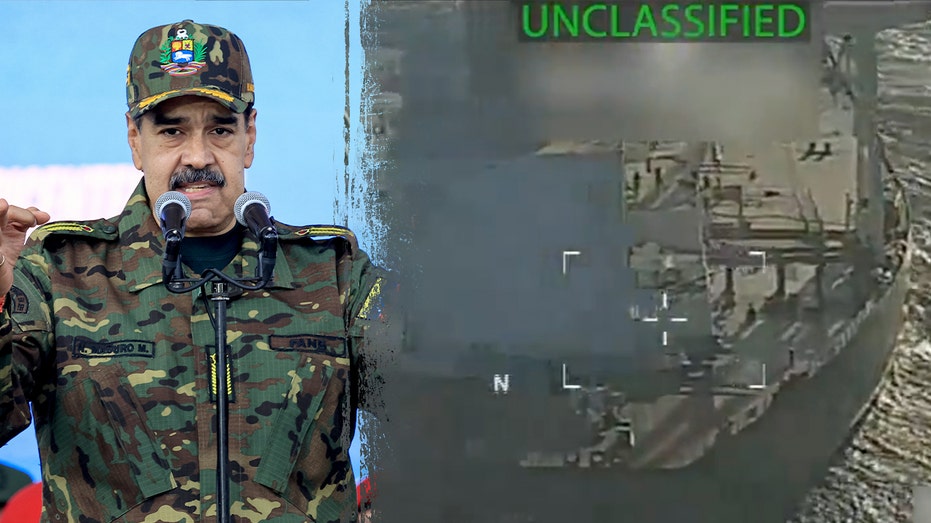
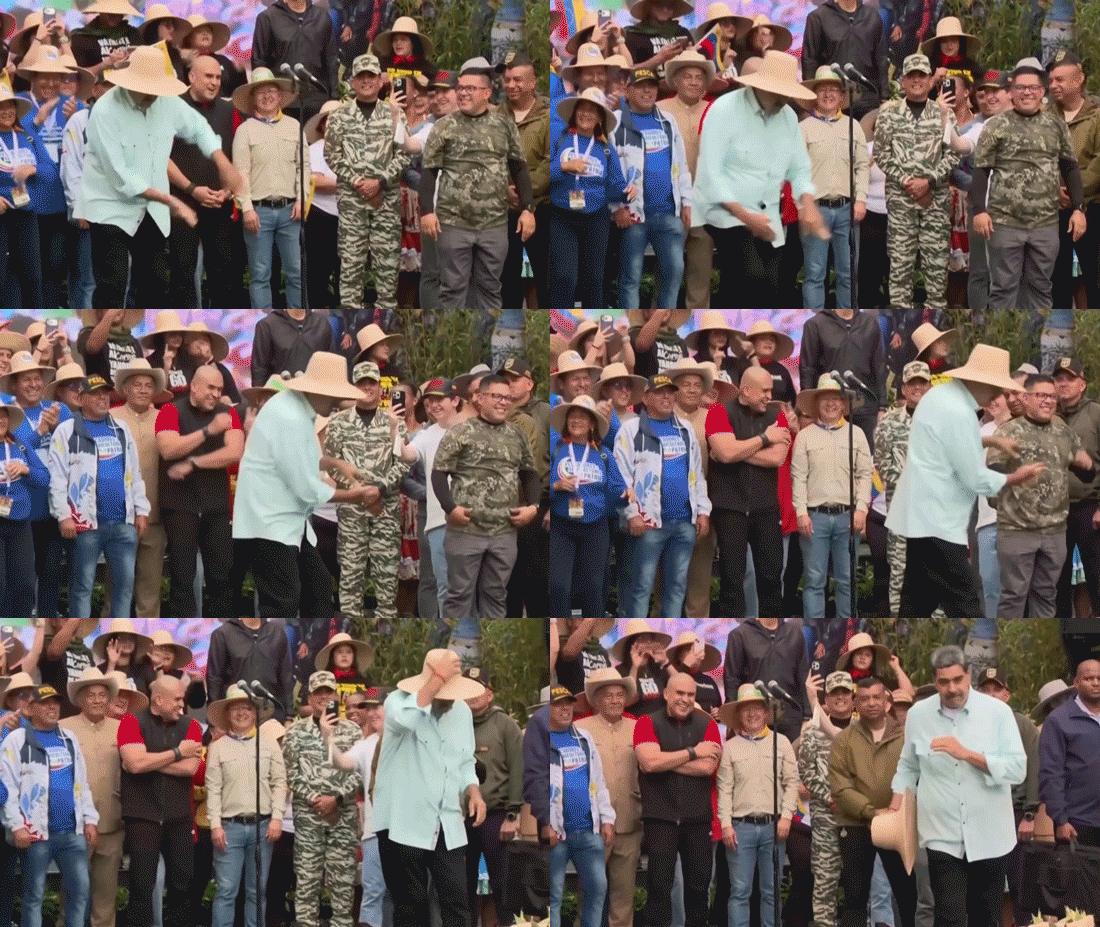
When Nicolás Maduro sings “Don’t Worry, Be Happy” while clutching Simón Bolívar’s sword and promising to “smash the teeth of the North American empire,” he isn’t just playing to the crowd. He’s codifying a narrative that has kept his embattled government alive for more than a decade: Venezuela as an anti-imperialist fortress besieged by Washington, with oil at the center of the struggle. The U.S. seizure of an oil tanker off Venezuela’s coast is the latest flashpoint in a conflict that is as much about narrative control, sanctions evasion, and regional power balance as it is about one ship.
To understand why this moment matters, we have to see it not as a discrete incident, but as the convergence of four deeper trends: the weaponization of energy, the normalization of extraterritorial sanctions enforcement, the militarization of the Caribbean, and the evolution of authoritarian survival strategies in the 21st century.
The long shadow of oil and empire
Venezuela’s leadership leans heavily on a historical script: foreign powers covet its oil, and only a revolutionary state can defend it. That script isn’t pure invention. Since the early 20th century, Venezuela’s political economy has been built around oil concessions and foreign companies. By the 1970s, when oil was nationalized and PDVSA created, control over hydrocarbons had become synonymous with sovereignty.
Hugo Chávez weaponized that history after 1999. He recast U.S.–Venezuela tensions as a battle between Bolivarian nationalism and Yankee imperialism, especially after the 2002 coup attempt in which Caracas has long alleged U.S. involvement. Maduro, who lacks Chávez’s charisma and faces a far deeper economic collapse, depends even more on that narrative to maintain cohesion among military elites and his political base.
That’s why the symbolism matters: the sword of Simón Bolívar, rallies framed as battles against “imperialist aggression,” and rhetoric about defending what “belongs to [Venezuelans] by historical and constitutional right.” This isn’t just populist theater; it’s a political survival strategy rooted in a century of resource nationalism and a genuine trauma around external control of oil.
Why the tanker seizure is a big deal
The U.S. seizure of an oil tanker allegedly transporting sanctioned Venezuelan and Iranian oil is, from Washington’s perspective, an enforcement action under its sanctions and counter-narcotics framework. From Caracas’s perspective, it’s piracy. Both narratives serve strategic purposes.
What makes this seizure important is not its novelty—similar actions against sanctioned Iranian cargoes have occurred since 2019—but its location and timing:
- Location: The operation near Venezuela reinforces the message that U.S. jurisdictional reach doesn’t stop at territorial waters. It signals to shipping companies, insurers, and middlemen that carrying Venezuelan crude—even under complex ownership structures—comes with real risk.
- Timing: The seizure coincides with stalled political talks in Oslo, mounting U.S. maritime operations targeting alleged drug trafficking, and renewed threats from Washington of possible troop deployments. For Maduro, it’s a perfect moment to claim that diplomatic channels are a façade for regime-change pressure.
For the global oil market, the direct supply impact of one tanker is minimal. The indirect effect is bigger: it raises the perceived risk premium of trading Venezuelan crude through shadow networks that have become critical to the regime’s survival.
Sanctions, shadow fleets, and survival economics
Venezuela has the world’s largest proven oil reserves, but its formal production has collapsed from around 2.5 million barrels per day a decade ago to well under a million in recent years, depending on the period and data source. U.S. sanctions—intensified in 2017–2019—helped lock PDVSA out of global capital markets, technology, and many formal buyers.
In response, Caracas has increasingly relied on:
- Opaque barter deals with allies like Iran, often exchanging heavy crude for gasoline, diluents, and basic goods.
- “Dark fleet” operations—ships that disable transponders, engage in ship-to-ship transfers, or obscure ownership through shell companies to move sanctioned oil.
- Discounted barrels sold through intermediaries, often at steep price cuts to compensate for sanctions risk.
The seized tanker is almost certainly part of that parallel ecosystem. Each high-profile interdiction increases uncertainty and cost for those networks. But sanctions also tend to concentrate profits among regime insiders and criminal intermediaries. That creates a paradox: enforcement may hurt the broader economy and ordinary Venezuelans while reinforcing the regime’s control over remaining revenue streams.
Maduro’s government is keenly aware of this dynamic, which is why its official statement frames the tanker seizure not just as theft, but as part of a long-term “plan to take Venezuelan oil without paying anything in return.” The comparison to the loss of Citgo—its U.S.-based refining and marketing arm—feeds a narrative of resource plunder via “fraudulent judicial mechanisms.” Whether that account is fully accurate is less important politically than its utility in justifying crackdowns and rallying support.
Militarizing the Caribbean: drugs, oil, and deterrence
The news story references months of U.S. maritime strikes targeting vessels allegedly used by drug traffickers across the Caribbean and eastern Pacific. Those operations, combined with high-visibility seizures like this tanker, are gradually transforming the region into a more militarized security zone.
Two overlapping frameworks are being blended here:
- Counter-narcotics operations, traditionally justified as combating transnational criminal organizations, especially from Colombia and Venezuela.
- Sanctions enforcement, targeting oil shipments tied to sanctioned states (Venezuela, Iran) and entities.
By rhetorically linking drug trafficking, corruption, and oil smuggling to “senior figures in Caracas,” Washington positions maritime action not just as law enforcement, but as part of a broader pressure campaign against Maduro’s inner circle. The statement that the U.S. has “not ruled out” sending troops to Venezuela further blurs the line between policing and potential military coercion.
For coastal communities in Venezuela and neighboring countries, Reuters reporting about dozens of people killed and heightened security crackdowns shows the local costs of this escalating contest at sea: more patrols, more raids, heightened suspicion of fishing and small commercial vessels, and increased vulnerability for civilians caught between state forces and criminal networks.
Maduro’s messaging: why the theatrics work
On the surface, Maduro’s performance—singing an American pop song while denouncing the “North American empire”—looks contradictory. In practice, it’s adept populist signaling. He’s telling supporters: we can appropriate U.S. culture while rejecting U.S. power. It’s a visual shorthand for a broader message: we’re under siege, but we’re not afraid.
The choice to invoke “warriors” with “one eye wide open—and the other one too” speaks directly to a population that has lived through hyperinflation, mass migration, shortages, and periodic street violence. In a context where the state struggles to deliver basic services, projecting vigilance and defiance becomes a substitute form of governance.
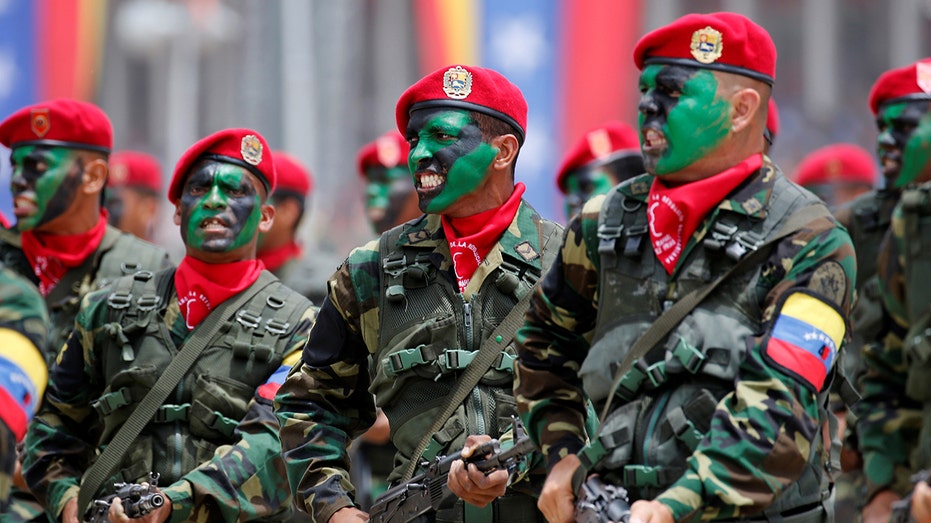
This is also aimed at the military. By framing everything—from tankers to drug raids to Oslo talks—as part of a grand imperial plot to steal oil, Maduro reinforces the idea that the armed forces are the last line of defense for the nation’s patrimony. That helps justify both internal security measures and the continued politicization of the officer corps.
What mainstream coverage often misses
Most reporting on episodes like this focuses on the immediate back-and-forth: Maduro’s inflammatory language, the U.S. legal justification for seizures, the latest sanctions move. Less attention is paid to three deeper shifts:
- The normalization of extraterritorial economic enforcement. The U.S. has increasingly treated the global maritime domain as an extension of its sanctions regime. Allies tolerate this in part because they fear secondary sanctions. Over time, this risks eroding norms around freedom of navigation and sets precedents other powers—China, for instance—may invoke to justify their own coercive economic enforcement.
- The convergence of criminal and state economies. In Venezuela, the line between state-controlled oil exports, corruption networks within PDVSA, and outright criminal organizations is blurry. Sanctions push more activity into gray or black markets, where intelligence services, military units, and cartels intersect. Tackling drug trafficking and illicit oil flows without inadvertently strengthening certain factions inside the regime is extremely difficult.
- The long-term social cost of “siege politics.” A government that defines itself against an external enemy can survive longer than its material performance would suggest. But it does so by systematically weakening institutions, polarizing society, and making any future transition harder. Every tanker seizure and every fiery speech becomes another brick in a narrative wall that future leaders will have to dismantle to rebuild trust.
Looking ahead: what to watch
Several indicators will reveal whether this incident marks an escalation or simply another chapter in a slow-burn confrontation:
- Shipping behavior: If more tankers turn off AIS transponders near Venezuelan waters, increase ship-to-ship transfers, or avoid the region altogether, it will signal that enforcement is changing risk calculations.
- Legal pushback in international forums: Caracas has vowed to take its complaints to “all available international bodies.” Watch for cases or resolutions at the International Maritime Organization, the International Court of Justice, or regional human rights bodies challenging the legality of such seizures.
- Internal Venezuelan politics: Any significant shift in elite defections, military reshuffles, or quiet technical talks with U.S. officials could indicate that behind the fiery rhetoric, both sides are exploring limited deals—perhaps on humanitarian exemptions or partial sanctions relief.
- Regional alignment: How countries like Brazil, Colombia, and Caribbean states react—whether they frame the seizure as legitimate enforcement or as overreach—will shape Venezuela’s diplomatic isolation or resilience.
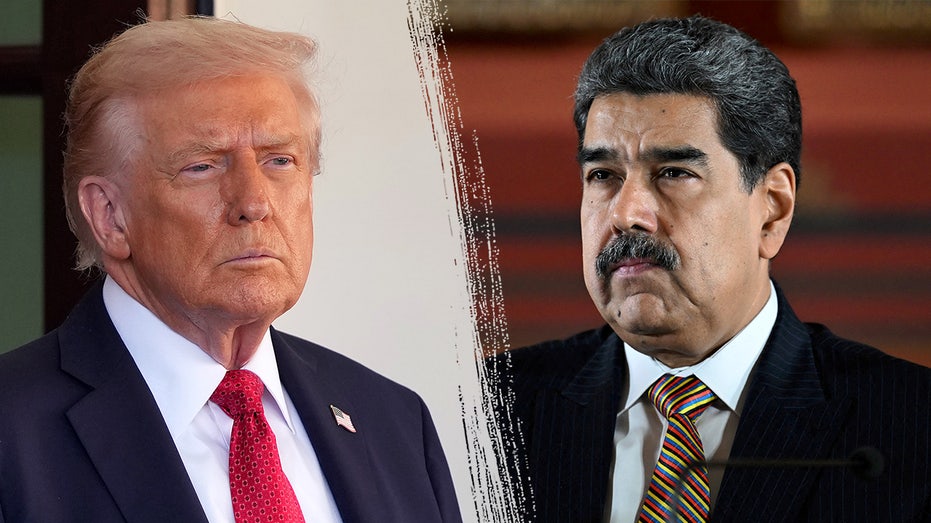
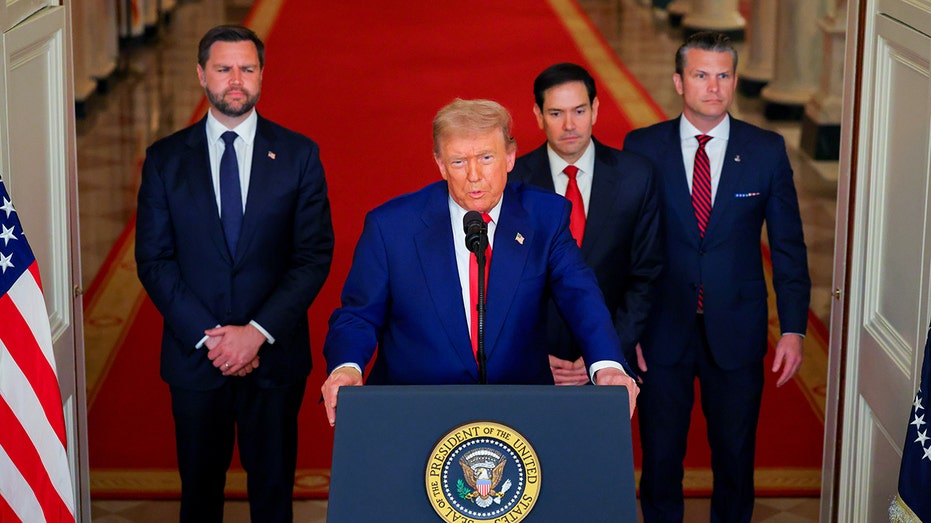
Trump’s simultaneous refusal to rule out troop deployments and openness to “conversations with Maduro” reflects another reality: Washington is keeping multiple options on the table, from coercive pressure to transactional negotiation. Historically, such dual signaling creates both leverage and instability. For Maduro, it’s another opportunity to cast himself as the besieged, yet indispensable, interlocutor.
The bottom line
Behind the dramatic images of Maduro brandishing Bolívar’s sword and promising to “smash the teeth” of the U.S. lies a more complex story. The tanker seizure is a tactical move in a broader strategic contest over who controls Venezuelan oil, how far U.S. sanctions can reach, and how long a resource-rich authoritarian regime can sustain itself on siege narratives, shadow trade, and geopolitical maneuvering.
For ordinary Venezuelans, the danger is that both the government and its foreign adversaries find political utility in confrontation. Each escalation shores up narratives on both sides, while the structural crisis—economic collapse, institutional decay, mass migration—deepens. The real measure of this episode’s significance won’t be found in Maduro’s rhetoric or U.S. press releases, but in whether it nudges the conflict toward some form of negotiated recalibration or entrenches a status quo in which tankers, not ballots, remain the key currency of power.
Topics
Editor's Comments
One crucial dimension that rarely surfaces in high-profile tanker seizures and fiery speeches is the silent recalibration happening among mid-tier actors: regional shipping companies, insurers, port authorities, and small Caribbean states caught between Washington’s sanctions regime and their own economic interests. These players often become de facto enforcers or spoilers. If insurers quietly decide Venezuelan calls are uninsurable, Caracas must lean more heavily on shadow fleets with poorer safety records, increasing environmental and safety risks. If a small island state allows a suspect transfer to proceed, it risks reputational and financial blowback. Yet these decisions are being made with limited transparency, often under intense bilateral pressure. Long term, this raises two under-discussed questions: How sustainable is a global system where one country’s domestic sanctions effectively dictate maritime risk calculations far beyond its borders? And what happens when other major powers with expanding blue-water navies decide to test or mirror this approach, invoking their own security doctrines to seize cargoes at sea? The Venezuela case may be less an anomaly than a preview of a more fragmented, coercive global trade environment.
Like this article? Share it with your friends!
If you find this article interesting, feel free to share it with your friends!
Thank you for your support! Sharing is the greatest encouragement for us.