
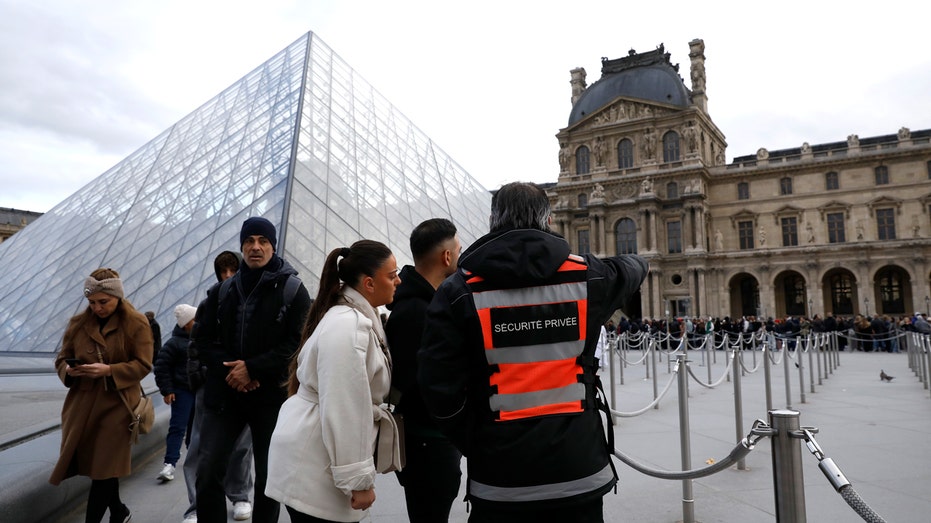
Louvre Heist in Broad Daylight: The Urgent Need for Holistic Museum Security in an Evolving Threat Landscape

Sarah Johnson
November 8, 2025
Brief
The Louvre daylight heist reveals severe security flaws, emphasizing urgent calls for museums worldwide to upgrade cybersecurity alongside physical defenses amid evolving art crime threats.
Opening Analysis
The recent daylight heist at the Louvre, one of the world’s most iconic and heavily visited cultural institutions, exposes alarming vulnerabilities in museum security protocols. This incident, set against a backdrop of longstanding issues and recent high-profile art thefts worldwide, underscores a broader question: Are global museums prepared to safeguard priceless cultural heritage in an era marked by technological complacency and increasingly brazen criminal tactics? The event not only exposes immediate security lapses but also signals a potential shift in art crime's sophistication and the necessity for a strategic overhaul of cultural property protection.
The Bigger Picture
Historically, art thefts have long served as a barometer of a society’s security consciousness and technological maturity. From the audacious Mona Lisa theft in 1911 to the unresolved Gardner Museum heist of 1990, museum security has often struggled to keep pace with evolving criminal methods. The Louvre, with its centuries-old reputation and modern security apparatus, was perceived as a bastion of cultural preservation; however, its recent breach suggests that even institutions indelibly associated with security and prestige are vulnerable.
Underlying this incident are systemic issues: chronic under-investment, outdated systems, and perhaps complacency stemming from the museum’s global renown. The leaked report citing "chronic under-investment in information systems" correlates with broader trends in cultural sector funding cuts, which persist despite the rising sophistication of art theft networks. Add to this the shockingly simple password "LOUVRE," revealing a troubling complacency regarding cybersecurity—an oversight that criminal syndicates can exploit with ease.
What This Really Means
This event signifies more than a costly theft; it illustrates a paradigm shift where physical security is no longer sufficient in isolation. Digital vulnerabilities, such as inadequate cybersecurity measures, open backdoors for criminals capable of coordinating breaches that directly threaten cultural assets. The theft of jewels worth over 88 million euros in broad daylight in a well-guarded museum demonstrates that traditional security measures—guards, cameras, fences—are increasingly ineffective against sophisticated, well-organized criminal groups.
Moreover, the apparent brazen attitude of the thieves points to a possible trend of art crime becoming more organized and even normalized within illicit global networks. The theft coincided with revealing lax security practices, such as weak passwords and possible gaps in surveillance coverage, which are often overlooked in routine security assessments. The event can be seen as a wake-up call for cultural institutions to rethink security as an integrated system that combines physical, digital, and procedural defenses.
Expert Perspectives
Security experts and art crime analysts stress that this incident exemplifies a dangerous complacency within cultural institutions. Dr. Maria Lopez, a cybersecurity specialist in cultural heritage protection, notes, "Museums have historically prioritized physical security, but now they must adopt comprehensive cybersecurity strategies that evolve with modern threats." In a connected world, data breaches and hacking are as impactful as physical thefts, if not more.
Art crime historian Dr. Robert H. Jones emphasizes, "The pattern of recent high-profile thefts reveals a transition from opportunistic thefts to carefully orchestrated operations, often linked to global illicit networks. These criminal groups are exploiting weaknesses in security infrastructure, which, if unaddressed, turn museums into easy targets."
Furthermore, industry insiders argue that preventative measures should include not only technological upgrades but also staff training, contingency planning, and international cooperation. The complexity of modern art thefts demands a multi-layered approach that goes beyond merely guarding the artwork to include proactive digital defenses and intelligence sharing across borders.
Data & Evidence
Statistics underscore the urgency: according to INTERPOL reports, the global art and antiquities market is valued at over $6 billion annually, with an increasing share stolen in targeted assaults on cultural institutions. An FBI study indicates that over 60% of museum security systems are at least five years outdated, with many vulnerable to hacking. Additionally, recent surveys show a 40% rise in reported art thefts in major cities over the past five years, linking the trend to both technological inadequacies and organized crime adaptation.
The collapse of old security paradigms is further evidenced by the 2024 theft at the Natural History Museum, where cutting tools and professional-grade equipment eliminated physical barriers swiftly. The common thread runs through these incidents: underfunded, outdated security technology and superficial procedural compliance.
Looking Ahead
The Louvre heist acts as a catalyst for a re-evaluation of cultural security worldwide. Expect increased investments in cybersecurity, biometric access controls, AI-powered surveillance, and real-time threat detection. International cooperation, such as sharing intelligence on art gangs, will become more critical. Notably, museums across the U.S. and Europe are likely to revisit their security policies, with digital security upgrades perhaps prioritized as highly as physical reinforcements.
Emerging trends may include the integration of blockchain technologies for provenance verification and secure transaction trails, making stolen art easier to trace and recover. The incident might also foster more public-private partnerships aimed at cybersecurity, which historically have been limited in this sector.
The Bottom Line
The Louvre daylight theft underscores a pressing truth: cultural institutions must evolve from their traditional security complacency into agile, holistic defense systems that integrate cutting-edge digital protection with physical security measures. As art thefts become more organized and technologically sophisticated, the global cultural community faces an imperative to adapt swiftly. Failure to do so risks losing irreplaceable treasures, not just financially, but as part of our collective human heritage.
Topics
Editor's Comments
This incident underscores an urgent shift required in how cultural institutions perceive and construct security. It’s no longer enough to rely on traditional barriers; comprehensive digital defenses and international cooperation are now critical. The broader societal implication is clear: as technology advances, so must our strategies for safeguarding human heritage. The potential loss is irreplaceable—not just financially, but culturally and historically. Recognizing these vulnerabilities early can trigger a transformative change, pushing museums worldwide to adopt smarter, more resilient security architectures. If not, the art world risks becoming a playground for organized, technologically savvy criminal networks.
Like this article? Share it with your friends!
If you find this article interesting, feel free to share it with your friends!
Thank you for your support! Sharing is the greatest encouragement for us.