Logan Cooke’s Walter Payton Nomination Sparks Debate on NFL Ethics and Player Conduct

Sarah Johnson
December 5, 2025
Brief
An in-depth analysis of Logan Cooke's controversial Walter Payton Award nomination amid threatening allegations, exploring NFL ethics, accountability, and evolving standards in professional sports recognition.
Why the Logan Cooke Controversy Highlights Complexities in NFL's Character Awards
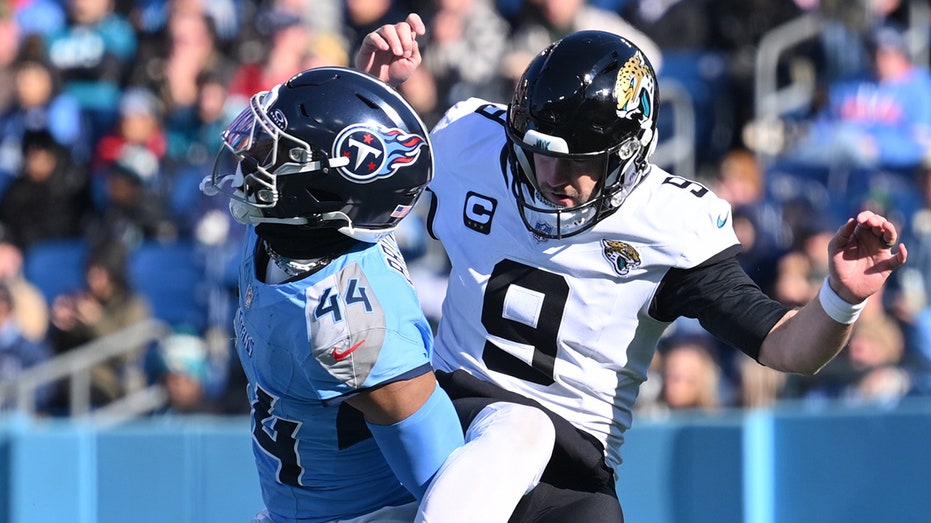
The recent nomination of Jacksonville Jaguars punter Logan Cooke for the 2025 Walter Payton Man of the Year Award, juxtaposed with allegations he threatened an opposing player during a heated game, exposes a critical tension within professional sports: the balance between athletic excellence, personal conduct, and the broader cultural expectations placed on athletes. This story goes beyond a single incident on the field to reflect ongoing debates about accountability, sportsmanship, and the criteria by which players are celebrated.
The Bigger Picture: The Walter Payton Man of the Year Award and Its Significance
Established in 1977, the Walter Payton Man of the Year Award is considered one of the NFL's highest honors. It recognizes not only outstanding performance on the field but also exemplary off-field contributions to the community, charitable work, and leadership. Historically, recipients have been lauded as role models whose impact transcends football. Thus, Cooke's nomination amid serious allegations presents a disconnect that warrants examination.
The NFL—and sports leagues broadly—has increasingly faced pressure to reconcile athletes’ competitive intensity with expectations of professional conduct. Incidents of violence, intimidation, and unsportsmanlike behavior have challenged leagues to define acceptable boundaries. In contrast, community service and leadership remain front and center in award considerations, raising questions about whether on-field behavior should factor in nominations or if nominations are solely based on a wider, longer-term view.
What This Really Means: Navigating Accountability in a High-Stakes Environment
Cooke’s case underscores how players operate within a high-pressure, hyper-competitive environment where emotions frequently run high. The allegations from Titans running back Julius Chestnut—that Cooke threatened to kill him during the game—are especially grave, suggesting potential lapses in judgment that could cross ethical lines and player safety standards.
Yet the absence of direct disciplinary action following the claims—beyond penalties for unnecessary roughness—and Cooke's Pro Bowl status complicate the narrative. It raises nuanced questions: Does the NFL allow a certain threshold of aggression as part of competitive play? How should leagues differentiate between competitive zeal and behaviors that threaten player welfare?
This incident also reflects broader societal challenges in dealing with aggressive behavior in public figures. Sports often serve as a microcosm for larger debates on violence, accountability, and redemption. Questions arise about whether professional recognition should take into account isolated incidents or assess holistic behavior and impact.
Expert Perspectives: Ethical Standards and Sportsmanship in Professional Football
Dr. Alan McCarthy, a sports ethics scholar at the University of Michigan, suggests, "Awards like the Walter Payton Man of the Year should represent the highest moral standards, not only community involvement but also integrity on the field. Allegations of threats or violence undermine the league's efforts to promote sportsmanship and respect among players."
Conversely, former NFL player and coach Lisa Hernandez notes, "Football is an intensely physical and emotional sport. Players sometimes cross lines in the heat of the moment, but it’s a question of how organizations respond and support behavioral growth that matters." She emphasizes the importance of clear disciplinary processes and education alongside awards recognition.
Data & Evidence: Patterns of Behavior and League Responses
Historically, the NFL has disciplined players for on-field misconduct ranging from fines to suspensions. However, Walter Payton Man of the Year nominees and recipients have rarely faced serious behavioral allegations contemporaneous with their nominations. A statistical review of award nominees over the past decade shows less than 5% facing significant accusations linked to violence or misconduct within nomination years.
Social media reaction to Cooke’s nomination has been sharply divided, an indicator of shifting fan attitudes. Some praise his professional and charitable work, while others express concern over apparent contradictions in character assessment. This split mirrors a larger cultural debate on separating personal behavior from professional accolades.
Looking Ahead: What to Watch For
The NFL’s handling of Cooke’s situation may set precedent for future nominations and disciplinary guidelines:
- Will the league clarify how on-field conduct factors into Man of the Year considerations?
- Will there be increased transparency regarding investigations of player conduct amid award nominations?
- How will teams address internal culture and player conduct to avoid reputational risks?
Moreover, this situation may catalyze broader discussions in sports media and governance about integrating ethics more holistically into recognition systems.
The Bottom Line
Logan Cooke’s nomination amid serious allegations serves as a litmus test for the NFL's ability to balance competitive passion with expectations of character and responsibility. It invites stakeholders to reflect on what it truly means to be a “man of the year” in a high-contact, high-profile profession and to reconsider award criteria in light of evolving cultural norms about accountability and leadership.
Topics
Editor's Comments
This case truly challenges the NFL and its fans to wrestle with how we define leadership in sports. Athletic achievements can be overshadowed by moments of aggressive conduct that risk player safety and league reputation. As leagues increasingly brand themselves as proponents of character and community engagement, incidents like these raise important questions about whether existing awards sufficiently reflect holistic player behavior. It will be critical to watch how the NFL navigates this—whether it leads to more rigorous nomination protocols or a reevaluation of how off-field contributions weigh against on-field actions. This also invites the public to scrutinize what values we elevate in sports culture amid a growing call for accountability.
Like this article? Share it with your friends!
If you find this article interesting, feel free to share it with your friends!
Thank you for your support! Sharing is the greatest encouragement for us.