Beyond Turf Wars: The NFL's New Scientific Approach to Player Safety via Enhanced Field Standards

Sarah Johnson
December 6, 2025
Brief
An in-depth analysis of the NFL's new enhanced playing surface standards, exploring player safety, scientific testing, and implications for injury prevention in professional football.
Why the NFL’s New Playing Surface Standards Signal a Major Shift in Player Safety Strategy
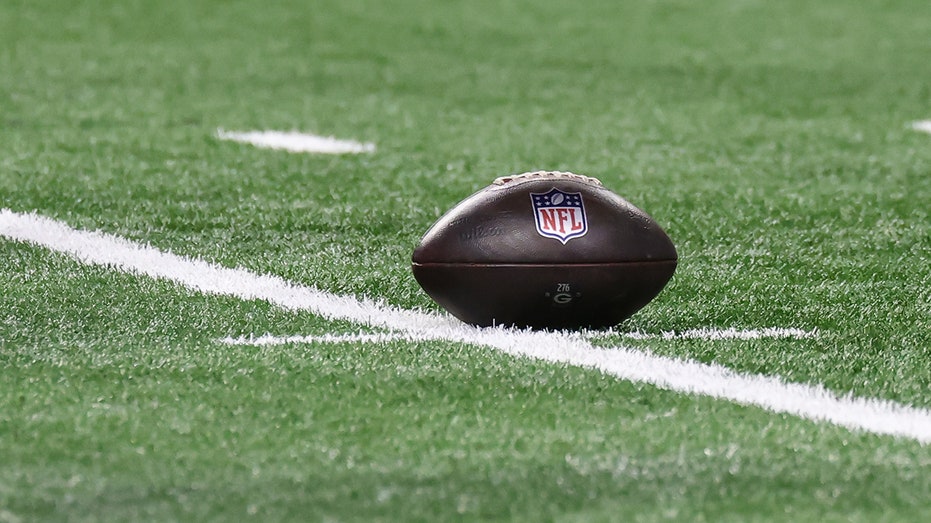
The NFL’s recent announcement to standardize and enhance playing surface conditions across all stadiums by 2028 marks a crucial moment in the league’s ongoing effort to prioritize player safety through evidence-based measures. This move, underpinned by a rigorous scientific testing protocol and close collaboration with the NFL Players Association, addresses long-simmering concerns about how the quality and type of field may contribute to injury risks in one of the world’s most physically demanding sports.
The Bigger Picture: Historical Context on NFL Playing Surfaces and Injury Concerns
For decades, debates over natural grass versus artificial turf have divided players, coaches, and experts. Natural grass has long been favored by many athletes for its softer impact and perceived lower injury rates, while synthetic turf has been praised for durability and consistency — particularly in climates less conducive to grass growth. However, this dichotomy is complicated by inconsistent field maintenance, varied turf technologies, and the physical demands of the NFL schedule.
Historically, player safety related to field surface has been a contentious issue. High-profile injuries on notoriously hard or uneven surfaces have fueled calls for change. Yet until recently, the league lacked a unified testing methodology to objectively assess and compare the safety profiles of different fields. Early turf versions from the 1970s and ’80s (like AstroTurf) had reputations for causing joint stress and abrasions, leading to cycles of innovation and replacement that only partially addressed safety concerns.
By institutionalizing a comprehensive, data-driven approach to field evaluation, the NFL is moving beyond anecdotal debates and traditional preferences to a more scientific footing. This attempt to balance playability, injury prevention, and player preference reflects broader shifts in professional sports toward evidence-based safety upgrades.
What This Really Means: Deeper Implications for Player Health and League Policy
The rollout of an approved “library” of fields by 2026, with mandatory compliance by all teams by 2028, intends to reduce variability in field conditions that can contribute to injury risk, performance inconsistency, and player frustration. The use of sophisticated tools—the BEAST device for traction testing and the STRIKE Impact Tester for measuring field firmness—represents a first for any major sports league in establishing standard metrics for field quality.
This is significant because inconsistent turf conditions can increase non-contact injuries from slips, falls, or abrupt changes in traction. By aiming for consistency season-long and stadium-wide, the NFL hopes to reduce lower extremity injuries which have long plagued players and shortened careers. The fact that both synthetic and natural fields will be subjected to the same standards highlights a pragmatic approach—endorsing neither type outright but demanding a threshold of safety and performance for all.
Moreover, Dr. Allen Sills’s remarks that no “statistically significant difference” exists between surface types in lower extremity injuries or concussions based on current data challenge entrenched assumptions. His caution against over-attributing injuries to surface alone acknowledges the complexity of injury mechanisms, including player workload, cleat choice, individual biomechanics, and other environmental factors.
Notably, the standards’ rollout in conjunction with the NFLPA’s involvement suggests a rare collaborative effort, striving for transparency and scientific rigor rather than unilateral policy. This collaboration could set a precedent for the league’s approach to future safety challenges.
Expert Perspectives: Insights From Field Safety and Sports Medicine Authorities
Dr. Wendi Weimar, a renowned sports medicine researcher, notes: “The NFL’s approach to quantify field properties through biomechanical testing is an important evolution. Measuring traction and impact in realistic ways helps identify conditions that elevate risks for ACL injuries and concussions, enabling targeted improvements.”
Similarly, Nick Pappas, the NFL field director, emphasizes the “red, yellow, green” classification system as a practical means to phase out fields that underperform before outright replacement, balancing cost constraints with safety objectives. Such graded assessment acknowledges that infrastructure upgrades must consider financial and logistical realities.
Meanwhile, former NFL linebacker and safety advocate Chris Draft points out: “Player perceptions have often driven the grass vs. turf debate, but this more nuanced, data-driven methodology can bridge gaps between player preference and actual injury risk, enhancing credibility and trust.”
Data & Evidence: Quantifying the Safety Equation
According to NFL injury databases, lower extremity injuries constitute a significant portion of game-day injuries, often linked to non-contact mechanisms influenced by playing surfaces. Studies have shown that poor traction can increase the likelihood of ligament injuries, while excessively hard fields elevate impact forces that contribute to concussions and joint trauma.
Yet the persistent variability of maintenance standards, weather impacts, and facilities’ investment capacity have historically skewed outcomes. The NFL’s new system’s lab-based testing promises objective data to override subjective assessments. The BEAST device replicates NFL-specific player movements to test slip and grip properties, and STRIKE Impact results provide quantifiable firmness scores, both crucial metrics tied to injury biomechanics.
Industry research suggests that a surface’s optimal performance window minimizes slip risk without increasing stress on joints, a nuanced balance this program aims to codify.
Looking Ahead: What to Watch for in the Next Several Years
The coming rollout will test NFL teams’ commitment to upgrading infrastructure amid competing budget priorities. It will be instructive to monitor how quickly less ideal surfaces are replaced or adjusted and whether injury rates show meaningful declines as the new standards become operational.
Fan experience may also be affected, as some stadiums shift turf suppliers or invest in hybrid grass systems. Positive player feedback will be critical for broad acceptance, potentially influencing youth and college leagues that look to the NFL as a standard-bearer.
From a regulatory perspective, this initiative could build momentum toward more granular standards around cleat design, practice workloads, and in-game conditions, recognizing the interplay with surfaces in injury prevention.
Finally, the approach highlights the NFL’s evolving prioritization of science and data as integral to safeguarding player longevity and the league’s reputational capital in an era increasingly focused on health and safety.
The Bottom Line: A Pragmatic, Science-Driven Step Forward
The NFL’s standardized playing surface program is not a panacea, but it represents an important and overdue recalibration of how the league addresses a complex and multifaceted contributor to player safety. By combining rigorous testing, player input, and collaborative oversight, the NFL is moving beyond entrenched turf debates and toward a more dynamic and measurable safety framework.
This initiative also underscores broader societal trends toward data-driven decisions in sports health and infrastructure, reflecting a maturation of how elite athletics balance tradition, innovation, and wellbeing.
For players, teams, and fans, the hope is that these enhanced field standards will translate into fewer injuries, more consistent playing conditions, and a safer football future.
Topics
Editor's Comments
The NFL’s initiative reflects both scientific progress and practical compromise. While the focus on measurable metrics for fields represents a major advance, it also underscores the complexity of injury prevention—no single fix, like choosing grass or turf, suffices. This program may serve as a model for other leagues by emphasizing collaboration and transparency through the NFLPA, but the real test will be the impact on injury rates and player trust once implemented. It invites broader questions about how infrastructure investments are prioritized amid competing pressures in professional sports.
Like this article? Share it with your friends!
If you find this article interesting, feel free to share it with your friends!
Thank you for your support! Sharing is the greatest encouragement for us.