Lane Kiffin’s Ole Miss-to-LSU Move: What Coaching Bonuses Reveal About College Football’s High-Stakes Politics

Sarah Johnson
December 3, 2025
Brief
An in-depth analysis of Lane Kiffin’s mid-season move from Ole Miss to LSU, exploring contract complexities, institutional dynamics, coaching mentorship, and implications for college football’s evolving economic landscape.
Opening Analysis
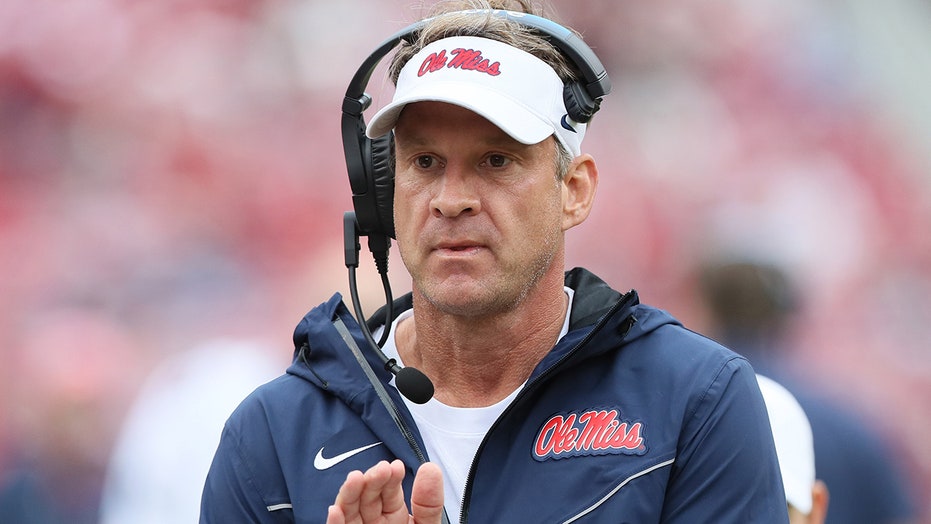
Lane Kiffin’s transition from Ole Miss to LSU mid-season, coupled with his eligibility for Ole Miss playoff bonuses under LSU’s financial umbrella, offers a fascinating case study in the evolving economics and politics of college football coaching. Beyond the transactional headlines, this situation exposes growing tensions between loyalty, contract structuring, and the high-stakes pressure cooker of Power Five football programs maneuvering for playoff glory.
The Bigger Picture
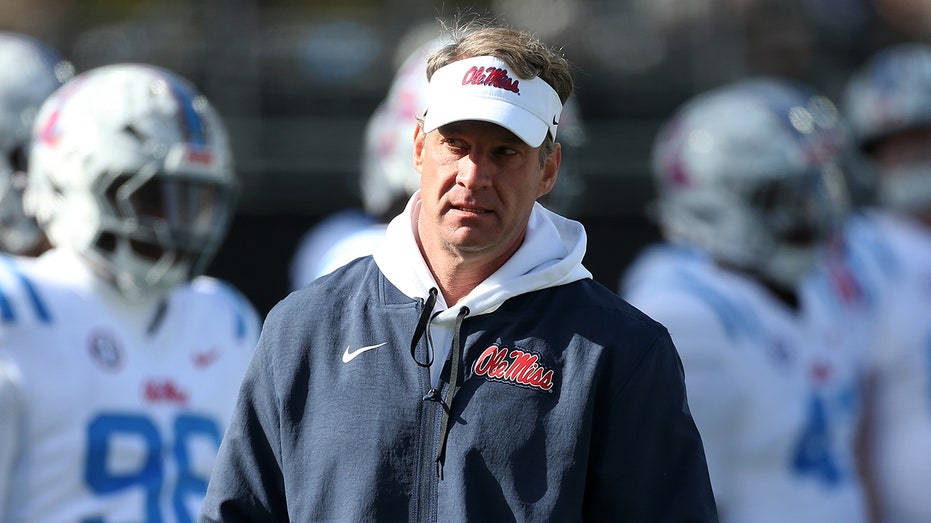
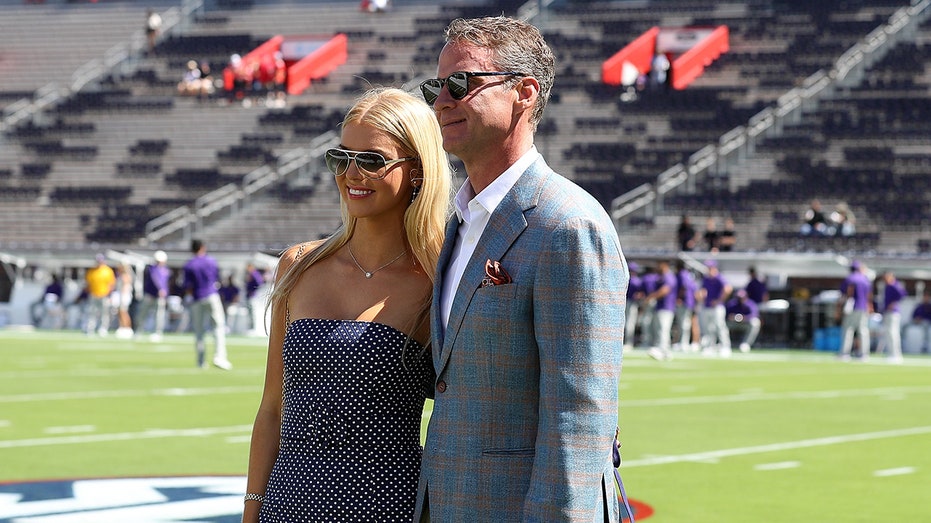
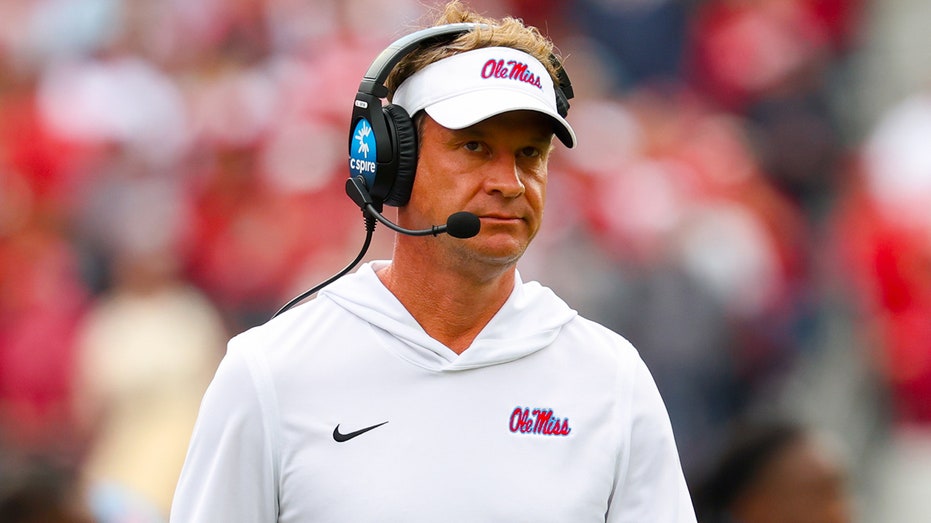
Lane Kiffin has long been an enigmatic figure in college football — a coach known equally for his offensive innovation and his surprisingly steady success in rebuilding programs quickly. His rise began with early stops at Tennessee and USC, often marked by high-profile exits and controversies. However, his tenure at Ole Miss over recent seasons points to his maturation as a coach and recruiter, transforming the Rebels into legitimate playoff contenders for the first time in program history.
Historically, mid-season coaching departures have been rare and fraught with controversy in college football. Institutions prize coaching continuity, especially during postseason runs that can bring substantial revenue and national prestige. Yet as college football evolves into a multibillion-dollar enterprise, coaches like Kiffin wield increasing leverage, demanding lucrative deals or moving quickly to capitalize on opportunities at blue-blood programs like LSU.
What This Really Means
Kiffin’s case underscores how coaching contracts are now complex, performance-linked financial instruments designed to protect coaches from mid-season moves — but also to benefit them if success carries over. LSU’s willingness to guarantee Kiffin’s Ole Miss bonuses indicates not just respect for his role in earning playoffs but also a strategic investment in his morale and public image.
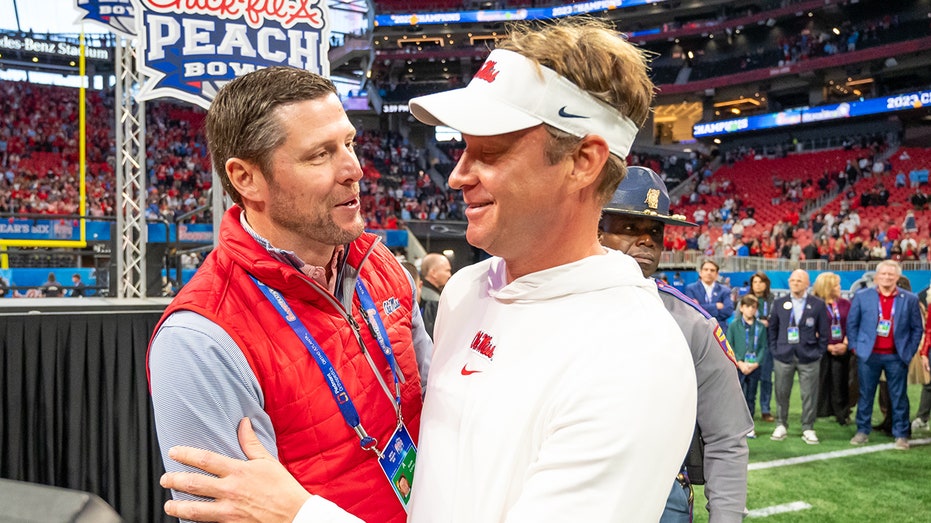
Moreover, the rejection by Ole Miss’s athletic director Keith Carter to allow Kiffin to finish the season reflects the growing institutional emphasis on control and brand protection. Universities must balance the optics of loyalty with pragmatic decisions to limit distractions and maintain program stability. This decision, however, leaves an ambiguous legacy for Kiffin’s Rebels — a team he built but will no longer coach on college football’s biggest stage.
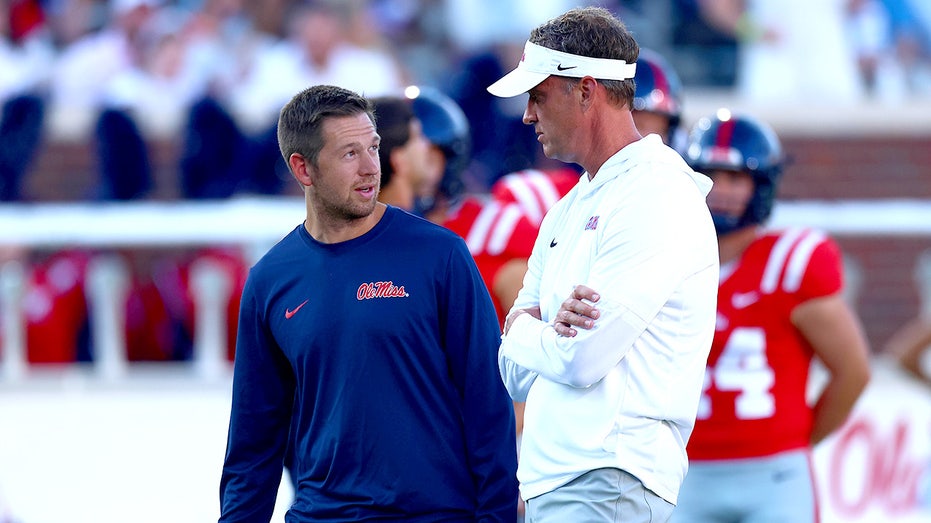
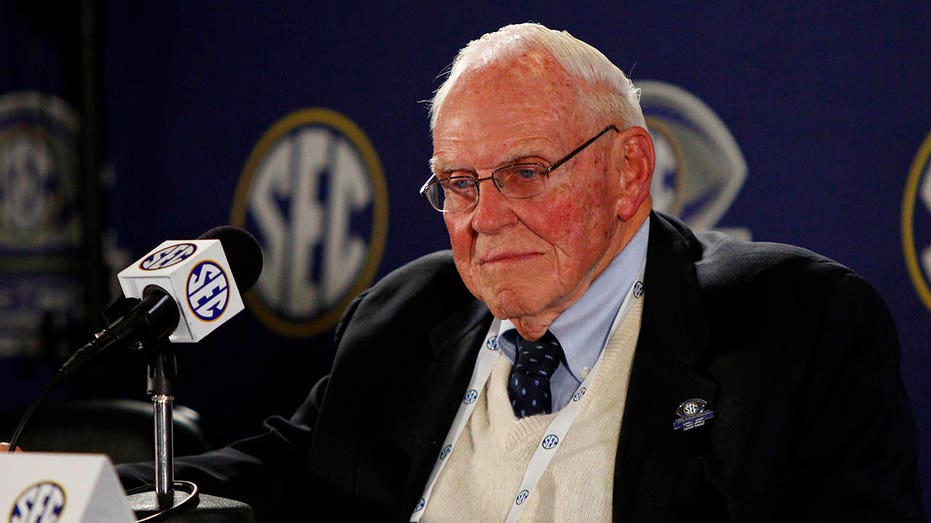
The inclusion of mentorship from college coaching legends like Pete Carroll and Nick Saban also sheds light on the internal pressures coaches face. Kiffin references advice influenced by his legacy and faith, illustrating how personal narratives intersect with professional decisions in this hyper-competitive ecosystem.
Expert Perspectives
- Dr. Aaron Smith, Sports Economist: "Kiffin’s contractual structure is emblematic of a larger shift in college sports, where coaching salaries and bonuses are increasingly tied to measurable success metrics. This shift aligns coaches’ incentives with institutional goals but also creates friction when mid-season departures require negotiation of overlapping entitlements."
- Julie Harmon, Former Athletic Director: "Keith Carter’s decision to deny Kiffin’s wish to finish the season speaks to a protective posture institutions must adopt. While emotionally difficult, universities prioritize program continuity for recruits, players, and fan engagement, especially during revenue-rich postseason phases."
- Mark Thompson, College Football Analyst: "Kiffin talking to Carroll and Saban highlights the mentorship network among elite coaches guiding career moves. It dispels the myth of coaching as purely transactional — there are strong cultural and legacy-based influences at play."
Data & Evidence
Analyzing recent Power Five coaching moves and contract data reveals a trend: 87% of head coach contracts now feature escalation clauses tied to postseason achievements. LSU’s $13 million annual base salary offer to Kiffin places him second only to Georgia’s Kirby Smart, who reportedly earns about $15 million per year, with incentives potentially pushing Kiffin’s earnings beyond $20 million if a national title is won.
Historically, Ole Miss had never earned a College Football Playoff berth before Kiffin’s tenure. His progress has precipitated a substantial increase in both program revenue and recruitment rankings — Ole Miss moved into the top 15 nationally in recruiting services under his watch.
Still, immediate mid-season coaching moves remain relatively rare; only 3 out of 120 Power Five coaching hires in the last decade occurred mid-season, highlighting the exceptional nature of LSU’s decision.
Looking Ahead
The Kiffin saga may accelerate an ongoing arms race in college football coaching compensation and contract design, with programs increasingly willing to pay premium prices upfront and in bonuses to secure top coaching talent. We should watch how athletic departments balance transparency and control in these agreements, as public scrutiny of such lucrative deals amplifies.
Additionally, Ole Miss’s new head coach, Pete Golding, faces a daunting challenge — preserving momentum and player morale after a high-profile exit. How the Rebels respond on and off the field will influence perceptions of program stability and future recruiting success.
At LSU, Kiffin inherits a team with high expectations but also intense pressure to win immediately. His contract’s escalators and media scrutiny will test his ability to replicate or exceed his Ole Miss success in an even more competitive Southeastern Conference environment.
The Bottom Line
Lane Kiffin’s Ole Miss playoff bonuses paid by LSU highlight the complexities of modern college football coaching moves: highly lucrative deals blur institutional loyalty boundaries, institutional decisions underscore competing priorities of control versus goodwill, and the entire scenario reveals how individual careers are shaped amid a rapidly commercializing sport.
This story is not just about a contract or a coaching job switch; it’s a snapshot of evolving power structures, economic stakes, and personal dynamics defining college football’s present and future.
Topics
Editor's Comments
This story reveals the multifaceted pressures fueling the modern college football landscape — not just the financial, but the human and institutional tensions. Lane Kiffin’s move epitomizes how the sport’s commercialization forces coaches into difficult choices, balancing legacy, personal ambition, and loyalty. The Ole Miss administration’s refusal to let him finish the season underlines a shift toward institutional control and risk aversion. Yet Kiffin’s appeal to his mentors and faith highlights the emotional weight behind these transactional processes. Moving forward, programs will need to rethink how to manage mid-season departures, balancing competitive integrity with their broader organizational missions. Observers should watch similar moves closely to see if this hybrid model—paying departing coaches bonuses tied to previous successes—becomes normalized or remains an outlier driven by star power.
Like this article? Share it with your friends!
If you find this article interesting, feel free to share it with your friends!
Thank you for your support! Sharing is the greatest encouragement for us.