Lane Kiffin’s Move to LSU: How Family and Culture Are Reshaping SEC Football Coaching Dynamics

Sarah Johnson
December 5, 2025
Brief
A deep dive into Lane Kiffin’s LSU move revealing how family dynamics, institutional ambitions, and evolving college football culture reshape the coaching carousel in the SEC.
Why Lane Kiffin’s Move from Ole Miss to LSU Signals More Than Just a Coaching Change
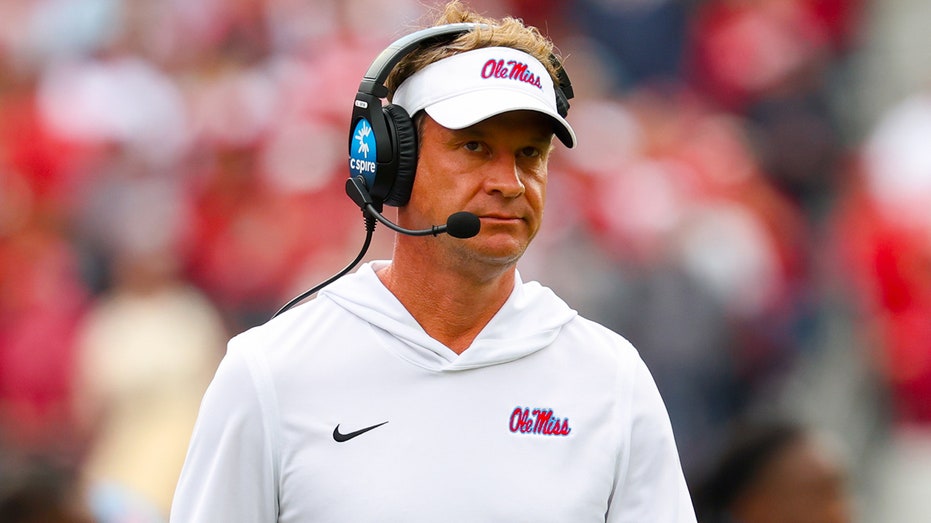
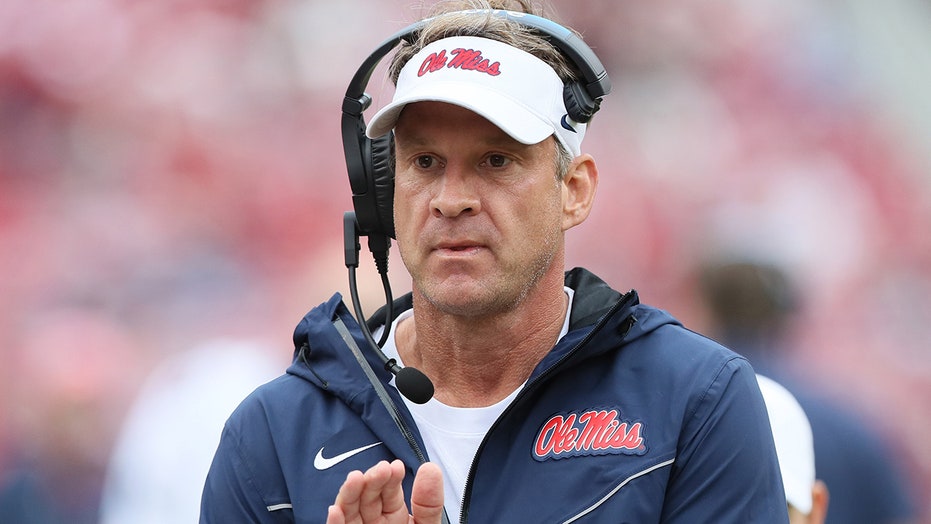
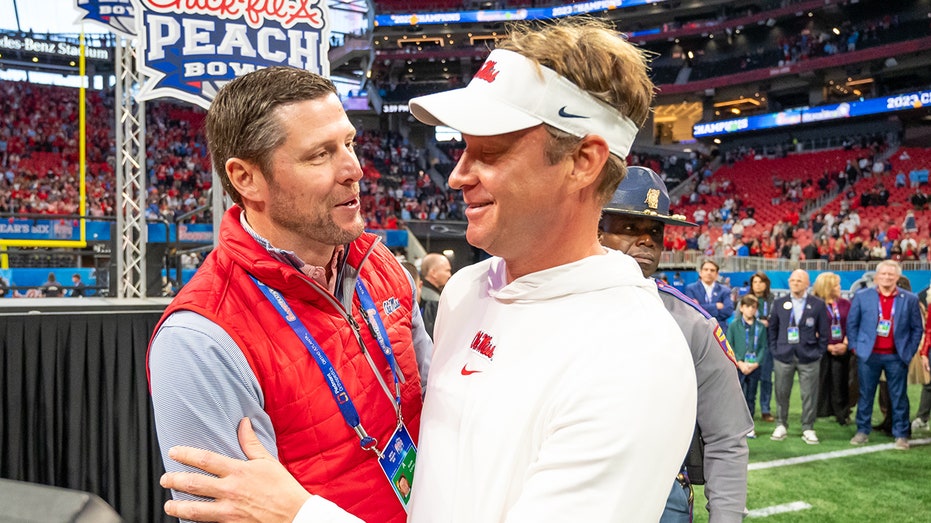
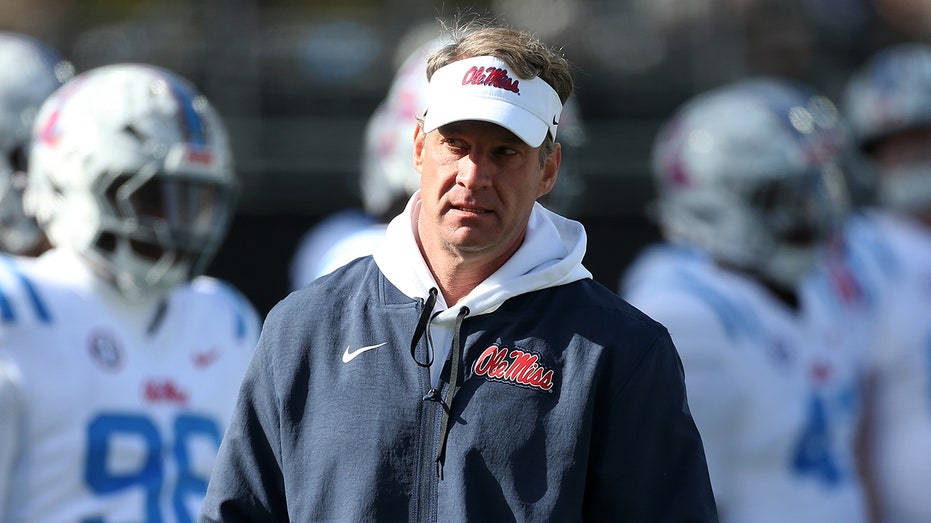
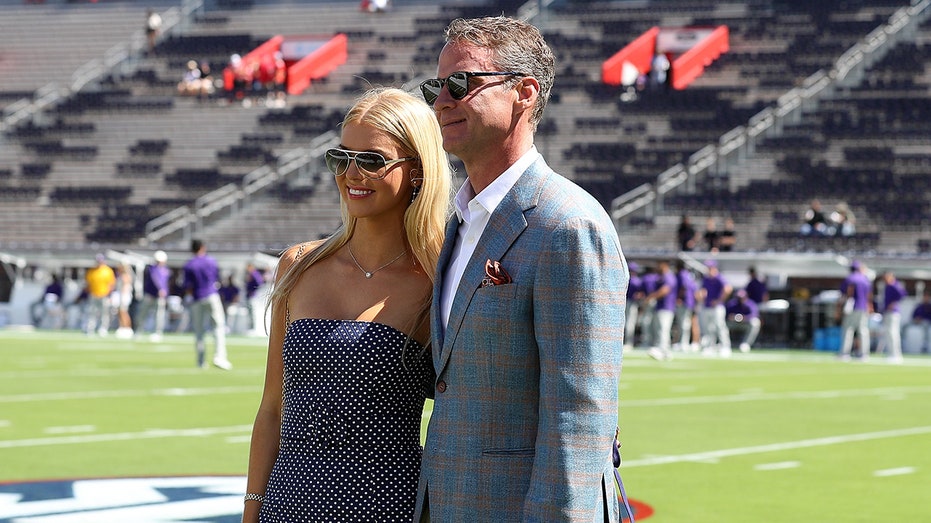
The recent coaching shuffle in college football, culminating in Lane Kiffin’s departure from Ole Miss to take the helm at LSU, transcends the typical narrative of program paychecks and sideline drama. Behind the headlines and the social media buzz lies a multilayered story touching on legacy, family dynamics, institutional ambitions, and the evolving landscape of college athletics governance. The personal glimpses provided by Kiffin’s daughter, Landry, documenting the family’s transition and relationship ties, offer a rare window into how intertwined personal and professional spheres have become in the high-stakes ecosystem of SEC football.
The Bigger Picture: Historical and Institutional Context
Lane Kiffin’s career has always hovered at the intersection of promise and controversy—from his early days as the youngest major college head coach to stints at USC, Tennessee, and now Ole Miss and LSU. His ability to navigate—or sometimes ignite—locker room tension is almost as well known as his offensive acumen.
Ole Miss and LSU represent two powerhouse programs in the Southeastern Conference, a league that has relentlessly pushed the boundaries of college football’s commercialization and branding in recent decades. LSU, fresh off national title success earlier in the decade, has recalibrated its approach after coaching instability, seeking a blend of experienced leadership and star power to maintain its elite stature. Kiffin’s move signals LSU’s aggressive approach to compete in recruiting and media attention, leveraging his high-profile track record despite the risks involved with his polarizing reputation.
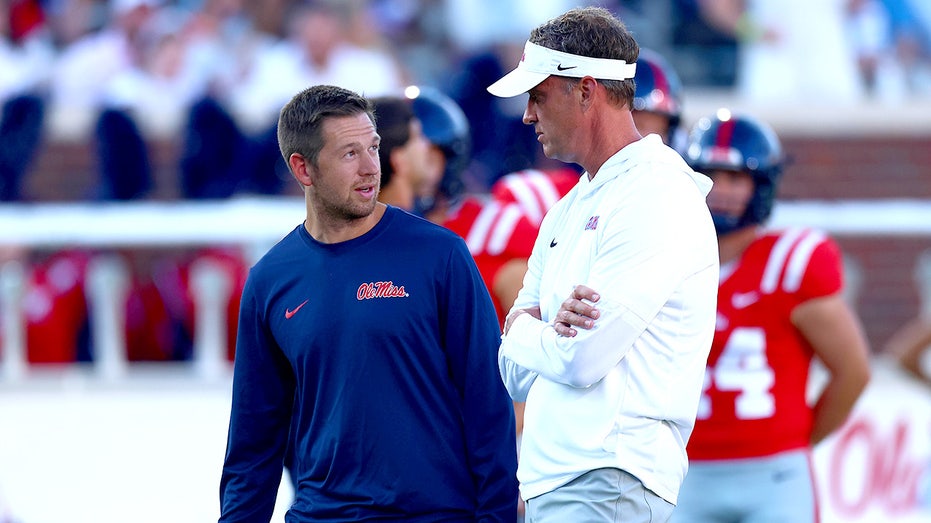
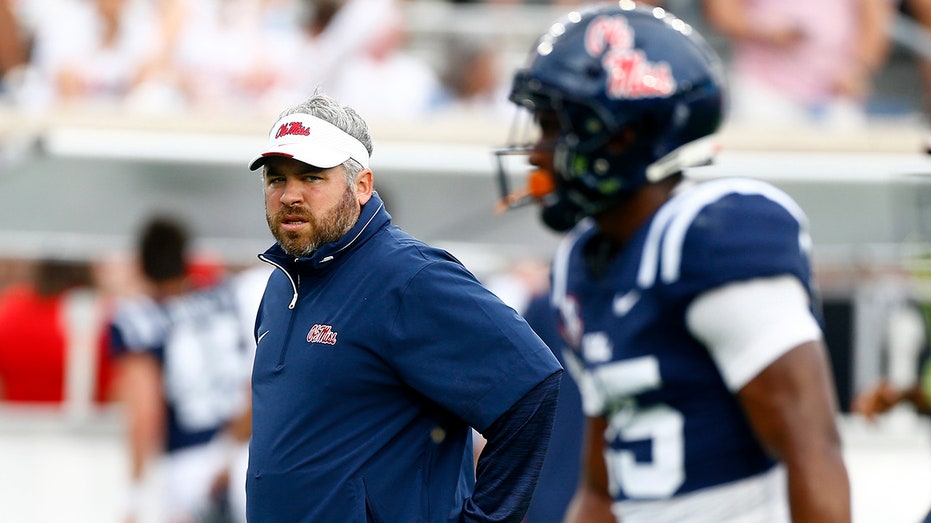
Ole Miss, meanwhile, faces its own pivotal moment. The promotion of Pete Golding from defensive coordinator to head coach reflects a shift toward internal continuity and a focus on culture rebuilding. It counters the typical ’quick fix’ coaching hires that prioritize flash over substance, suggesting Ole Miss’s intent to stabilize beyond the Kiffin era’s flair for headline-grabbing moves.
What This Really Means: Beyond the Sideline Drama
Landry Kiffin’s TikTok videos documenting family travels and boyfriend Whit Weeks meeting the Kiffin family are more than a social media sidebar—they humanize a high-profile transition often portrayed as transactional. This blending of personal narrative with public career moves illustrates how coaching in today’s college football sphere demands relentless juggling of family, fans, and fierce media scrutiny.
The public defense Landry offers against fan backlash reveals how athletes' and coaches' families are increasingly frontline mediators in the court of public opinion. This social media-savvy engagement also signals a generational shift in how collegiate sports figures manage reputation and create narratives in real time.
Moreover, Kiffin's move to LSU reverberates through recruiting dynamics. LSU’s ability to land Kiffin potentially disrupts recruiting pipelines previously loyal to Ole Miss, particularly in football hotbeds like Mississippi and Louisiana itself. The emotional and logistical aspects—highlighted by the close relationships shown in the Kiffin family interactions and the introduction of Whit Weeks to the family—hint at the relational networks influencing athlete decisions far beyond formal commitments.
Expert Perspectives
Sports psychologist Dr. Karen Weaver notes, "Coaching transitions at this level are rarely just about X’s and O’s; they ripple into players' mental well-being and family dynamics. The visibility of family involvement can stabilize or destabilize the coach’s leadership perception," underscoring the importance of transparent family narratives.
SEC analyst and former coach Mike Benton adds, "Lane’s move is a power play for LSU, but it hinges on managing the polarizing aspects of his tenure—his ability to inspire offensive innovation versus the risk of divisiveness in locker rooms." Benton stresses the delicate balance an institution must strike between leveraging star coaching personalities and building sustainable program culture.
Data & Evidence
The SEC remains the dominant force in recruiting, capturing approximately 60% of the top 100 high school prospects nationally over the past five years. LSU’s historical competitive advantage in Louisiana is crucial, given that nearly 80% of its football recruiting class traditionally comes from in-state or neighboring states. Kiffin’s Ole Miss tenure saw steady progress in recruiting rankings, with Ole Miss previously ranking in the top 10 nationally in certain cycles, but LSU’s pull remains daunting.
Additionally, studies have shown that coaching changes during the college football season or just before high-stakes recruiting windows can reduce recruiting class quality by up to 15%, highlighting the pressure on programs to stabilize quickly after high-profile departures.
Looking Ahead: What to Watch
LSU’s 2026 recruiting class and the Tigers’ on-field performance will serve as key litmus tests for Kiffin’s success and acceptance within the Baton Rouge community—a city known for its passion and impatience in football matters. Watching how Kiffin integrates his family into his professional life publicly may also offer clues on managing modern coach branding in college sports.
At Ole Miss, Pete Golding faces the challenge of both healing and building—reconciling the fan base and locker room after Kiffin’s controversial departure while carving a new identity grounded in defensive toughness and culture. This transition reflects broader trends in college athletics where program culture and coach-personality alignment are increasingly prioritized alongside wins and losses.
The Bottom Line
Lane Kiffin’s move to LSU is far more than a coaching hire; it symbolizes shifting paradigms in college football where personal narrative, family dynamics, institutional ambition, and brand management intersect. The public role of Kiffin’s family, evident through social media documentation and interpersonal introductions, underscores a new era in collegiate sports where transparency and storytelling are as vital as coaching strategies. Meanwhile, Ole Miss’s response signals a growing emphasis on stability and culture-building in contrast to high-profile, turbulent exits. This case will be an instructive study in balancing star power with program coherence in a rapidly evolving athletic landscape.
Topics
Editor's Comments
This coaching saga exemplifies the evolving complexity in college football where personal, institutional, and cultural factors intertwine more than ever before. While fans focus on wins and losses, the behind-the-scenes stories—like family involvement and social media narratives—often reveal how success or failure is constructed. The way Lane Kiffin’s family is publicly engaging during this transition offers a blueprint for coaches navigating the high-pressure spotlight. Yet, it's worth critically examining whether such visibility enhances transparency or risks oversimplifying complex institutional dynamics. How LSU manages these multiple dimensions will likely set a precedent for future high-profile coaching hires in the SEC and beyond.
Like this article? Share it with your friends!
If you find this article interesting, feel free to share it with your friends!
Thank you for your support! Sharing is the greatest encouragement for us.