What Judi Dench’s Macular Degeneration Reveals About Aging, Vision Loss, and Society’s Response

Sarah Johnson
December 3, 2025
Brief
A detailed analysis of Judi Dench’s public battle with macular degeneration reveals broader challenges of aging, vision loss, and future medical advances shaping life with degenerative eye diseases.
Opening Analysis
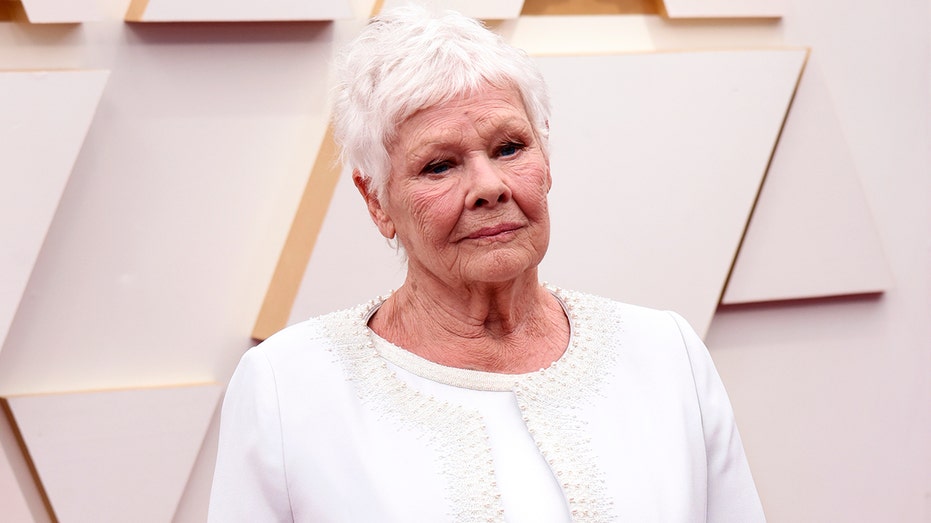
Dame Judi Dench’s candid revelation about the progression of her age-related macular degeneration (AMD) shines a poignant light on a leading cause of vision loss among seniors, underscoring the profound personal and societal impacts of degenerative eye diseases. Beyond the emotional gravity for an iconic actress whose craft relied heavily on sight, Dench’s story illuminates broader challenges around aging, healthcare accessibility, and support systems for those facing sensory decline.
The Bigger Picture
Age-related macular degeneration is the primary cause of severe, irreversible vision impairment in people over 50, affecting millions globally. The disease deteriorates the macula—the central part of the retina responsible for sharp, direct vision—resulting in blurred or complete loss of central sight, though peripheral vision typically remains intact. Since its identification in the late 19th century, AMD has drawn increasing scientific and public health attention as populations worldwide age rapidly. The prevalence of AMD rises steeply with age; the National Eye Institute estimates that nearly 2 million Americans suffer from advanced AMD, a figure projected to nearly double by 2050 due to demographic trends.
Dench’s diagnosis in 2012 and subsequent decline over more than a decade aligns with typical AMD progression patterns, where the disease often advances gradually from early to late stages, imposing a steady loss of central vision that severely compromises daily tasks like reading, recognizing faces, and navigating spaces safely.
What This Really Means
Dench’s experience encapsulates the multifaceted consequences of degenerative vision loss on identity, independence, and mental health. For an artist whose lifelong vocation depends on visual cues, the inability to read scripts or recognize acquaintances challenges not just her career but also the conceptualization of self. This transition often catalyzes feelings of isolation, anxiety, and frustration. Her admission of needing constant accompaniment to avoid falls or collisions underscores the practical safety risks AMD imposes.
Moreover, her openness helps destigmatize vision loss and raises awareness about the need for better resources and adaptive technologies for older adults. It highlights the gaps in public understanding regarding how sensory disabilities reshape social interaction—such as Dench’s humorous yet telling admission that she sometimes greets strangers thinking they are acquaintances.
At a societal level, rising AMD prevalence imposes substantial burdens on healthcare systems and caregivers, emphasizing the critical importance of early detection, monitoring, and treatment advances, as well as supportive community infrastructure. Dench’s public stature lends urgency to advocacy efforts that aim to improve funding for vision research, expand access to vision rehabilitation services, and foster inclusive environments accommodating the visually impaired.
Expert Perspectives
Dr. Emily Chew, Deputy Director, Division of Epidemiology and Clinical Applications, National Eye Institute: “Dame Judi Dench’s story brings a human face to AMD’s impact on millions. While current treatments can slow progression in some cases, especially wet AMD, much is still needed to halt or reverse vision loss. Innovations like gene therapy and stem cells offer hope, but accessibility and awareness are critical challenges.”
Professor Clare Gilbert, Ophthalmologist and Global Eye Health Expert: “Living well with vision impairment requires multifaceted support including mobility training, assistive technologies, and social connection. Public figures speaking openly about vision loss help break down stigma and promote understanding, which is vital for inclusive societies.”
Data & Evidence
- According to the World Health Organization, AMD accounts for approximately 8.7% of blindness worldwide.
- An estimated 196 million people will be living with AMD by 2020, expected to increase to 288 million by 2040 globally.
- Most AMD patients retain peripheral vision, which is why total blindness is rare, but central vision loss drastically reduces quality of life.
- Clinical studies show that lifestyle factors like smoking cessation and diet rich in antioxidants can modestly reduce AMD progression risk.
- Visual rehabilitation and mobility aids significantly improve independence and confidence in daily life for AMD patients, but are underutilized due to awareness and resource gaps.
Looking Ahead
The trajectory of AMD research hints at transformative breakthroughs within this decade. Emerging gene therapies targeting genetic causes and biological pathways hold promise for halting or reversing retinal degeneration. Meanwhile, assistive technology advancements—ranging from AI-powered visual recognition devices to enhanced tactile and audio navigation aids—are improving everyday functionality for people with vision loss.
Policy developments focused on aging populations will need to integrate comprehensive vision health strategies, including universal screening, expanded rehabilitation services, and inclusive urban design. As awareness grows through testimonials like Dench’s, there is potential to galvanize societal commitment to better eye health outcomes.
Dench’s candidness may also influence the entertainment industry and wider workforce to accommodate aging talent and individuals living with disabilities, embracing alternative methods of engagement and performance beyond traditional visual reliance.
The Bottom Line
Dame Judi Dench’s testimony is more than a personal account of vision loss—it is a profound reminder of the intersection between aging, health, and identity. Her openness shines a light on a prevalent but often hidden condition affecting millions, highlighting urgent needs in medical innovation, social support, and public awareness. As populations age globally, AMD will increasingly shape lived experiences, demanding a coordinated, compassionate response from healthcare, technology, and society at large.
Topics
Editor's Comments
Judi Dench’s openness about her macular degeneration invites a deeper conversation about how society supports aging individuals confronting sensory disabilities. Beyond the medical facts, her story touches on the existential challenges of identity erosion and social isolation, issues often overshadowed by clinical focus. This analysis seeks to highlight not only the biomedical progress but the urgent need for holistic care, public awareness, and inclusive cultural attitudes. The entertainment industry's response to aging talent could become a bellwether for broader societal shifts in accommodating disabilities, offering roles and platforms that honor experience even as physical abilities change. It is critical we listen beyond the headlines and consider how aging with dignity can be realized for millions facing similar silent struggles.
Like this article? Share it with your friends!
If you find this article interesting, feel free to share it with your friends!
Thank you for your support! Sharing is the greatest encouragement for us.