Jodie Foster’s Childhood Trauma Unveiled: The Hidden Emotional Costs of Hollywood Stardom

Sarah Johnson
December 5, 2025
Brief
An in-depth analysis of Jodie Foster's childhood trauma reveals the hidden emotional costs of early Hollywood stardom, exploring mental health, identity, and industry implications beyond the spotlight.
Why Jodie Foster's Childhood Trauma Sheds Light on the Hidden Costs of Hollywood Stardom
Jodie Foster’s revelation about a devastating childhood tragedy and its lifelong psychological impact offers a rare, intimate portrait of the often unseen emotional toll exacted on child actors navigating Hollywood’s pressures. Beyond recounting a personal loss, her story uncovers broader themes of trauma, identity negotiation, and the sacrifice that underpins early fame. It prompts us to reconsider how the entertainment industry intersects with mental health, especially for young performers thrust into demanding adult roles.
The Bigger Picture: Hollywood’s Child Stars and the Price of Success
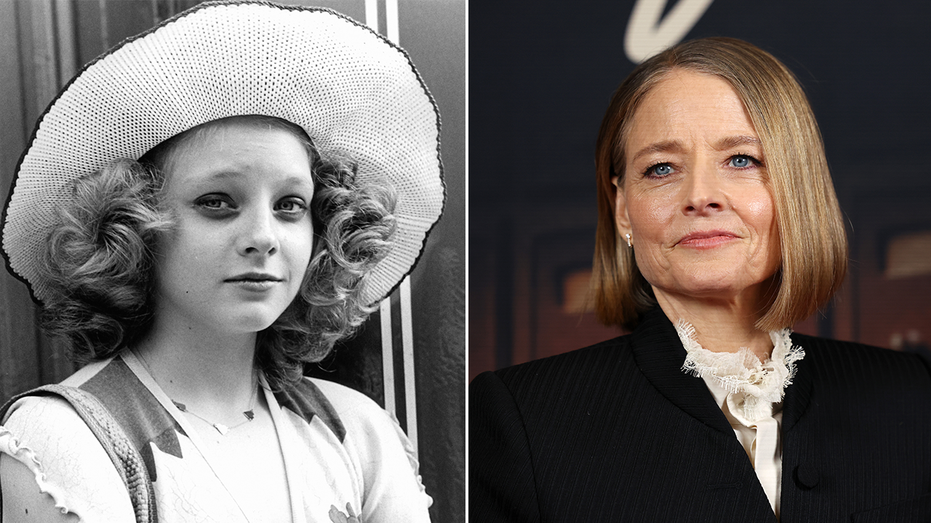
The tragedy of Foster's puppy dying just before the Cannes premiere of "Taxi Driver" in 1976 occurred at a pivotal moment—13 years old and on the brink of international acclaim. Historically, child actors like Foster have faced intense scrutiny and emotional hardships behind the glamour. From Shirley Temple in the 1930s to contemporary stars, the pattern of early exposure to adult pressures often leads to struggles with identity and trauma. Foster’s mention of undergoing psychological evaluations before filming speaks to how studios have long grappled with protecting young talent, though often within rigid, insufficient frameworks.
The duality of Foster’s experience—her early immersion into emotionally taxing roles coupled with personal trauma—is emblematic of a recurring Hollywood phenomenon. Many child stars compartmentalize pain to survive, as Foster reflects, learning from family or personal resilience strategies to shield their inner lives. This echoes the experiences of other actors who later publicly address childhood trauma impacting adulthood, highlighting systemic gaps in mental health support tailored to the unique stresses of the profession.
What This Really Means: Trauma, Identity, and the Quest for Meaning
Foster’s candid comparison of her mindset to that of Amélie, describing a magical thinking process where success comes at the cost of personal loss, reveals how trauma shapes identity and purpose. The notion she ‘‘gave up the thing I loved most to get [success]’’ encapsulates a profound psychological conflict—success intertwined with sacrifice—that many high-achieving individuals wrestle with but few publicly acknowledge.
The psychological thriller "A Private Life" serves as a meta-commentary on Foster’s ongoing exploration of trauma. By playing a psychoanalyst confronting suppressed truths, Foster confronts not just narrative crimes but the internal mysteries of repression and self-awareness that align closely with her lived experience. This blurring of art and life underscores how personal pain can fuel creative expression but also demands emotional labor that persists beyond the camera.
Expert Perspectives on Childhood Trauma in the Entertainment Industry
Dr. Nadine Burke Harris, a leading physician on childhood trauma, emphasizes that "childhood traumatic events can create neurobiological changes, affecting emotional regulation and memory processing, especially when compounded by public pressures." Foster's experience underscores how child stars may endure complex PTSD, magnified by isolation and performance demands.
Film scholar Dr. Mary Desjardins notes, "Foster’s compartmentalization is a classic coping mechanism observed in child performers, allowing them to function amidst emotional chaos, but often at the cost of long-term psychological distress." This mechanism, while adaptive in youth, can complicate adult identity formation.
Data & Evidence: Child Performers and Mental Health
Studies indicate that child actors face disproportionately high risks of anxiety, depression, and substance abuse compared to non-acting peers. A 2019 survey by Actors’ Equity Association found that almost 60% of former child stars reported difficulties balancing mental health with career demands. Yet, systemic resources remain limited, with mental health screenings rarely standardized beyond initial psychological assessments—a gap Foster’s story highlights vividly.
Looking Ahead: Rethinking Success and Support in Hollywood
Foster’s journey toward peace in her 60s suggests evolving attitudes toward aging, fulfillment, and mental health rehabilitation for actors previously burdened by childhood trauma. It also presents an opportunity for industry reform, encouraging studios, agents, and mental health professionals to collaborate in creating holistic, ongoing support for performers beyond episodic assessments.
Moreover, Foster’s narrative invites a cultural shift away from glamorizing early success towards valuing sustainable well-being. This reorientation could inspire policy changes, including mandated mental health resources tailored to child actors and open dialogues to destigmatize trauma discussions within Hollywood.
The Bottom Line
Jodie Foster’s haunting childhood experience exposes the shadow side of Hollywood stardom: the psychological sacrifices hidden beneath public acclaim. Her story is not merely a tragic anecdote but a window into systemic challenges faced by young performers. By sharing this, Foster contributes to a vital conversation on trauma, resilience, and the need for compassionate industry practices that honor the whole person, not just their star power.
Topics
Editor's Comments
Jodie Foster’s candid account reminds us that Hollywood’s dazzling surface often conceals complex human costs, especially for those thrust into stardom as children. Her ability to compartmentalize pain—a survival skill learned early—reflects widespread but under-discussed experiences in the entertainment industry. This story should catalyze greater industry-wide attention to mental health support for child performers. It also challenges prevailing narratives that equate success solely with achievement, urging us instead to value emotional wholeness. Foster’s late-in-life peace offers hope, suggesting that recovery from trauma is possible but requires acknowledging and addressing the past, not burying it. Moving forward, a holistic approach to nurturing talent must prioritize psychological safety as much as artistic skill.
Like this article? Share it with your friends!
If you find this article interesting, feel free to share it with your friends!
Thank you for your support! Sharing is the greatest encouragement for us.