Beverly D'Angelo’s Late Motherhood: Navigating Career, Family, and Hollywood’s Ageism
Sarah Johnson
December 3, 2025
Brief
Beverly D'Angelo’s story of late motherhood and career trade-offs reveals deep insights into Hollywood’s ageism, evolving family norms, and the complex choices female professionals face balancing ambition and parenting.
Opening Analysis
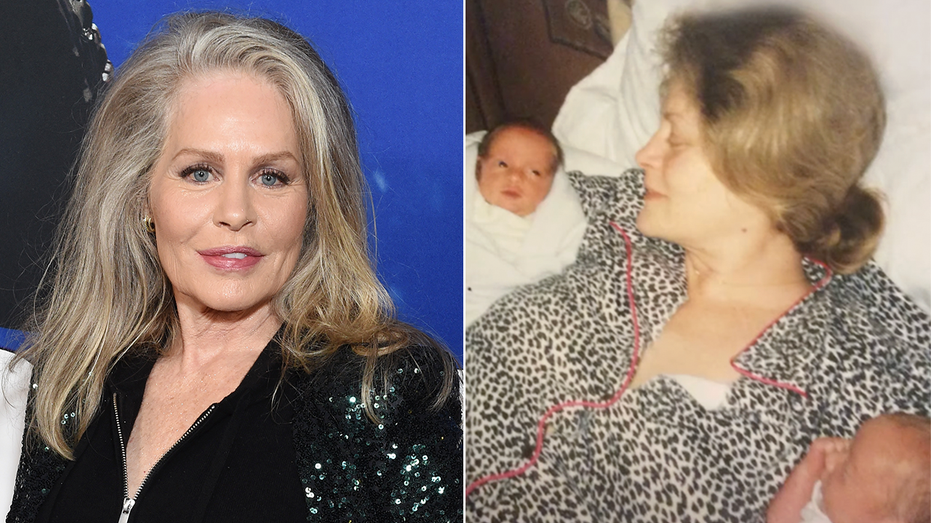
Beverly D'Angelo's candid reflection on prioritizing motherhood at 49 over career ambitions sheds light on the complex interplay between late parenthood, female career trajectories, and societal expectations in Hollywood. More than a celebrity anecdote, her story opens a window into broader discussions about women’s reproductive choices, the pressure of aging in the entertainment industry, and evolving norms around family and career balance.
The Bigger Picture
Historically, the entertainment industry has imposed unspoken timelines for women’s careers, often tied to youthful appearances and traditional family roles. D'Angelo’s emergence as a breakthrough star in the early 1980s with "Coal Miner’s Daughter" and the celebrated "National Lampoon" series placed her firmly within a cultural moment valuing youthful charisma and frequent visibility. Yet, by delaying motherhood until 49 through in vitro fertilization (IVF), she diverged from conventional expectations—especially at a time when assisted reproductive technologies were less accepted and publicized than today.
Late motherhood among high-profile women challenges both Hollywood’s ageism and social stereotypes about parenting. D’Angelo’s decision to focus on raising her children away from the glare of celebrity parallels a growing movement of women choosing non-traditional timelines for family without forfeiting personal identity or creative ambition.
What This Really Means
D'Angelo’s admission highlights the often invisible trade-offs female professionals make in balancing family and career, especially in industries with rigid age dynamics. By prioritizing parenting at an age when many actresses face diminishing roles, she may have sacrificed additional career momentum but gained personal fulfillment and a distinct family experience.
Her story reframes success beyond box office or screen time metrics, emphasizing emotional legacy and redefining what a "bigger career" might mean—including the choice to nurture life rather than celebrity. Moreover, the generational gap she experiences with fellow parents underscores shifting cultural standards and the often isolating experience of late parenthood.
Expert Perspectives
Dr. Emily Oster, economist and author on parenting and social trends, notes: "Women in demanding careers increasingly delay childbirth, but the effect on career progression is complex, shaped by workplace flexibility and societal support structures."
Hollywood historian Dr. Darnell Hunt adds, "The entertainment industry’s fixation on youth disproportionately pressures women, so choices like D'Angelo’s illuminate the resilience and negotiation women undertake to balance identity and profession."
Reproductive endocrinologist Dr. Jane Frederickson states, "IVF at advanced maternal ages carries medical complexities but also presents empowering options that are redefining family planning narratives for women globally."
Data & Evidence
- According to CDC data, births to women aged 40-44 have increased by over 30% in the past two decades in the U.S., reflecting shifting family planning trends.
- Studies show women who delay childbirth often face systemic career penalties, including fewer promotional opportunities and wage gaps, exacerbated in industries like film and television where ageism is prevalent.
- An analysis of Hollywood casting trends reveals women over 45 are significantly underrepresented in leading roles compared to their male counterparts.
- IVF success rates decline with age, making D’Angelo and Pacino’s successful twin birth at 49 exceptional and emblematic of medical advancements impacting family planning.
Looking Ahead
D’Angelo’s experience presages ongoing societal shifts where career women increasingly have access to reproductive technologies and demand more flexible expectations around family. Hollywood is facing rising pressure to dismantle age and gender biases, creating more diverse roles that reflect women’s evolving life choices.
Future trends may include expanded visibility for late motherhood in media, evolving narratives around female aging, and policy reforms in workplaces to better accommodate parenting at all ages. Public conversations about the emotional and cultural dimensions of late motherhood, especially outside celebrity circles, will continue to grow in importance for social acceptance.
The Bottom Line
Beverly D'Angelo’s journey intertwines pioneering late motherhood with the realities of an industry constrained by age and gender norms. Her choice to center family during a pivotal period reframes traditional definitions of success, challenges Hollywood’s ageist culture, and exemplifies broader societal shifts toward embracing diverse paths for women balancing career and parenthood.
Topics
Editor's Comments
Beverly D’Angelo’s narrative is a rich case study in how personal choices intersect with larger systemic issues like ageism and gender expectations in Hollywood. Her openness about deliberately choosing motherhood at an unconventional age invites a needed conversation about expanding definitions of success and agency for women. It also challenges us to rethink how industries and societies support—or fail to support—women whose lives don’t follow traditional timelines. This story could be a touchstone for analyzing evolving labor practices, reproductive technologies, and cultural shifts in parenting roles, especially in highly visible fields.
Like this article? Share it with your friends!
If you find this article interesting, feel free to share it with your friends!
Thank you for your support! Sharing is the greatest encouragement for us.