Iran Turns to Russia and China to Dodge U.N. Sanctions Ahead of Nuclear Talks

Sarah Johnson
July 23, 2025
Brief
Iran seeks Russia and China’s help to avoid U.N. snapback sanctions as nuclear deal deadline with European powers looms, raising global security concerns.
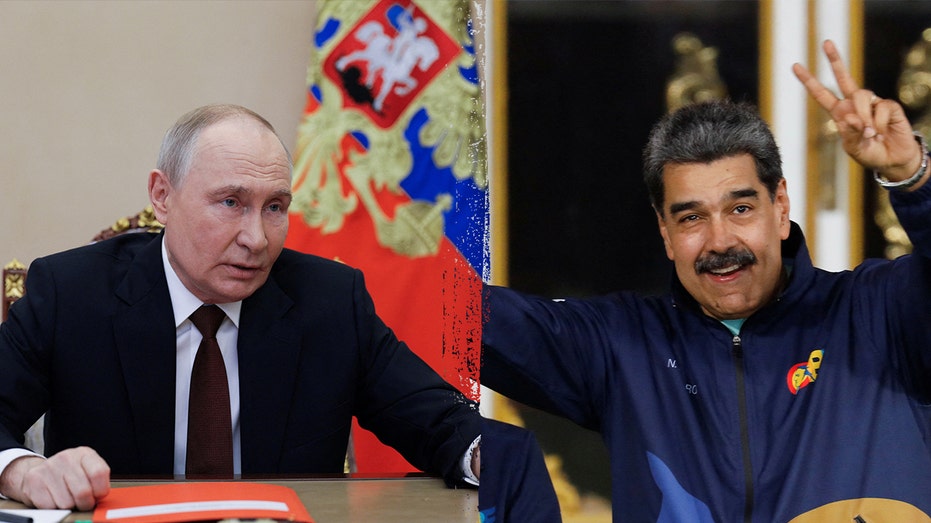
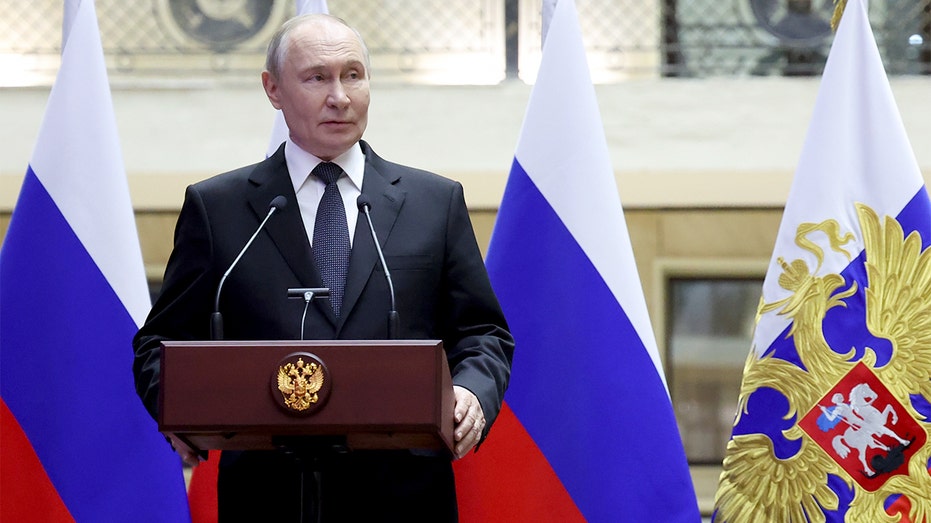
Iran is playing a high-stakes game of diplomatic chess, reaching out to heavyweights Russia and China this Tuesday to dodge the looming threat of U.N. snapback sanctions. With a critical deadline for a new nuclear deal fast approaching, Tehran is scrambling to shield itself from the consequences of failing to comply with international agreements. Foreign Ministry spokesman Esmail Baghaei emphasized the close ties with these allies, hinting at a coordinated effort to either prevent or soften the blow of these sanctions.
The backdrop to this urgent maneuvering is the 2015 Joint Comprehensive Plan of Action (JCPOA), a deal that aimed to curb Iran’s nuclear ambitions but unraveled after the U.S. pulled out in 2018. Since then, Iran has made significant nuclear strides, raising alarms globally. Now, with France, Germany, and the U.K.—collectively known as the E3—threatening to enforce sanctions by the end of August if no new agreement is reached, the pressure is on. Tehran’s talks with the E3 are slated for Friday, but the window for a breakthrough is shrinking.
The snapback mechanism, embedded in the JCPOA, is a powerful tool that could reinstate stringent international sanctions through the U.N. Security Council if Iran is found in violation of the deal. While the U.S. can no longer directly trigger this due to its withdrawal, American officials, including Secretary of State Marco Rubio, are urging European allies to wield this diplomatic weapon to halt Iran’s nuclear progress.
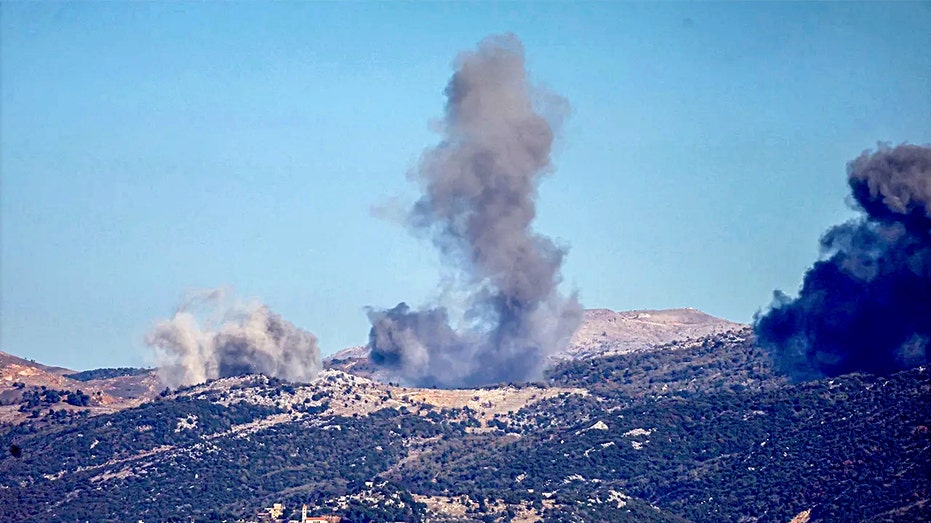
Experts warn that enforcing these sanctions could take weeks due to procedural hurdles, and the ability to use snapback under JCPOA terms expires on October 18. Behnam Ben Taleblu, a senior director at the Foundation for Defense of Democracies, called snapback the 'most powerful political and diplomatic tool' against Iran’s nuclear program, suggesting it could amplify the impact of recent U.S. and Israeli strikes on Iranian facilities. Yet, he also cautioned that such measures might push Iran to abandon other nuclear treaties, escalating security risks for the West.
As Iran juggles these high-level talks, the world watches to see if diplomacy can avert a crisis—or if the chessboard will be upended entirely.
Topics
Editor's Comments
Iran’s diplomatic dance with Russia and China feels like a desperate attempt to swap a checkmate for a stalemate. If sanctions snap back, Tehran might just flip the chessboard and walk away from every nuclear agreement. Here’s a thought: maybe Iran’s leaders are hoping Moscow and Beijing can smuggle in a ‘get out of jail free’ card. Let’s hope the E3 doesn’t fold under this pressure—because if they do, we’re all playing a losing game.
Like this article? Share it with your friends!
If you find this article interesting, feel free to share it with your friends!
Thank you for your support! Sharing is the greatest encouragement for us.