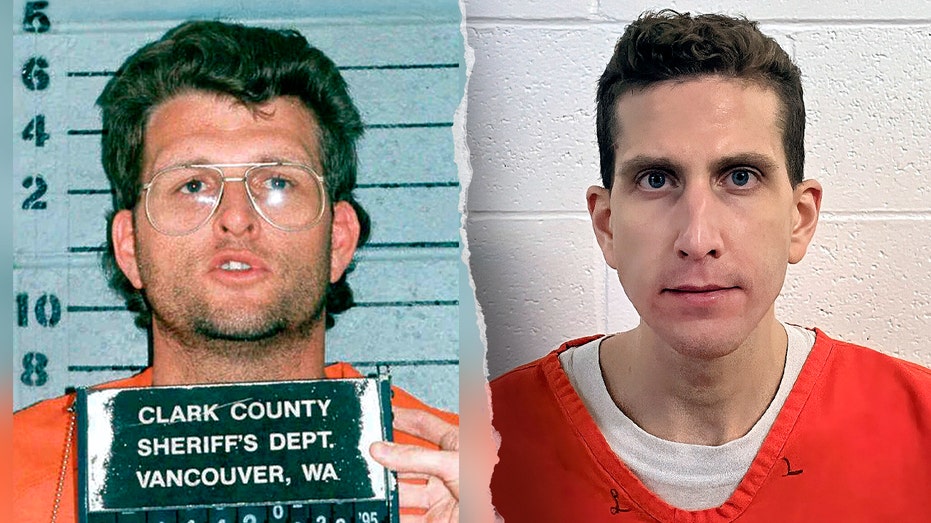

Inside Bryan Kohberger’s Prison World: What His Attempts to Connect with Serial Killers Reveal About Criminal Identity and Penal Culture

Sarah Johnson
December 6, 2025
Brief
A deep dive into Bryan Kohberger’s prison behavior reveals insights into criminal psychology, prison social hierarchies, and challenges facing correctional systems managing notorious offenders.
Why Bryan Kohberger’s Prison Behavior Reveals Deeper Patterns in Criminal Psychology and Penal Culture
The recent reports of Bryan Kohberger, convicted of a notorious quadruple murder, attempting to connect with other serial killers from within prison walls may seem like prison gossip. But this behavior offers a revealing window into the complex dynamics of infamy, identity, and survival strategies among high-profile inmates. While the headlines focus on Kohberger’s complaints and isolation, the underlying story sheds light on the intersection of criminal psychology, prison social hierarchies, and the broader societal obsession with violent crime.
The Bigger Picture: Prison as a Microcosm of Social Status and Identity for Notorious Killers
Bryan Kohberger’s crime—a meticulously brutal home invasion killing four college students with no apparent motive or connection—propelled him into infamy. Historically, serial killers and other infamous criminals occupy paradoxical positions within prison populations: simultaneously feared, ostracized, and desired allies for different reasons. Prisons are not mere holding facilities but theaters of social power where reputation can be a matter of life and death. High-profile offenders often struggle to navigate these treacherous environments because their crimes attract attention, jealousy, or outright hatred from fellow inmates.
This is not unique to Kohberger. Serial killers like Ted Bundy and Richard Ramirez infamously leveraged their notoriety inside prisons to build cult-like followings, while others have been violently targeted due to perceived threats or ego. Kohberger’s reported attempts to ‘buddy up’ with other serial killers point to a psychological need to establish identity and status in an environment where he is vulnerable.
What This Really Means: The Intersection of Criminal Identity, Manipulation, and Survival
Experts in criminology and forensic psychology emphasize that infamous killers often engage in social posturing behind bars—trying to maintain a sense of control when physically confined. Kohberger’s claims of feeling ‘above everyone around him’ suggest a fragile ego grappling with diminished autonomy and mortality behind bars. His repeated complaints about prison food and conditions, including the quality of bananas as a vegan, may appear trivial but align with a broader pattern of inmates weaponizing grievances to negotiate better treatment or attention.
Such behavior can be manipulative, serving as both a cry for help and a tactic to unsettle prison staff and inmates. His implied threats of self-harm to demand a transfer out of solitary-like confinement highlight the precarious psychological state common among inmates facing prolonged isolation, which studies have shown can exacerbate mental health issues and aggressive behavior.
Expert Perspectives: Understanding Kohberger Through a Criminological Lens
Chris McDonough, director of the Cold Case Foundation, notes Kohberger’s overtures to other killers and his efforts to communicate beyond prison walls. This is consistent with research showing how some inmates try to maintain or build networks for protection, influence, or psychological comfort. According to Dr. Katherine Ramsland, a forensic psychologist and expert on serial killers, “Notorious offenders sometimes seek alliances, real or imagined, to assert dominance or find a semblance of community—sometimes even romanticizing their crimes or criminal status.”
Another relevant perspective comes from Margo Schlanger, a criminologist specializing in prison reform, who highlights how inmates like Kohberger suffer from conditions that push them toward aggression or depression, reinforcing the need for mental health support rather than just punishment. Kohberger’s situation underscores systemic challenges faced by prison administrators when housing high-risk, high-profile inmates—balancing safety, mental health, and security.
Data & Evidence: Trends in Prison Social Dynamics and Inmate Mental Health
According to a 2022 survey by the Bureau of Justice Statistics, approximately 20% of inmates report ongoing threats or violence from other prisoners, with those convicted of violent or notorious crimes at higher risk. Isolation units, often used to protect vulnerable inmates, can lead to severe psychological distress; a 2019 meta-analysis published in The Lancet Psychiatry found that solitary confinement doubles the likelihood of self-harm and suicide attempts among prisoners.
Moreover, studies reveal that complaints about food and treatment often serve as proxies for deeper psychological unrest or as bargaining chips to improve conditions. Complaints about vegan or specialized diets in prison settings have increased as awareness of inmate rights grows, sometimes clashing with resource-limited institutional kitchens often staffed by inmates themselves, complicating prison food politics.
Looking Ahead: Implications for Prison Management and Public Perception
The Kohberger case exemplifies ongoing challenges in managing prisoners with infamous histories who face both threats from fellow inmates and internal psychological struggles. Prison administrators must develop nuanced approaches balancing security protocols with mental health care.
For the public, this reveals tensions in how society punishes, isolates, and humanizes its most reviled criminals. Sensational reporting often overlooks these complexities, focusing on scandal rather than systemic issues of prison reform, mental health, and criminological understanding.
As policies evolve, there is increased pressure on correctional systems to provide better support mechanisms to prevent violence and self-harm while maintaining order. Kohberger’s attempts at social connection, complaints, and potential manipulation highlight the delicate interplay between control and vulnerability behind bars.
The Bottom Line
Bryan Kohberger’s prison behavior is more than isolated boorishness; it reflects broader themes of identity, survival, and mental health among notorious offenders confined in harsh environments. Understanding these patterns helps contextualize both the challenges of incarceration and the societal fascination with high-profile criminals. Moving beyond surface-level coverage toward informed analysis can improve public discourse and policymaking in criminal justice.
Topics
Editor's Comments
Kohberger’s prison behavior underscores a critical tension in the criminal justice system: how do we humanely manage individuals who are both profoundly dangerous and socially isolated due to their crimes? His attempts to form alliances and his vocal complaints highlight an urgent need to reconsider how prisons address the mental health and safety of such inmates. Beyond sensational headlines, this case exposes the systemic challenges of incarceration—especially the mental health ramifications of solitary confinement and the social hierarchies that govern inmate interactions. It raises fundamental questions about the purpose of imprisonment—is it solely punishment, or should rehabilitation and psychological support factor more prominently? Addressing these issues not only improves inmate wellbeing but can also enhance prison safety and reduce recidivism. This analysis calls for a more nuanced public conversation, one that moves past simplistic portrayals of offenders toward a deeper understanding of the complexities inside prison walls.
Like this article? Share it with your friends!
If you find this article interesting, feel free to share it with your friends!
Thank you for your support! Sharing is the greatest encouragement for us.