How Incendiary Immigration Debates Fueled a Molotov Cocktail Attack on an LA Federal Building

Sarah Johnson
December 3, 2025
Brief
An in-depth analysis of the LA Molotov cocktail attack reveals how incendiary immigration debates and political rhetoric fuel violent extremism targeting federal agencies.
Opening Analysis
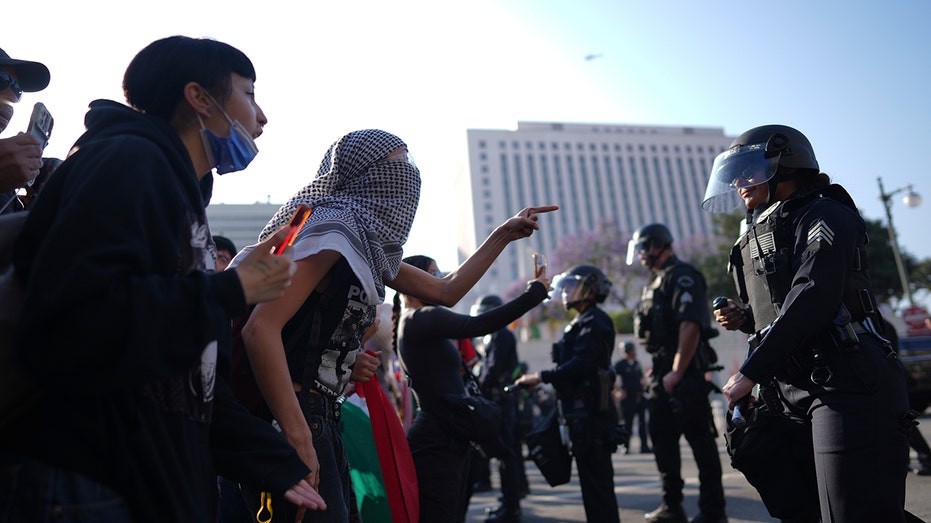
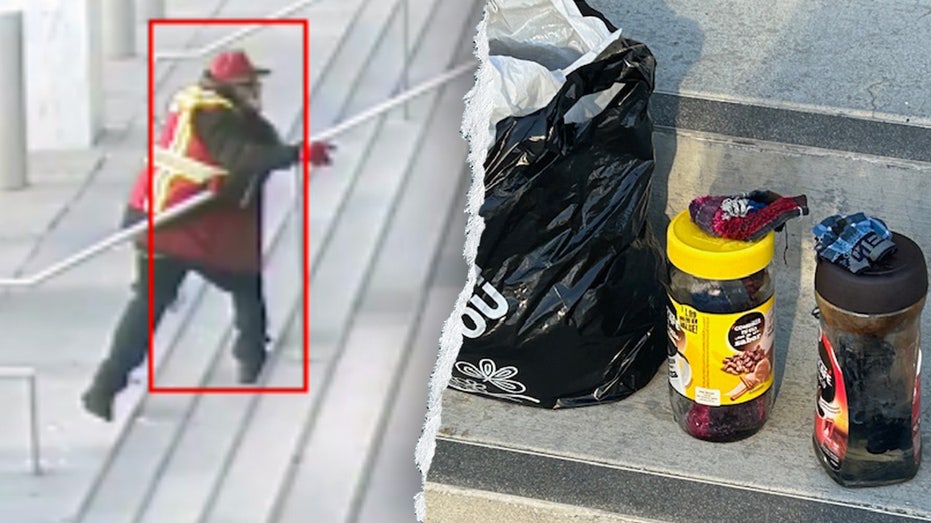
The recent incident in downtown Los Angeles where Jose Francisco Jovel allegedly threw Molotov cocktails at a federal building underscores a disturbing intersection of violent extremism and politically charged rhetoric surrounding immigration enforcement. Beyond the immediate criminal act, this event highlights how fraught the immigration debate has become, catalyzing violence and raising critical questions about the role of inflammatory public discourse in fomenting targeted attacks on government institutions.
The Bigger Picture
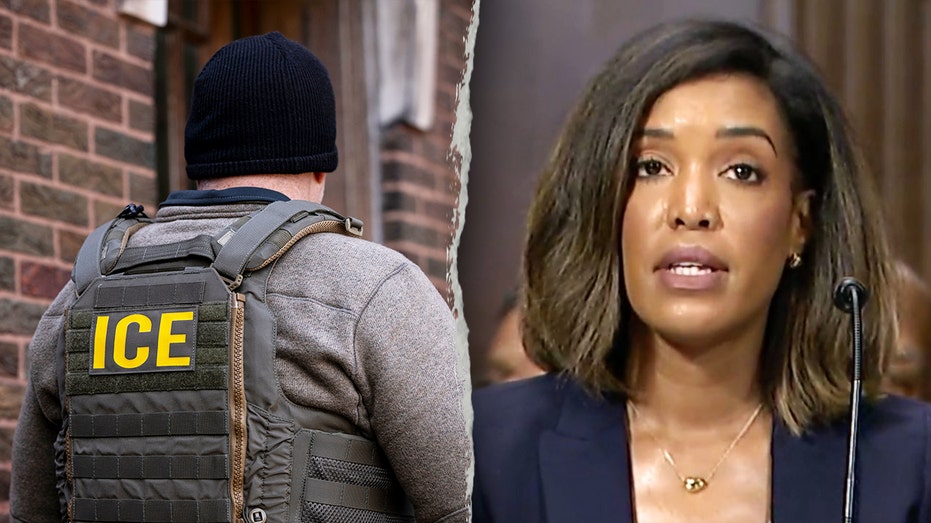
Historically, immigration enforcement has been a flashpoint in U.S. political debates, often triggering polarized responses ranging from peaceful protests to violent confrontations. The federal building targeted houses key agencies like ICE and the U.S. Attorney’s Office, pivotal in enforcing immigration law—a contentious issue ever since landmark legislation in the late 20th century ramped up border controls and deportations.
Anti-federal sentiment tied to immigration enforcement has roots that trace back decades, but intensified in recent years amid polarizing public debates on family separation policies and migrant detention conditions. Past incidents of politically motivated violence against government targets, such as the 1995 Oklahoma City bombing, offer a sobering historical context for how domestic terrorism can emerge from grievances amplified by extremist narratives.
What This Really Means
This attack reflects a dangerous escalation where deeply personal and political frustrations manifest as violent action. Jovel's explicit motivation—anger over immigration policies and the separation of families—mirrors broader societal cleavages fueled by emotional rhetoric. His own description of the act as a "terrorist attack" signals self-identification with political violence framed as a form of protest or vengeance.
The incident also illustrates the thin line between expressive dissent and criminal violence, prompting urgent debates over the consequences of inflammatory political language. First Assistant U.S. Attorney Bill Essayli’s statement pointing to “irresponsible rhetoric by politicians and activists” serves as a stark reminder that words in public discourse have tangible real-world consequences, especially when they demonize entire institutions or groups.
Moreover, the targeting of law enforcement officers with incendiary devices during active security processing reveals the potential for grievous harm and disruption to essential federal operations. The failure of the devices to ignite prevented casualties, but the attempt itself is indicative of rising threats to government infrastructure and personnel linked to politicized grievances.
Expert Perspectives
Dr. Kathleen Blee, a professor specializing in social movements and political violence, notes, “This case exemplifies how grievance narratives around immigration can be weaponized by individuals predisposed to violent action, particularly when there is an enabling environment of hostile rhetoric and distrust in institutions.”
John Cohen, former FBI senior official and expert on domestic terrorism, explains, “The labeling of this attack as terrorism is significant—it moves beyond protest and signals a tactic intended to instill fear and disrupt government functions. Federal law enforcement agencies have been bracing for increased threats tied to political and social unrest, and this incident fits a pattern that is deeply concerning.”
Dr. Julia Preston, immigration policy analyst, adds, “The invocation of ‘family separation’ in motivating violence reflects how emotionally charged immigration enforcement debates have become. While policy dialogue is essential, it must remain grounded in civility to avoid creating fertile ground for violent extremism.”
Data & Evidence
Studies from the Center for Strategic and International Studies report a notable rise in domestic terrorist incidents motivated by anti-government and social justice issues between 2018-2024. Incidents targeting federal buildings have increased by nearly 30% over the past decade, often accompanied by inflammatory political rhetoric.
Data from the FBI’s 2023 Domestic Terrorism Report indicate that attacks on federal facilities by lone actors and small cells have become more frequent, with a 25% uptick over the previous year. The use of Molotov cocktails and incendiary devices is a common method in such attacks, chosen for their accessibility and destructive potential.
Additionally, polling data highlights a substantial portion of the public expressing distrust in federal agencies responsible for immigration enforcement, with 45% of respondents in certain border states reporting negative sentiment toward ICE and related agencies, contributing to heightened tensions.
Looking Ahead
Going forward, this event could escalate security protocols at federal buildings nationwide, especially those associated with immigration enforcement, potentially increasing tensions between law enforcement and communities already wary of federal authority.
Political leaders and public figures will face heightened scrutiny regarding their language about immigration enforcement. Calls for more responsible discourse will likely intensify, but effectively countering extremist violence may require more comprehensive strategies that address underlying grievances and promote community engagement.
There is also the risk that such attacks may inspire copycat actions, underscoring the need for enhanced intelligence gathering and preventative measures by counterterrorism units. Congressional and executive branches may revisit sentencing guidelines and resource allocations to respond to domestic terrorism threats targeting government infrastructure.
The Bottom Line
The attempted attack at a Los Angeles federal building reveals how volatile and dangerous the fusion of political grievance, incendiary rhetoric, and violent extremism can be—especially around contentious issues like immigration enforcement. It demands a multidimensional response combining stronger security, thoughtful public communication, and policies aimed at bridging societal divides rather than deepening them.
Topics
Editor's Comments
This incident in Los Angeles is emblematic of a broader crisis where toxic political discourse amplifies real fears and frustrations into violent acts. While Jovel's attack ultimately did not injure anyone, it serves as a chilling reminder of how quickly ideological extremism can cross from rhetoric into terrorism. What remains critical is not only enhancing security but fostering a political environment where grievances—especially around divisive issues like immigration—can be expressed through democratic processes rather than violence. Policymakers and community leaders must reckon with how their words shape public perceptions and potential threats, or risk more incidents like this in the future.
Like this article? Share it with your friends!
If you find this article interesting, feel free to share it with your friends!
Thank you for your support! Sharing is the greatest encouragement for us.