GLP-1 Implants for Pets: Breakthrough in Feline Health or Over-Medicalizing Obesity?

Sarah Johnson
December 12, 2025
Brief
A pioneering GLP-1 implant for cats promises weight loss and longevity, but raises deeper questions about pet obesity, ethics, veterinary economics, and the medicalization of lifestyle problems in companion animals.
GLP-1 Implants for Pets: A Weight-Loss Breakthrough or a Symptom of a Deeper Problem?
The first experimental GLP-1 implant for cats, OKV-119, is being hailed as a breakthrough in pet weight management and healthy aging. On the surface, this looks like the animal-health version of the human Ozempic/Wegovy revolution. But behind the sleek “ultra-long acting” implant lies a bigger story about how we’re medicalizing lifestyle problems in pets, reshaping the veterinary business model, and testing the boundaries of what responsible pet ownership should look like in a pharmaceutical age.
The Bigger Picture: How We Got to Obesity Drugs for Cats
To understand why a GLP-1 implant for cats exists at all, you have to look at several converging trends over the past three decades:
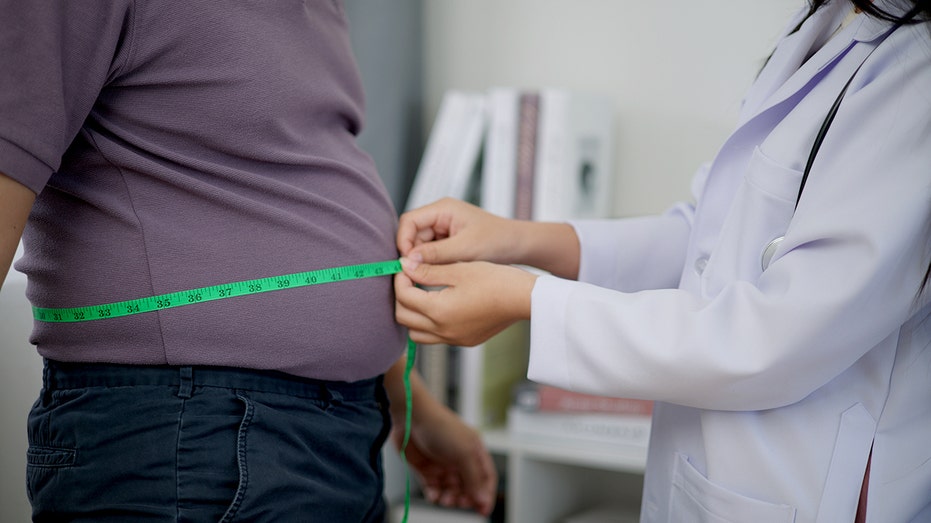
- The rise of pet obesity: Various studies estimate that 50%–60% of cats and dogs in the U.S. are overweight or obese. The Association for Pet Obesity Prevention has repeatedly warned that obesity is now the most common preventable disease in companion animals.
- Human–pet lifestyle convergence: Indoor, low-activity pets eating calorie-dense commercial diets are essentially living a scaled-down version of human sedentary life. As human obesity and type 2 diabetes exploded, similar patterns emerged in cats and dogs, especially spayed/neutered indoor cats.
- Veterinary medicine’s shift toward chronic disease management: Over the past 20 years, vets have moved from primarily treating acute infections and injuries to long-term management of chronic conditions: diabetes, arthritis, kidney disease, and obesity-related illnesses.
- The Ozempic effect: Once GLP-1 agonists proved enormously effective for human diabetes and obesity, it was almost inevitable that the industry would ask: can this be monetized in pets?
GLP-1 (glucagon-like peptide-1) agonists work by enhancing insulin secretion, slowing gastric emptying, and reducing appetite. In humans, they not only lower blood sugar but also drive significant weight loss and appear to improve cardiovascular outcomes. OKAVA Pharmaceuticals is attempting to translate that same metabolic logic to cats through a six-month implant, promising better weight control, improved cardio-metabolic health, and potentially longer, healthier lives.
What This Really Means: Beyond Thinner Cats
The MEOW-1 trial is being presented as a straightforward clinical advance, but it signals deeper shifts in how we think about animals, medicine, and responsibility.
1. From food bowls to pharmaceuticals: outsourcing owner responsibility
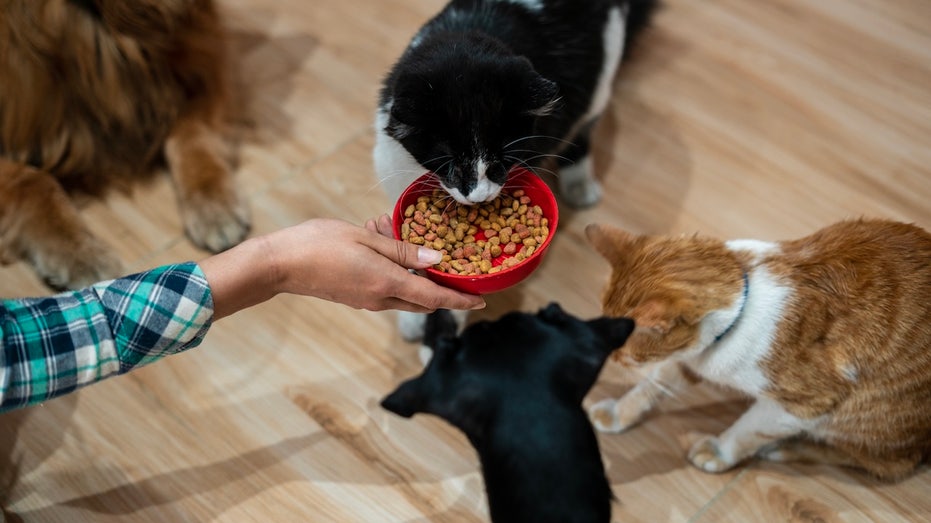
Veterinarians have been telling owners for years that simple interventions—smaller portions, controlled feeding, increased play—can dramatically change a cat’s weight trajectory. Yet adherence is notoriously poor. Feeding is a key part of the human–animal bond; for many owners, cutting back food feels like withholding affection.
OKAVA’s CEO explicitly frames OKV-119 as a workaround: mimic fasting and caloric restriction without changing feeding routines or risking that bond. In practice, this could normalize a pattern where lifestyle and environmental causes of disease are left largely untouched, and pharmacology fills the gap. It parallels what’s happened in human medicine: statins instead of diet change, GLP-1 drugs instead of sustained behavior modification.
2. A new revenue model for veterinary medicine
Companion-animal health is a multi-billion-dollar market, and it’s shifting quickly toward subscription-style, chronic-care revenue. An implant that must be renewed every six months fits neatly into that model. Clinics already rely heavily on recurring income from flea/tick preventatives, heartworm medications, and therapeutic diets. A GLP-1 implant could become another anchor product.
That doesn’t make it inherently bad, but it raises conflict-of-interest questions: will vets feel pressure—financial or cultural—to recommend implants where stricter dietary discipline might suffice? And how will pet owners navigate advice that blends genuine medical benefit with strong commercial incentives?
3. Ethical questions: how much intervention is too much?
Unlike humans, pets cannot consent. We choose their diet, activity, and now their long-acting hormonal environment. A six-month implant that alters a cat’s appetite, metabolism, and perhaps behavior demands a higher ethical scrutiny than a reversible daily pill.
The stated benefits—better insulin sensitivity, reduced fat mass, improved energy metabolism—sound appealing. But adverse effects in humans on GLP-1 drugs include gastrointestinal distress, potential pancreatitis, gallbladder issues, and very rarely severe complications. We don’t yet know how these risks will translate in cats or dogs, particularly over years of repeated implantation.
What’s Being Overlooked in Early Coverage
Several crucial angles have been largely absent from initial reporting:
- Long-term safety data: The MEOW-1 trial is early-stage. There is no multi-year, real-world data on repeated implants in older cats, or in cats with concurrent kidney disease—one of the most common feline conditions.
- Impact on behavior and quality of life: Appetite and food-seeking behavior are core parts of cat personality. If an implant blunts these signals significantly, what does that do to their emotional well-being? Humane treatment isn’t just about physical metrics.
- Cost and access: High-end biologics for humans can cost thousands of dollars per year. Even at a fraction of that, regular six-month implants may be out of reach for many owners, potentially widening health disparities between pets in wealthy households and everyone else.
- Risk of off-label or DIY misuse: Once GLP-1 for pets is normalized, the door opens to compounding pharmacies, black-market sourcing, and off-label use in species or conditions for which safety hasn’t been proven.
Expert Perspectives: Promise and Caution
Veterinarians and metabolic health experts see both exciting potential and serious caveats.
Dr. W. Chris Hummel notes that GLP-1 drugs look like “promising” alternative therapies for diabetes mellitus in pets, aligning with a growing body of research that obesity and diabetes are rising rapidly in cats and dogs. Feline diabetes in particular has increased in step with pet obesity, and treatment is labor-intensive: twice-daily insulin injections, strict feeding schedules, and regular glucose curves.
For that subset of animals—already diabetic, at high risk of complications—an implant that improves glycemic control and promotes weight loss might genuinely reduce suffering and extend life. The calculus is very different, however, for mildly overweight pets where careful diet management could achieve similar results without permanent implants.
Comparative endocrinologists also point out that species differences matter. Cats are obligate carnivores with unique carbohydrate metabolism; their baseline physiology isn’t just a smaller version of humans. Extrapolating efficacy and safety directly from human GLP-1 data would be scientifically irresponsible.
Data & Evidence: What We Know—and Don’t
Although detailed MEOW-1 data aren’t public, several background trends frame the stakes:
- Estimates suggest over half of U.S. cats are overweight or obese, with some surveys placing the figure even higher.
- Obese cats have a markedly higher risk of type 2-like diabetes, osteoarthritis, hepatic lipidosis, and potentially shortened lifespan.
- Caloric restriction in animals is one of the most robustly supported interventions for extending lifespan and delaying age-related disease in laboratory models. The OKV-119 pitch leans heavily on mimicking some of these metabolic effects without actual caloric restriction.
- In humans, GLP-1 drugs have shown 10–15% average body-weight reduction in many trials and improved cardiovascular outcomes in high-risk patients, but require careful monitoring for side effects.
What’s still unknown for pets includes:
- The prevalence and severity of GLP-1–related side effects in cats and dogs
- Interactions with common comorbidities such as chronic kidney disease or hyperthyroidism
- Whether long-term use genuinely extends lifespan or simply shifts disease patterns
- How weight rebound behaves if implants are discontinued after several cycles
Looking Ahead: How This Could Reshape Pet Care
If OKV-119 and similar implants prove safe and effective, expect cascading changes across pet health and industry landscapes:
- Standard of care for diabetic and obese pets could shift
GLP-1 implants might join or partially replace insulin regimens for some diabetic cats and dogs, especially those whose owners struggle with injections and dietary adherence. Guidelines from professional bodies will be critical in shaping appropriate use. - Proliferation of me-too and follow-on products
Competitors will likely move quickly into the space, offering different durations, dosing schemes, or combination implants (e.g., GLP-1 plus other hormones). Regulatory agencies will face a steep learning curve. - Pressure on food and lifestyle interventions
If drugs deliver faster, more dramatic results, owners may become less motivated to change feeding practices or invest in environmental enrichment. Pet food companies could respond by integrating GLP-1–friendly diets or co-marketing solutions, further blurring the line between nutrition and pharmaceuticals. - Ethical and regulatory debates
Animal welfare groups and veterinary ethicists are likely to push for strong post-market surveillance, transparent adverse-event reporting, and clear guidelines to prevent overuse in mildly overweight animals.
The Bottom Line
GLP-1 implants like OKV-119 could dramatically improve quality of life for a subset of pets—particularly those already suffering from obesity-related diabetes or severe metabolic disease. But they also risk deepening a pattern in which we medicalize the consequences of environment and owner choices, rather than addressing root causes like overfeeding, poor diet quality, and lack of stimulation.
The most responsible future isn’t drugs or lifestyle; it’s drugs as a targeted tool within a broader, more honest conversation about what we owe the animals who depend entirely on us. As MEOW-1 and subsequent studies unfold, the key questions will be less about whether we can implant GLP-1 into our pets—and more about when, why, and for whom we truly should.
Topics
Editor's Comments
What’s striking about the GLP-1 implant story is how quickly a human pharmaceutical narrative has been ported into the pet world with almost no public deliberation. In human medicine, the Ozempic/Wegovy boom has triggered intense debates about cost, equity, body image, and the risk of reframing structural health problems as individual drug deficits. In veterinary medicine, that debate is largely happening behind clinic doors and industry conferences, out of public view. Yet the stakes are real: we are deciding, by default, whether chronic, appetite-altering implants should become routine for animals who cannot consent and whose primary health risks are often created by our own feeding and housing choices. There’s a risk that owners will see these implants as a guilt-relief device—something that lets them maintain overfeeding habits while a drug quietly compensates. To avoid repeating human mistakes, regulators, vets, and owners need to set clear ethical guardrails now: priority for high-need cases, transparent data on side effects, and a firm insistence that no drug can substitute for an honest reckoning with how we care for the animals we claim to love.
Like this article? Share it with your friends!
If you find this article interesting, feel free to share it with your friends!
Thank you for your support! Sharing is the greatest encouragement for us.