From Biden’s 1989 Narco-Terrorism Call to Today’s Militarized Drug War: A Complex U.S. Security Challenge

Sarah Johnson
December 6, 2025
Brief
A deep analysis of Joe Biden's 1989 call for an international strike force on narco-terrorists and its relevance to today's U.S. drug war militarization and geopolitical challenges.
Understanding the Enduring Complexity of U.S. Drug Policy Through Biden’s 1989 Call and Today’s Enforcement Debates
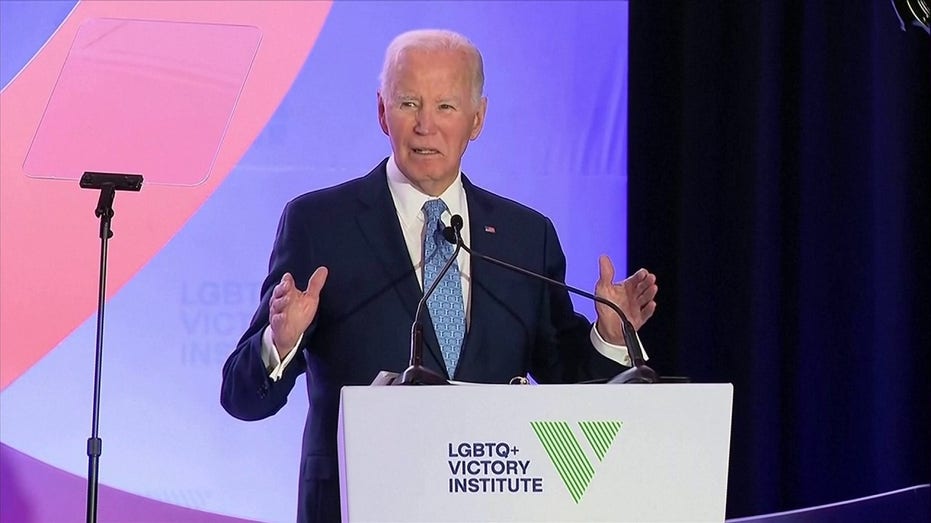
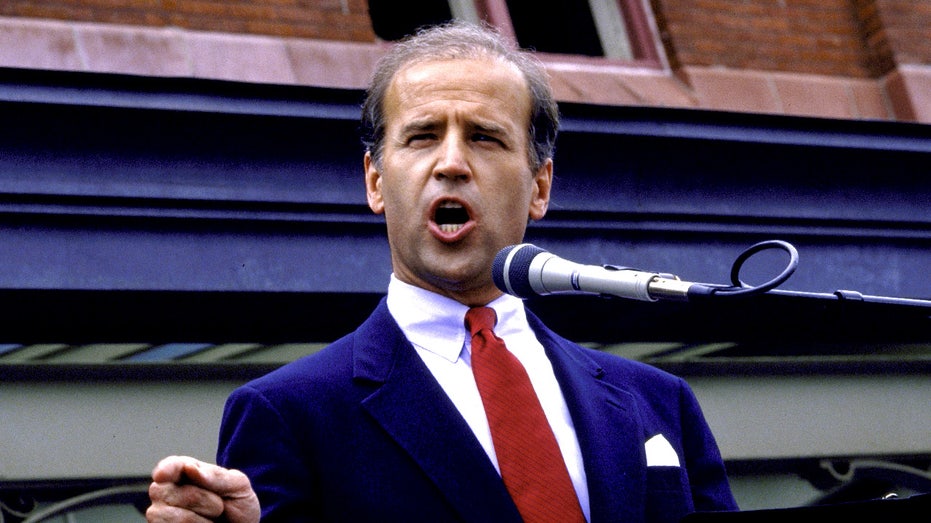
The resurgence of President Joe Biden’s 1989 Senate speech—where he implored for an "international strike force" against narco-terrorists flooding America with addictive drugs—uncovers deep continuities and tensions in U.S. drug policy. Viewed against the backdrop of today’s controversial military strikes on suspected narcotics traffickers under the Trump administration, Biden’s fiery rhetoric from the late Cold War era reveals how persistent anxieties about drugs have long intertwined with national security imperatives, international diplomacy, and domestic political contestation.
The Historical Roots of the U.S. War on Drugs and Narco-Terrorism Framing
In the late 1980s, the crack cocaine epidemic devastated urban America, spurring a bipartisan surge in aggressive law enforcement and foreign intervention policies. Biden’s 1989 response to President George H.W. Bush’s drug strategy highlighted concerns that drug cartels, especially in Colombia, had evolved into transnational narco-terrorists capable of challenging U.S. sovereignty and security. Invoking a "D-Day" scale military effort, Biden lamented the Bush administration’s incremental approaches, warning of a limited, costly war destined for stalemate. This language reflected a broader Cold War-era security mindset, where foreign threats were often militarized, and drug trafficking was cast as an asymmetric warfare front. It also drew on the painful awareness that drugs were inflicting deep societal harm domestically by affecting military readiness, workforce productivity, and family safety.
Yet beyond the rhetoric, the era’s drug war policies laid the groundwork for decades of debate over militarized responses versus public health approaches. The massive federal budget increases—$1.5 billion at the time—and foreign aid to Colombia constituted a strategic attempt to interdict drug flows abroad, but critics have highlighted how these efforts often exacerbated violence and human rights abuses while disproportionately targeting marginalized communities at home.
Implications of Biden’s 1989 Position for Today’s Drug Policy and Geopolitical Strategy
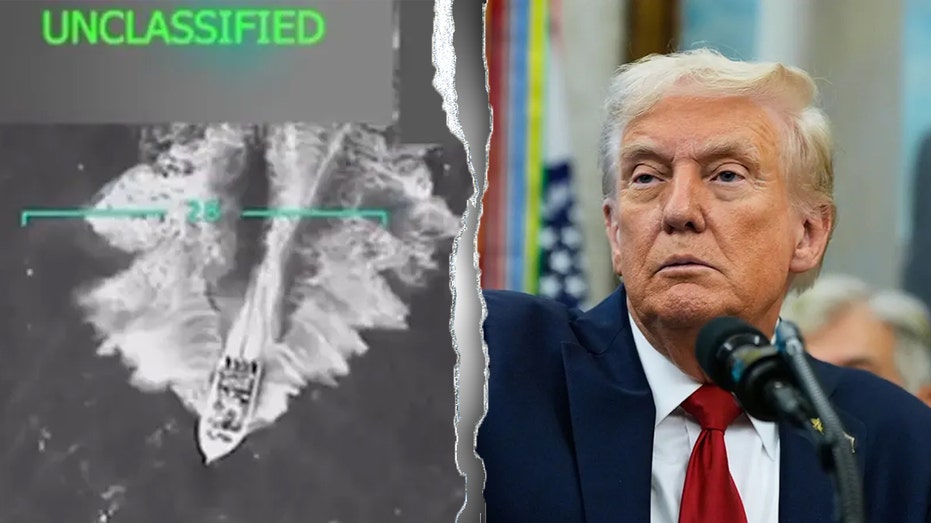
Fast forward to the Trump administration’s recent strikes on vessels suspected of trafficking drugs from Venezuela, Democrats’ critiques of alleged war crimes, and Republicans’ defense of executive authority—this dynamic echoes the debates Biden framed decades prior. The Trump administration’s framing of cartels as "transnational terror organizations" signals an explicit militarization of drug policy, deploying lethal force far beyond U.S. borders in the Caribbean, and raising questions about sovereignty, due process, and escalation risks.
This militarized approach mirrors Biden’s call for more direct action but illustrates the enduring tension between aggressive interdiction and concerns over legality, collateral damage, and regional destabilization. The strikes serve dual political and strategic aims: combating narcotics driving the opioid crisis that continues to wreak havoc domestically, and pressuring the Maduro regime amid Venezuela’s prolonged political crisis. The fusion of drug enforcement with regime change objectives blurs lines between counter-narcotics and counterinsurgency doctrines, highlighting risks of mission creep and unintended consequences.
Expert Perspectives: Historical Lessons and Contemporary Challenges
Experts such as Dr. Vanda Felbab-Brown, a senior fellow at the Brookings Institution specializing in drug policy and security, have cautioned that militarized interdiction often leads to displacement of drug routes rather than eradication, and can fuel violence and instability. She notes, "Efforts like those called for by Senator Biden in 1989, if unaccompanied by robust institutional reforms and international cooperation, risk perpetuating cycles of violence without sustainable gains."
Similarly, international law scholars emphasize legal and ethical challenges posed by extraterritorial strikes, especially when innocent lives may be caught in the crossfire. Former DEA officials acknowledge the complexity of engaging criminal-terrorist hybridity but warn against conflating all narco-trafficking with terrorism, as it risks expanding the military’s role into law enforcement territories that require different tactics and safeguards.
Data & Evidence: The Ongoing Drug Crisis and Enforcement Results
Despite decades of the war on drugs and billions spent on interdiction and enforcement, drug overdose deaths in the U.S. surged, hitting over 100,000 annually by 2021, driven largely by synthetic opioids like fentanyl. The geographic focus of trafficking networks has shifted repeatedly, with cocaine and heroin supply chains adapting to enforcement pressures.
Militarized strikes have disrupted some shipments but have not eradicated flows, often prompting traffickers to adopt more covert, diversified routes. The 22 strike operations reported under the Trump administration’s directive highlight an escalation in kinetic force, yet the broader question remains: how these operations fit into a comprehensive, effective drug strategy that balances enforcement, prevention, treatment, and international collaboration.
Looking Ahead: Watching for Policy Coherence and Regional Stability
As drug trafficking continues to challenge U.S. security and public health, future policy must navigate the trade-offs of militarization, sovereignty norms, and human rights. The Biden administration’s historical stance invites reflection—how can current efforts avoid the mistakes of past "limited war" approaches that produced stalemates and social harm?
Congressional oversight will be crucial as allegations of war crimes and executive overreach gather attention. Moreover, engagement with Latin American partners—balancing pressure on regimes like Maduro’s with respect for regional stability and democratic norms—will test U.S. strategy.
Finally, advancing comprehensive approaches that integrate community-based prevention, expanded treatment, and economic alternatives to drug production may prove as vital as military interdiction. Without this balance, the cycle of narcotics violence and political backlash is likely to persist.
The Bottom Line
Joe Biden’s 1989 demand for an "international strike force" against narco-terrorists presaged the continuing challenges of U.S. drug policy: the necessity of confronting a transnational threat, the pitfalls of purely militarized approaches, and the political complexities of addressing a crisis that simultaneously threatens public health and national security. Today’s debates over the Trump administration’s strikes reveal the persistent tension between force and law, urgency and legality, intervention and diplomacy. Understanding these dynamics is vital for crafting drug policies capable of achieving long-term peace and safety both domestically and in the Western Hemisphere.
Topics
Editor's Comments
The resurgence of Biden’s 1989 remarks forces us to confront an uncomfortable truth: the U.S. has long wrestled with framing drug trafficking simultaneously as a law enforcement challenge and a national security threat. This dual framing has driven increasingly militarized and extraterritorial strategies that, while politically expedient, risk entangling the U.S. in protracted conflicts that echo Cold War-era policy failures. Importantly, these approaches often overshadow the human costs—both in the U.S. and abroad—and the central role of domestic demand and public health. Going forward, policymakers must reckon with this legacy, balancing the urgency to act decisively against the need for sustainable, rights-respecting solutions that break, rather than perpetuate, cycles of violence.
Like this article? Share it with your friends!
If you find this article interesting, feel free to share it with your friends!
Thank you for your support! Sharing is the greatest encouragement for us.