EU Official’s Impunity Warning for Russia in Ukraine: A Historic Crossroads for Justice and Peace

Sarah Johnson
December 3, 2025
Brief
Analysis of EU officials warning that impunity for Russia over Ukraine could unravel international law, undermine deterrence, and threaten future global stability amid ongoing peace efforts.
Opening Analysis
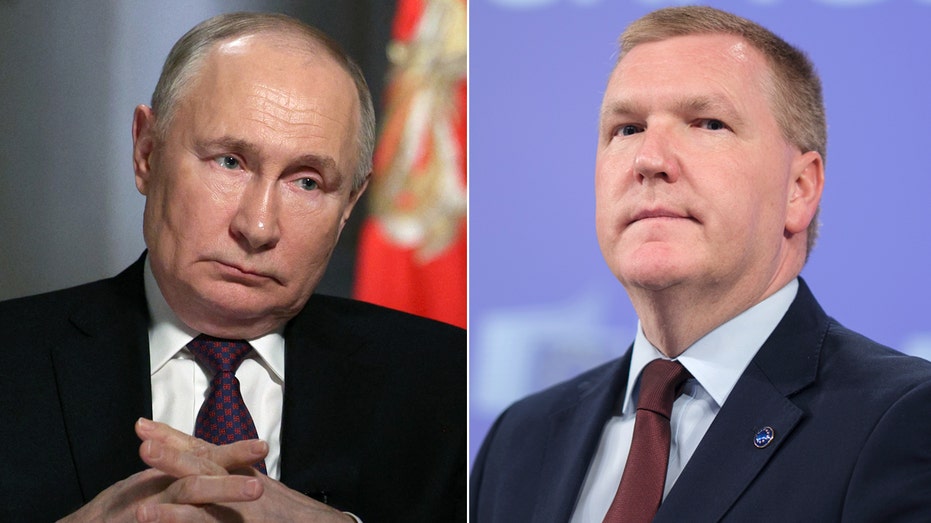
The recent statement from European Commissioner Michael McGrath warning against granting impunity to Russia for alleged crimes in Ukraine comes at a crucial crossroads in international diplomacy. As the Trump administration pursues peace talks between Russia and Ukraine, the EU official's remarks underscore a deep tension between realpolitik pragmatism and the imperative for accountability, reflecting broader challenges the world faces in addressing violations of international law. This is far more than a headline about diplomatic negotiations—it's a defining moment that could shape the post-Cold War international order and the global norms around justice, sovereignty, and conflict resolution.
The Bigger Picture
To understand the significance of McGrath’s warning, it’s essential to see it against decades of history on how the international community has confronted aggression, war crimes, and the principle of impunity. Since World War II, institutions like the United Nations and the International Criminal Court (ICC) were established precisely to deter and punish egregious violations, affirming that sovereignty cannot shield leaders from accountability.
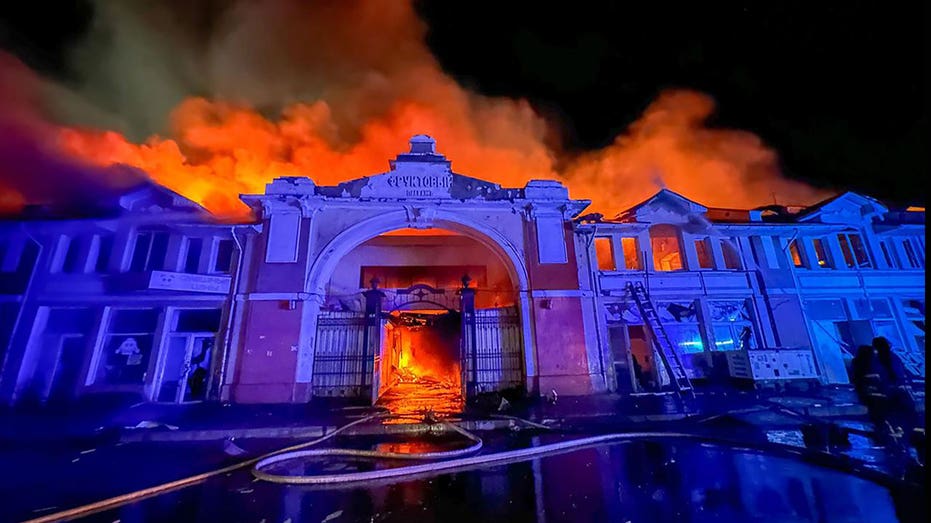
Russia’s 2014 annexation of Crimea and the 2022 full-scale invasion of Ukraine starkly challenged these postwar norms. The West responded with sanctions, diplomatic isolation, and efforts to document war crimes, but concrete enforcement mechanisms have consistently lagged behind rhetoric. McGrath’s comments echo fears voiced by historical advocates of international justice that any failure to hold Russia accountable would not just embolden Putin but could unravel decades of progress in upholding the rule of law globally.
Moreover, this stance must be understood within rising geopolitical friction between the West and Russia, which harkens back to Cold War-era confrontations, though with a more complex multipolar context today. The dynamics are not simply bilateral but involve China, NATO, and global economic interdependence, complicating consensus on how to navigate peace without sacrificing justice.
What This Really Means
McGrath’s assertion that allowing "impunity" could "sow the seeds of the next round of aggression" highlights a key insight from conflict studies: perceived lack of consequences for violations of international law tends to undermine deterrence and perpetuate cycles of violence. In other words, forgiving or ignoring Russia’s alleged crimes risks normalizing aggression as a viable foreign policy tool, weakening norms that have underpinned relative peace for decades.
This warning is especially salient given that peace negotiations often involve trade-offs. History shows that in numerous conflicts, peace deals brokered without accountability provisions sometimes resulted in fragile, short-lived ceasefires rather than lasting solutions. The EU official’s position reflects a principled but challenging line: peace achieved by "wiping the slate clean" risks embedding injustice and future instability.
On a more immediate level, this stance complicates the Trump administration’s peace efforts, which critics have accused of prioritizing expedient negotiations over comprehensive approaches to justice. While Ukraine's gratitude toward the U.S. hints at diplomatic goodwill, such tensions between short-term diplomacy and long-term justice remain unresolved.
Expert Perspectives
- Dr. Anna Fedorova, professor of International Law at University of Oxford, notes: "Accountability for war crimes is not only a moral imperative but a strategic necessity. A failure to prosecute such crimes risks encouraging authoritarian regimes to disregard treaties and international norms."
- Retired General Mark Thompson, former NATO military advisor, emphasizes the deterrence angle: "History tells us that when aggressive states face no consequences, it invites further violations. The EU’s stance signals an important line that must not be crossed if we want to prevent broader conflict escalation."
- Maria Ivanova, political analyst specializing in Eastern Europe, highlights internal EU dynamics: "There are factional divides within Europe between those prioritizing pragmatic engagement with Russia and those insisting on punitive measures. McGrath's strong language represents the latter camp gaining prominence amid growing public pressure."
Data & Evidence
Numerous reports from international organizations document substantial civilian casualties, forced displacements, and alleged war crimes in Ukraine since 2014, escalating sharply after 2022. Human Rights Watch estimates that over 15,000 civilians have been killed or injured during the conflict, with millions displaced internally or as refugees. The ICC began preliminary investigations in 2022 into alleged war crimes by Russian forces.
Economic sanctions imposed by the EU and allied countries have cost Russia an estimated $300 billion in lost GDP growth since 2022, yet the Kremlin’s war expenditures remain significant. This suggests a complex calculus in Moscow: Is the risk of punitive consequences worth the strategic gains sought in Ukraine?
Polling across EU nations shows rising public support for maintaining pressure on Russia and ensuring accountability, reflecting a shift since early 2022 when some voices favored rapid de-escalation for economic reasons.
Looking Ahead
Going forward, the key question is whether the international community can broker peace with justice. Will Russia be held accountable through war crimes trials, reparations, or other mechanisms? Alternatively, will realpolitik pressures lead to a tacit normalization of Russian gains, setting a dangerous precedent?
Meanwhile, the evolving role of the United States under the Trump administration may redefine Western engagement strategies—balancing diplomacy, sanctions, and support for Ukrainian sovereignty. The EU’s firm rhetoric signals it will resist any backsliding on justice, potentially complicating U.S.-EU coordination.
Also important to watch are moves within global institutions like the UN and ICC, whose legitimacy and effectiveness depend on states’ willingness to back enforcement measures. The geopolitical rivalry with China may further complicate consensus, as Beijing tends to oppose measures perceived as Western-led punitive actions.
Finally, public opinion in Europe and Ukraine will likely pressure policymakers to sustain robust accountability frameworks, influencing election outcomes and policy directions in the years ahead.
The Bottom Line
Michael McGrath’s warning against impunity for Russia in Ukraine signals a pivotal moment in how the international order confronts aggression and upholds justice. Granting Russia a free pass risks undermining decades of legal and normative progress, weakening deterrence, and potentially inviting further conflicts. While peace remains a vital goal, it cannot come at the cost of erasing accountability without dire long-term consequences. The coming months will test the resilience of international institutions and alliances committed to balancing diplomacy, justice, and security in an increasingly complex world.
Topics
Editor's Comments
This moment vividly illustrates the difficult balance between diplomacy and justice in international conflicts. The EU’s firm line serves as a sobering reminder that peace at any cost can lead to dangerous precedents undermining the very foundations of global security. It raises pressing questions about how international institutions can evolve to enforce accountability more effectively without hindering urgent peacemaking efforts. Moreover, the US role highlights divergences among Western partners that could shape future alliances and strategies. Observers should watch closely whether this insistence on justice alters the trajectory of the Ukraine war and how similar conflicts might be addressed in the future.
Like this article? Share it with your friends!
If you find this article interesting, feel free to share it with your friends!
Thank you for your support! Sharing is the greatest encouragement for us.