
Drone Dominance: How the U.S. Military’s Massive Drone Push Will Redefine Future Warfare

Sarah Johnson
December 3, 2025
Brief
An in-depth analysis of the U.S. military's ambitious drone dominance push, unpacking its historical context, strategic implications, expert views, and the profound transformation it signals for future warfare.
Opening Analysis
The announcement by War Secretary Pete Hegseth regarding the United States' strategic push for "Drone Dominance" represents a significant paradigm shift in modern military doctrine. Moving from traditional manned platforms to a mass deployment of unmanned systems signals a recalibration of defense priorities driven by cost-efficiency, technological evolution, and evolving geopolitical threats. This initiative is not merely about fielding more drones; it is a response to fundamental challenges in contemporary warfare—ranging from the proliferation of low-cost threats to the demands of asymmetric conflicts.
The Bigger Picture
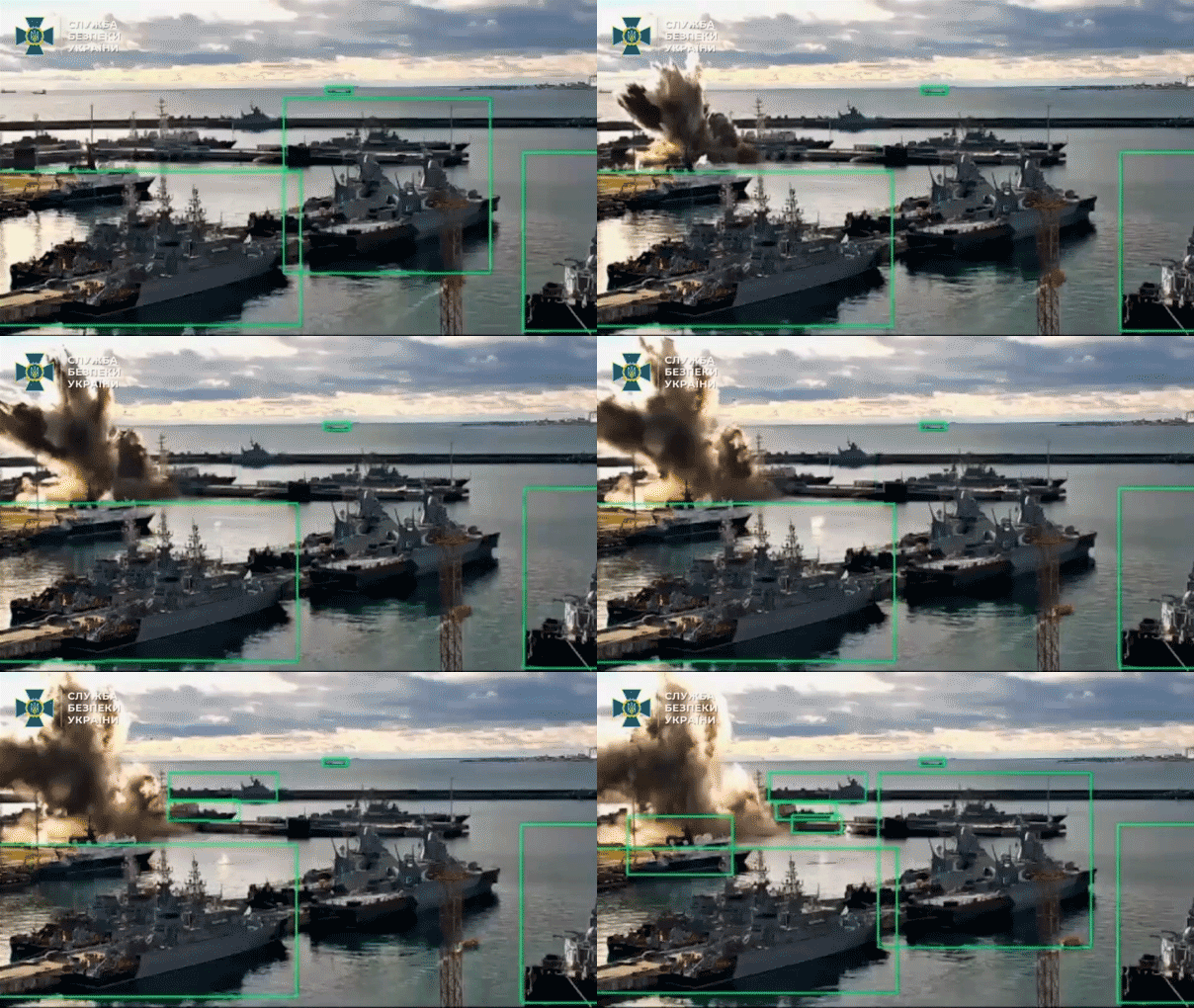
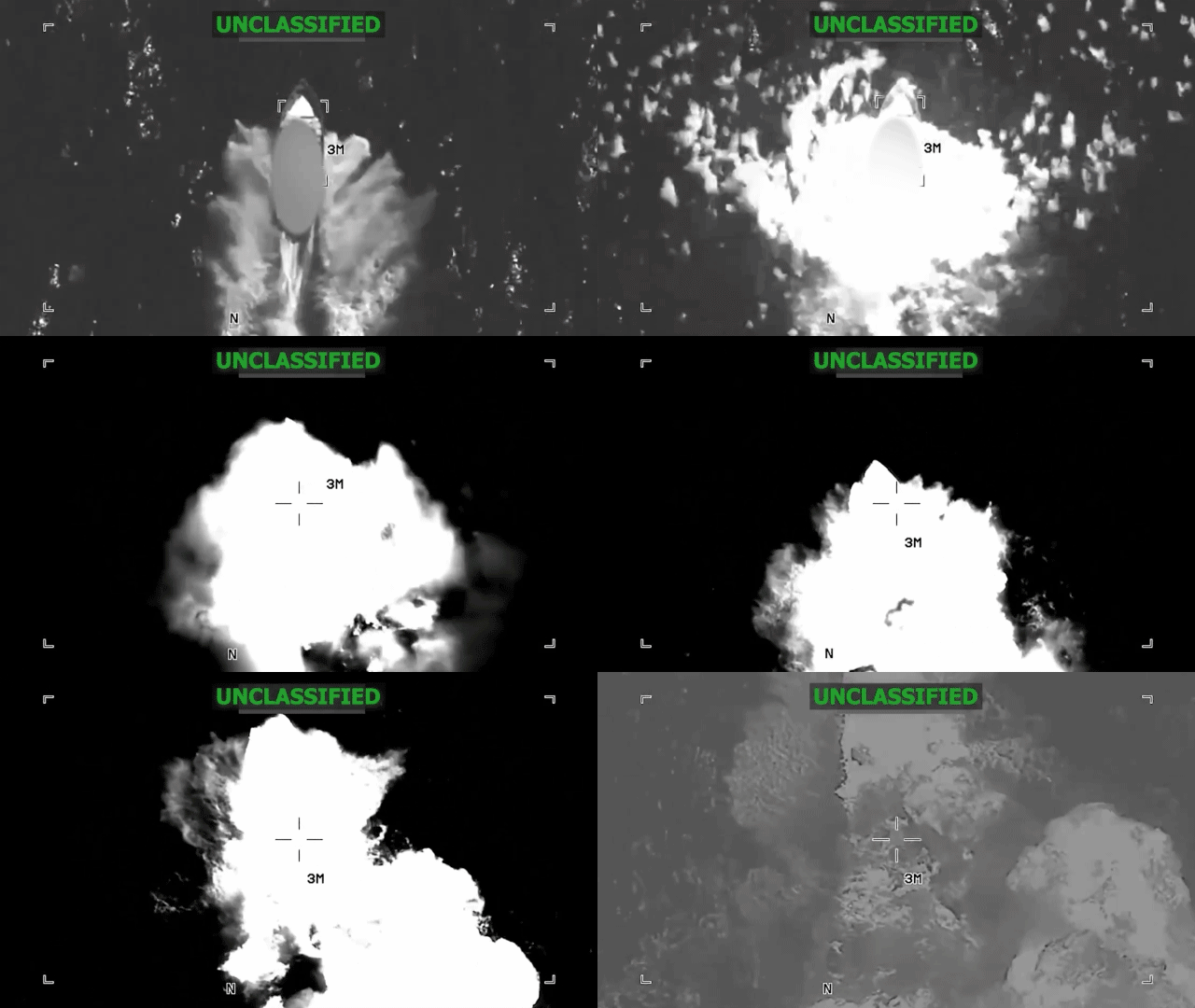
Historically, military transformation has been sparked by technological innovation, from the introduction of gunpowder to nuclear weapons. The rise of drones continues this pattern, but with unique characteristics. Since the early 2000s, drones have evolved from niche reconnaissance assets into tactical attack platforms, exemplified by their extensive use in counterinsurgency campaigns. However, recent conflicts, notably in Ukraine and the Middle East, have shown how small, inexpensive drones can dramatically alter the battlefield dynamic, enabling new forms of surveillance, precision strikes, and swarm tactics.
Secretary Hegseth's proposal to field "hundreds of thousands" of drones by 2027 reflects an acknowledgment that future wars will be fought at scale by autonomous or semi-autonomous systems. This builds upon decades of investment in unmanned aerial vehicles (UAVs), but the scale and ambition are unprecedented, aiming to democratize drone access down to the squad level.
What This Really Means
The shift towards widespread drone deployment has immediate tactical and strategic implications. First, the cost asymmetry highlighted by Hegseth—using expensive missiles to destroy cheap drones—is untenable. Mass-production and modular design can lower costs per unit and allow the U.S. military to saturate the battlefield, overwhelming adversaries' defenses and complicating their targeting calculus.
Furthermore, equipping soldiers with their own man-portable drones changes ground combat fundamentally. Units gain organic intelligence, surveillance, and reconnaissance (ISR) assets, increasing situational awareness and reducing reliance on centralized command structures. This decentralization aligns with trends in modern warfare emphasizing agility and networked operations.
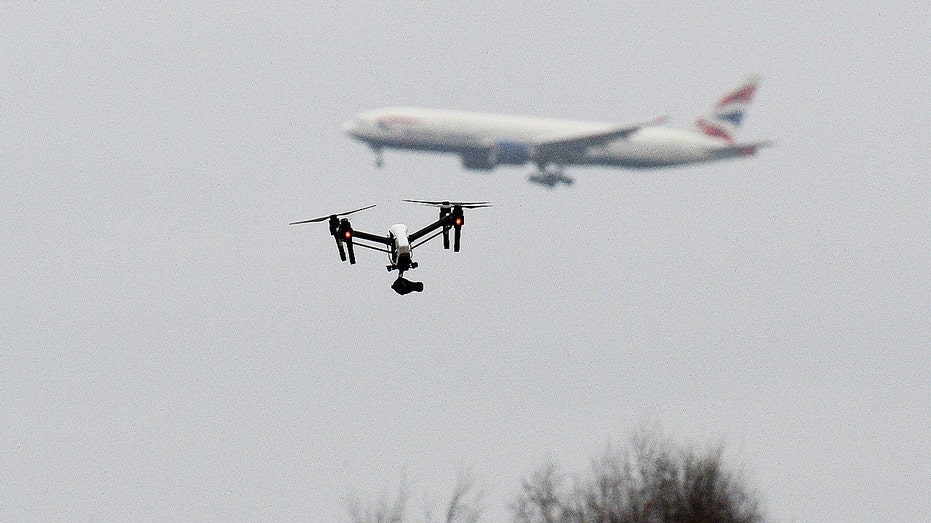
However, such proliferation presents challenges including airspace management, electronic warfare vulnerabilities, cybersecurity risks, and questions about command and control of autonomous systems. Integrating these drones into joint operations—and avoiding fratricide—will require doctrinal and training innovations.
Expert Perspectives
Military strategist Dr. Emily Thompson of the Center for Defense Innovation notes, "The scale of UAV deployment envisaged demands rethinking not just equipment, but doctrine. The U.S. must develop robust countermeasures against drone swarm tactics, electronic jamming, and cyber vulnerabilities. Drone dominance is as much about defending against drones as it is about using them."
Elon Musk, a key technology influencer, underscores the existential need for such capabilities: "We better figure out how to build drones at scale fast or we are doomed to be a vassal state." His emphasis reinforces how private sector innovation, particularly in manufacturing and AI, will be decisive in operationalizing drone warfare.
Data & Evidence
Emerging data from recent conflicts reveals a striking increase in drone usage. In Ukraine's war, commercial off-the-shelf drones have been credited with successful reconnaissance and precision strikes, with estimates suggesting over 10,000 UAVs deployed by various forces since 2022. The cost differential is notable—where a $1,000 drone can threaten assets requiring $1 million missiles to neutralize.
Budgetary allocations reflect this trend. The Department of Defense reportedly devoted $2 billion in 2025 alone to drone research, development, and procurement programs, a marked increase from prior years. Secretary Hegseth's reference to the "billion-dollar program funded by President Trump's Big Beautiful Bill" refers to expanded legislative funding specifically targeting scalable drone manufacturing capabilities.
Looking Ahead
The drive towards drone dominance will accelerate the militarization of AI and autonomous systems, raising ethical and legal challenges. Autonomous lethal technologies may force new international norms or arms control agreements. Additionally, adversaries will likely escalate countermeasures, such as anti-drone electronic warfare, cyber-attacks, and kinetic interception systems.
On the battlefield, expect a transition to multi-domain operations where drones collaborate with manned platforms, satellites, and cyber forces in real time. This interconnectedness could improve decision-making speed but increases vulnerability to cascading system failures.
Strategically, mass drone deployment lowers barriers to entry for smaller state and non-state actors, potentially increasing regional instability. The U.S. push must anticipate proliferation consequences and invest in defensive technologies accordingly.
The Bottom Line
Secretary Hegseth's drone dominance initiative marks a once-in-a-generation military transformation focused on cost-efficiency, scalability, and technological integration. While promising to enhance U.S. military agility and battlefield awareness, it simultaneously demands new doctrines, countermeasures, and ethical frameworks. As drones shift from niche assets to ubiquitous tools, the character of war itself will fundamentally evolve.
Topics
Editor's Comments
Secretary Hegseth's aggressive commitment to drone dominance signals a critical turning point in how the U.S. envisions future conflicts. Unlike past technological shifts driven by singular innovations, drones represent a systemic revolution demanding changes at the doctrinal, operational, and ethical levels. What intrigues me most is the tension between rapid adoption and the complexity of integrating autonomous systems without compromising command integrity or increasing vulnerabilities. It will be essential to watch how the Pentagon balances innovation with caution, especially under pressure to keep pace with adversaries investing heavily in electronic and cyber countermeasures. This initiative also raises profound questions about the human role in future warfare—where decisions may increasingly be delegated to machines—and the international norms that may evolve in response. This is far more than a procurement program; it’s a harbinger of war’s next era.
Like this article? Share it with your friends!
If you find this article interesting, feel free to share it with your friends!
Thank you for your support! Sharing is the greatest encouragement for us.