UK’s Drone Surveillance Expansion: Balancing Public Safety and Civil Liberties

Sarah Johnson
December 3, 2025
Brief
An in-depth analysis of the UK's rapid expansion of drone surveillance by local authorities, exploring historical context, civil liberties risks, expert views, and future regulatory challenges.
Opening Analysis
The recent surge in local authority drone deployment across the UK marks a significant inflection point in the nation’s surveillance landscape. While drones can enhance public safety and operational efficiency, their widespread use by councils risks escalating concerns about government overreach and civil liberties erosion in a society already surveilled extensively by CCTV networks. This development is not merely a technological upgrade but a potential paradigm shift in how surveillance is conducted, raising critical questions about oversight, transparency, and the balance between security and privacy.
The Bigger Picture
The UK has long held a contentious position as one of the world’s most monitored countries, with an extensive network of closed-circuit television (CCTV) cameras in public spaces dating back to the 1990s. Originally justified as a measure against rising crime and terrorism threats, the CCTV boom normalized persistent observation of citizens by state and local authorities.
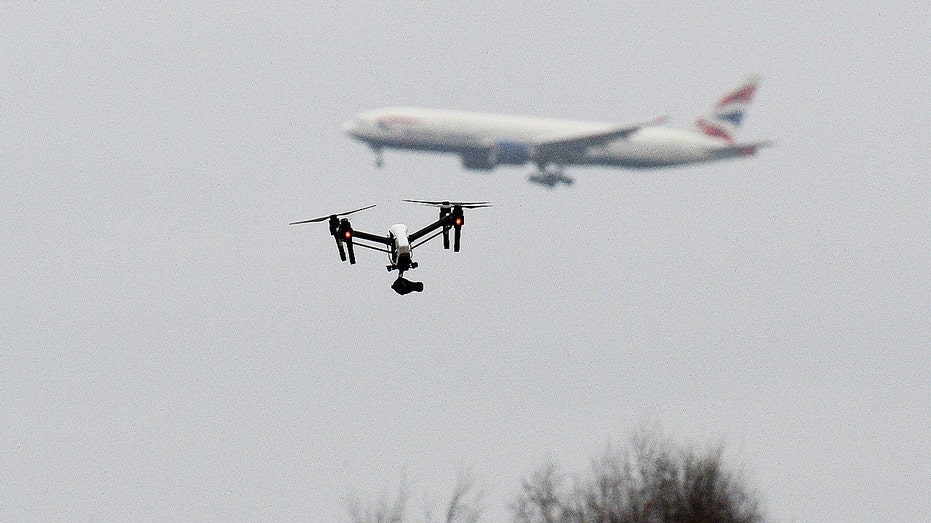
The growing deployment of drones as reported highlights the evolution of surveillance technologies from static cameras to dynamic, mobile aerial platforms that can extend monitoring reach dramatically. This trend echoes broader historical shifts in surveillance practice globally—where governments leverage advanced technologies to maintain social order, often outpacing the regulatory frameworks designed to protect individual freedoms.
The Civil Aviation Authority’s data showing certified drone operators employed by 60+ UK councils—and indications that the actual number may be higher—signals the rapid institutionalization of drone programs beyond pilot or limited trials to near-normalized usage. Councils like Sunderland leading with large drone fleets mirror similar pilot expansions observed in law enforcement agencies worldwide, grappling with manpower shortages and the desire for cost-effective policing tools.
What This Really Means
This widespread drone integration reveals several underlying motivations and consequences:
- Operational Efficiency: Councils face budget cuts and staffing challenges; drones offer a cheaper, faster alternative for tasks such as monitoring antisocial behavior, environmental enforcement, and crowd control.
- Surveillance Expansion: The mobility and vantage aerial drones provide vastly amplify surveillance capabilities, allowing constant, real-time observation of wider areas without the need for visible police presence, potentially altering public behavior due to perceived omnipresence.
- Civil Liberties Risks: Without clear, enforceable policies governing drone use, there is significant risk of 'mission creep'—drones could be repurposed to monitor lawful protests or gather intelligence beyond stated objectives, deepening public distrust and chilling democratic freedoms.
- Technology Layering: Coupled with existing CCTV networks and facial recognition systems, drones represent a multiplying effect on surveillance granularity, raising ethical questions on proportionality and necessity.
- Privacy vs. Security Balance: The official rationale often emphasizes public safety, yet activist groups like Big Brother Watch highlight the urgent need for transparent safeguard mechanisms to prevent unchecked governmental surveillance abuses.
Expert Perspectives
Jake Hurfurt, head of research at Big Brother Watch, encapsulates these concerns: "Britain is already one of the most surveilled countries on Earth. With CCTV cameras on street corners, we do not need flying cameras too. Councils must make sure that they do not use this technology for intrusive monitoring of their citizens." His warning that drones could evolve into airborne CCTV, especially absent robust regulations, reflects widespread apprehension among privacy advocates and civil rights experts.
Dr. Clive Norris, a surveillance studies professor at the University of Leicester, contextualizes this within a historical trajectory: "The shift from static cameras to drones signals a new phase of surveillance marked by mobility and real-time responsiveness, which fundamentally changes the power dynamics between watchers and the watched. This requires urgent policy innovation to safeguard rights."
Meanwhile, law enforcement officials argue drones fill operational gaps amid budget constraints and provide non-intrusive support during emergencies or investigations, highlighting a clash between practical policing needs and privacy imperatives.
Data & Evidence
- The UK hosts an estimated 6.3 million CCTV cameras, a density unmatched by most Western democracies.
- Over 60 local authorities have certified drone operators, with indications that many others plan to adopt drone programs, reflecting rapid uptake since around 2020.
- Some councils operate drone fleets numbering over a dozen aircraft (e.g., Sunderland), with drones contributing to thousands of fines and ordinance enforcements annually.
- Studies show drone surveillance can reduce crime rates in targeted areas but also correlate with increased public unease and perceptions of invasiveness.
- Polls indicate a growing public skepticism on drone use for routine policing, with majority supporting their use only for narrowly defined emergencies or infrastructure monitoring.
Looking Ahead
The rapid expansion of drone deployments by UK councils suggests several key trends and areas to monitor:
- Regulatory Evolution: Will Parliament or the Civil Aviation Authority implement clear statutory frameworks delineating permissible drone uses, transparency mandates, and accountability mechanisms?
- Technology Integration: The convergence of drones with AI-powered facial recognition and data analytics could create unprecedented surveillance ecosystems, potentially eroding anonymity in public spaces.
- Public Pushback: As awareness and unease grow, civil society may demand more rigorous privacy protections, potentially leading to legal challenges or calls for moratoria on certain drone applications.
- International Influence: The UK’s drone policies may set precedents influencing surveillance practices in other democracies balancing innovation and rights.
- Counter-Surveillance Innovations: New technologies aimed at detecting and limiting drone surveillance may emerge as part of a broader resistance to intrusive monitoring.
The Bottom Line
The UK’s embrace of drones by local councils epitomizes the complex trade-offs facing modern democracies: harnessing emerging technologies for public benefit while safeguarding individual freedoms from technological overreach. The critical challenge lies in establishing transparent, democratic controls and meaningful public dialogue before drone surveillance becomes an entrenched, Orwellian fixture in everyday life.
Topics
Editor's Comments
The rapid integration of drones into UK local governance raises profound questions about the nature of consent and transparency in surveillance practices. While drones promise operational efficiencies, the lack of clear, enforceable policies means mission creep is not just possible but probable. Democratic societies must urgently demand that drone use does not outpace legal safeguards or public understanding. Otherwise, the UK risks normalizing a 'spy in the sky' reality that could chill free expression and erode trust between citizens and their governments. It’s a reminder that technology adoption should never sidestep ethical and civil rights considerations.
Like this article? Share it with your friends!
If you find this article interesting, feel free to share it with your friends!
Thank you for your support! Sharing is the greatest encouragement for us.