Decoding the Trump-Backed Release of Caribbean Strike Footage: Legal Battles and Geopolitical Stakes

Sarah Johnson
December 4, 2025
Brief
An in-depth analysis of the Trump administration's decision to release controversial second strike footage in the Caribbean, exploring legal, geopolitical, and historical implications amid growing scrutiny.
Why the Release of Second Caribbean Strike Footage Matters
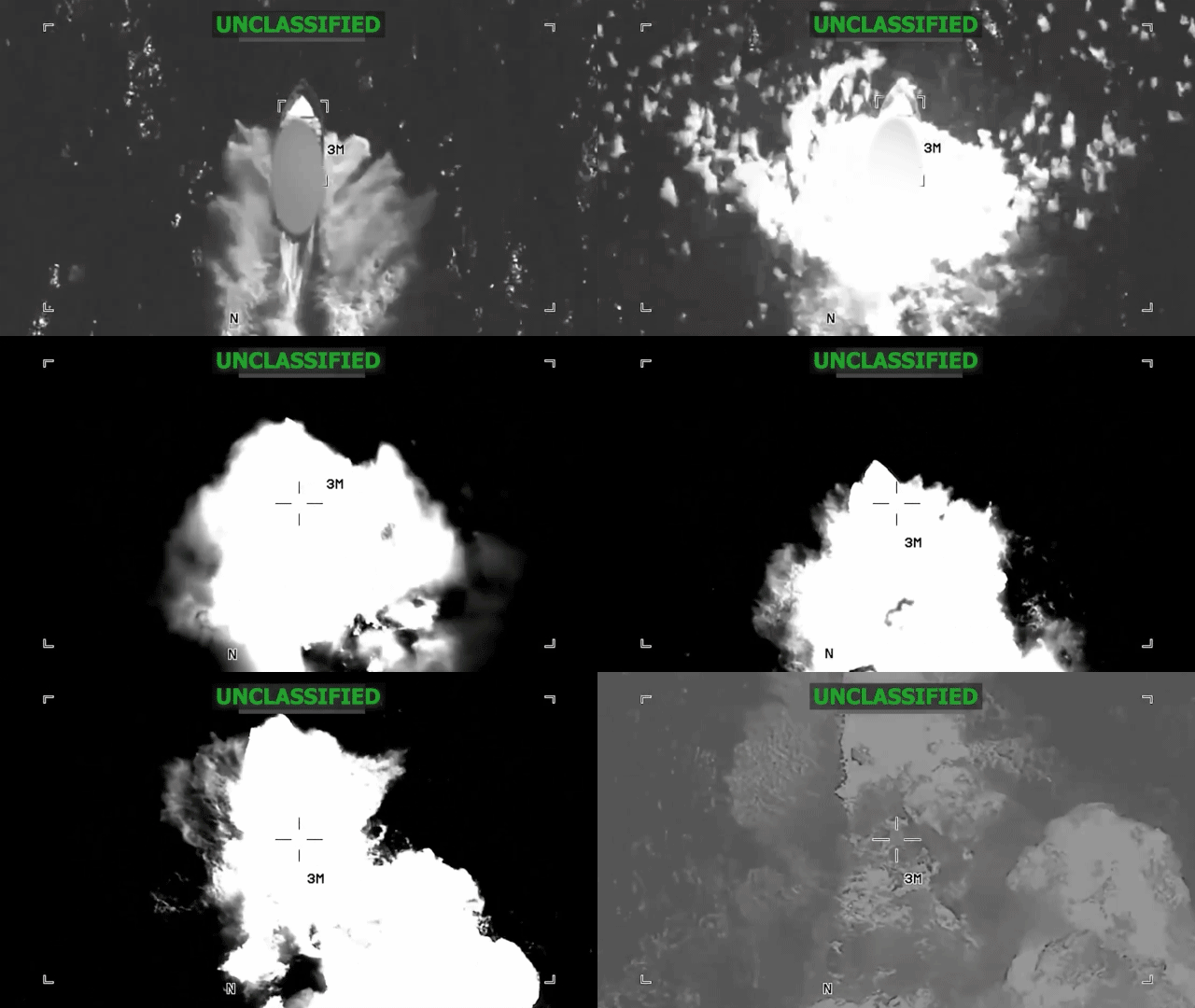
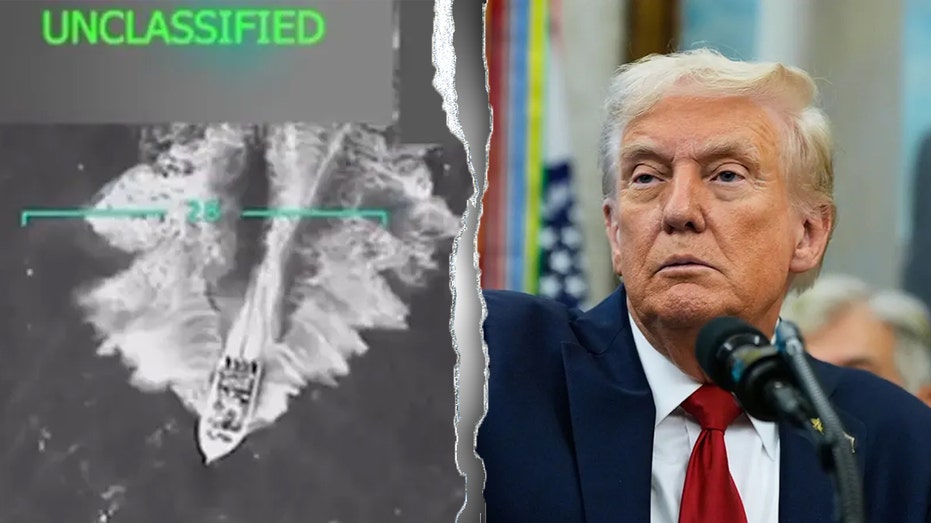
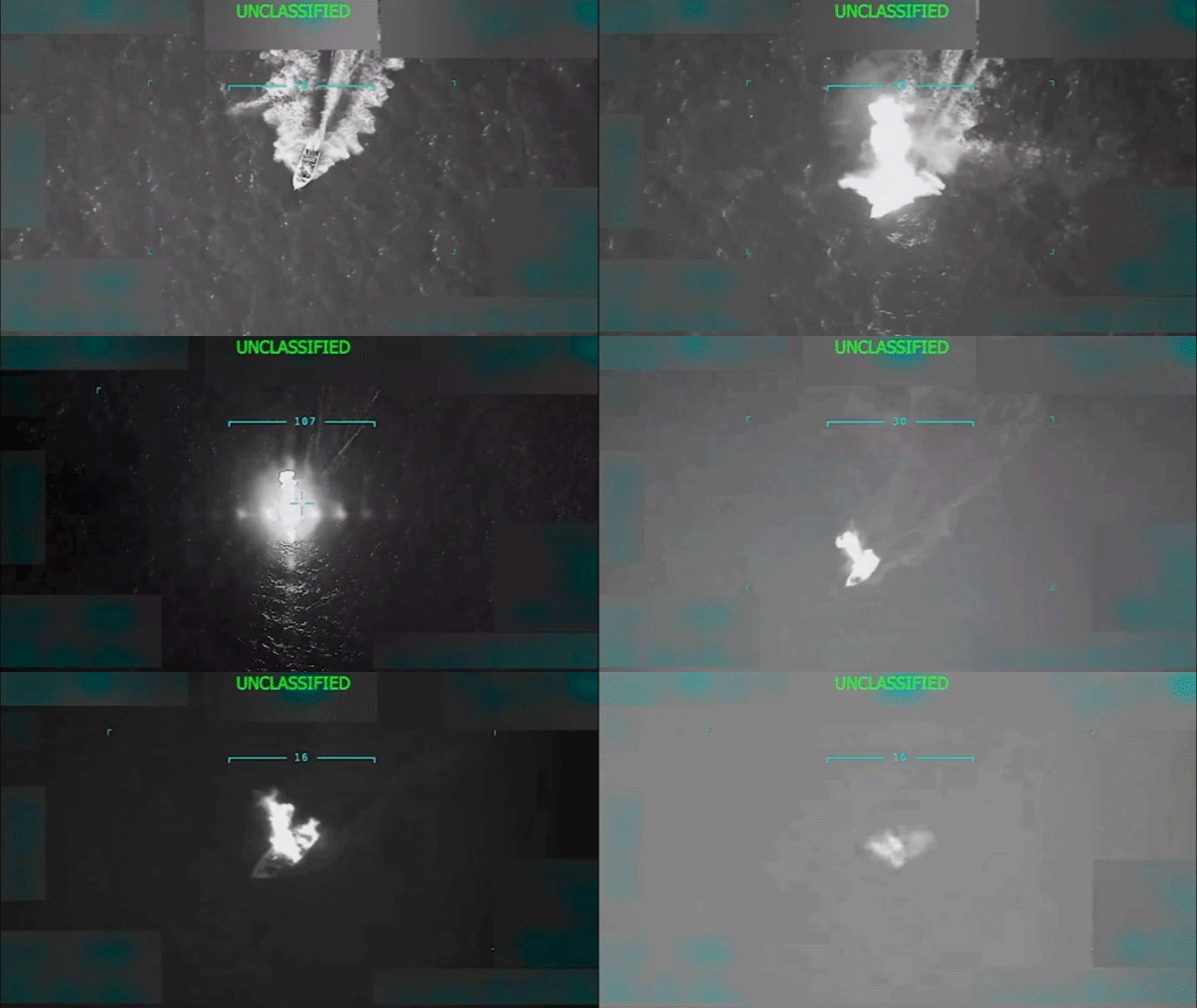
The Trump administration’s decision to back the release of video footage from a controversial second strike against an alleged drug trafficking vessel reflects deepening tensions around U.S. counter-narcotics operations in the Caribbean. Beyond the surface, this episode exposes broader questions about the legal justifications for military actions in international waters, the expanding scope of U.S. military involvement in Latin America, and the evolving politics of executive war powers. Understanding this moment requires peeling back layers of historical U.S. interventions, scrutinizing the interplay between national security claims and human rights concerns, and considering how these operations fit into larger geopolitical strategies.
The Legacy and Expansion of U.S. Military Actions in Latin America
The Caribbean and Latin America have long been focal points of U.S. military and political engagement, dating back to the Monroe Doctrine and Cold War-era interventions aimed at limiting Soviet influence. In recent decades, the so-called "War on Drugs" has been the primary justification for U.S. operations targeting narcotics trafficking, with mixed results. The current strikes represent an intensification of kinetic actions authorized under an increasingly permissive executive framework, using special operations forces to interdict drug shipments far offshore.
Historically, these efforts have sparked controversy over sovereignty, civilian casualties, and adherence to international law. The recent revelation of a second strike after survivors remained aboard revives ethical and legal debates about proportionality and use of force that echo past incidents such as the Iran-Contra affair and controversies over drone strikes in the War on Terror.
Implications of the Second Strike and the Call for Transparency
The administration’s agreement to release the second strike footage signals an attempt to manage political fallout amid mounting scrutiny from Congress and the public. The White House faces allegations that orders were given to kill everyone aboard the vessel, raising profound concerns about legality and human rights obligations. While officials have disputed the exact nature of these orders, the calls for transparency underscore the increasing demand for accountability in covert or semi-covert military operations.
This episode highlights the challenges of balancing operational secrecy, a cornerstone of special operations, with democratic oversight. The involvement of high-ranking officers such as Adm. Frank "Mitch" Bradley and Secretary Pete Hegseth adds layers of complexity to the narrative, pointing to the blurred lines between military initiative and civilian control in sensitive counter-narcotics and counterterrorism campaigns.
Expert Perspectives on Legality and Strategic Consequences
Legal scholars emphasize that the use of lethal force against vessels in international waters must meet rigorous standards under maritime law and international humanitarian law. Professor Sarah Knuckey of NYU School of Law notes, "Even in counter-narcotics operations, the principles of necessity and proportionality apply, and targeting survivors poses serious questions about compliance." Military strategists warn that such aggressive tactics risk escalating tensions with Latin American nations and could feed anti-American sentiment.
Political analysts such as Dr. Carlos Rios from the Latin American Studies Institute highlight that these strikes may reflect a broader shift toward "offshore warfare," where the U.S. exert influence without formal declarations of war, complicating legal and ethical scrutiny. The renewed war powers resolution push in Congress indicates growing bipartisan unease about executive overreach in using armed forces without explicit legislative approval.
Data & Trends: Escalation Amid Political Pushback
More than 20 strikes have been conducted against suspected drug vessels in the Caribbean and surrounding Latin American waters under the current administration, representing a significant uptick compared to previous years. Though touted as a critical element of drug interdiction efforts, official data on the disruption of trafficking routes or long-term impacts on drug flows remains inconclusive. Meanwhile, migration patterns remain heavily influenced by regional instability, with some experts linking intensified military operations to deteriorating geopolitical dynamics.
Looking Ahead: What to Watch
Several developments will shape this issue's trajectory over the coming months:
- Congressional Oversight and War Powers: This episode may galvanize further legislative efforts to restrict executive military actions, testing the balance between national security prerogatives and democratic controls.
- Legal Challenges: Potential investigations into the legality of the strikes and reports of lethal orders could lead to judicial or international scrutiny.
- Regional Diplomatic Relations: Latin American governments are likely to demand more transparency and respect for sovereignty, influencing U.S. foreign policy and regional security cooperation.
- Opportunities for Reform: This controversy might prompt reassessment of U.S. counter-narcotics strategies, favoring multilateral collaboration over unilateral military force.
The Bottom Line
The announcement by the Trump administration to release second strike footage is more than a gesture toward transparency; it is a window into the complex, often contested nature of modern U.S. military operations in Latin America. The tensions between aggressive counter-narcotics tactics and legal, ethical standards are coming to a head, forcing a national reckoning on oversight and the future of American engagement in the region. Careful analysis reveals this episode is emblematic of broader challenges in how democratic societies wield military power abroad in the 21st century.
Topics
Editor's Comments
This controversy over the second Caribbean strike encapsulates a critical moment where cold operational calculus, legal frameworks, and democratic norms collide. It forces us to question how far governments should be able to push the limits of military force in ambiguous theaters like the "war on drugs," especially when transparency is minimal and oversight mechanisms lag. Equally, this incident should prompt broader reflection on whether kinetic strikes effectively address the root causes of narcotics trafficking or simply shuffle the problem covertly. The bipartisan political actions in Congress suggest this won't be the last time we see intense scrutiny of executive military actions without clear mandates—highlighting an enduring struggle over the balance of power in U.S. foreign policy.
Like this article? Share it with your friends!
If you find this article interesting, feel free to share it with your friends!
Thank you for your support! Sharing is the greatest encouragement for us.