Beyond the Game: The Cultural Significance of Fantasy Football Punishments Through the Lens of Spice Adams

Sarah Johnson
December 5, 2025
Brief
An in-depth analysis of fantasy football punishments reveals their cultural significance in sports fandom, exploring how rituals like endurance challenges and spicy food trials foster camaraderie, competition, and identity within the community.
Why Fantasy Football Punishments Matter Beyond the Locker Room
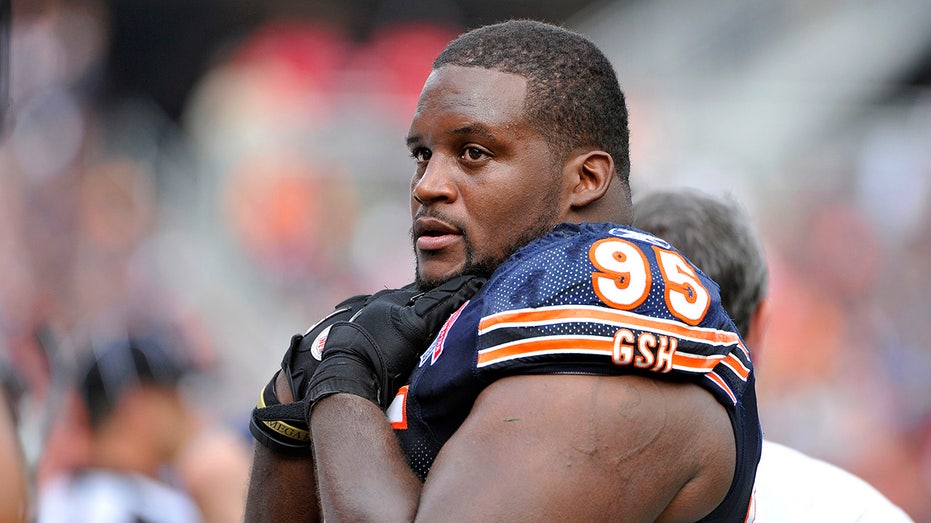
Fantasy football has evolved far beyond casual weekend fun into a cultural phenomenon with millions of participants nationwide. For many, it's a high-stakes, fiercely competitive arena where bragging rights carry serious weight. The conversation with former NFL defensive lineman Spice Adams highlights a lesser-known but culturally significant facet of the fantasy football experience: punishments for the lowest-performing players. However humorous or lighthearted on the surface, such traditions illuminate deeper social dynamics around competition, camaraderie, and community within sports fandom.
The Bigger Picture: From Roots to Rituals
Fantasy football began as a niche pastime in the 1960s but surged into mainstream popularity with the rise of the internet and digital score tracking in the early 2000s. As participation ballooned—ESPN alone reported hosting leagues with millions of players by the 2010s—the stakes began to rise. Punishments for the last-place finisher emerged organically as a way to keep engagement high throughout the season and to create memorable, often socially bonding experiences.
These punishments range from harmless pranks to elaborate public humiliations, but what Spice Adams shared about "bar opening to closing" endurance challenges and consuming ultra-spicy foods like the "Humble Pie" goes beyond typical dares. They function as ritualized acts of accountability and communal entertainment, reinforcing group identity and competitive spirit.
What This Really Means: Social and Psychological Layers
Adams’ colorful description of a punishment involving spending hours in a bar from opening to closing, consuming alcohol hourly, taps into longstanding social aspects of American sports culture linked with endurance, camaraderie, and sometimes excess. On one level, such activities signal participant toughness and a willingness to accept consequences, mirroring traits admired in professional athletes themselves. Yet, these punishments also expose the thin line between fun and risk, hinting at the challenges of alcohol consumption norms within sporting communities.
Meanwhile, the alternative punishment Adams recommends—the "Humble Pie" pizza featuring superhot Carolina Reaper sauce and ghost peppers—illustrates a trend towards extreme, sensory-based challenges that avoid some physical risks of alcohol but ramp up intensity through discomfort and resilience testing. The careful precautions Adams mentions with gloves and goggles underscore the severity of the spice level, making it not merely a jest but a serious physical trial. This also reflects broader cultural fascination with extreme foods and challenges as social performance.
Adams’ self-reflection on how these punishments could "destroy his soul" reflects a deeper understanding of personal limits and community rituals. For former professional athletes transitioning away from the hyper-competitive pro sphere, fantasy leagues and their punishments become symbolic ways to retain connection to the game’s intensity and social bonding, even while navigating changed physical capacities.
Expert Perspectives
Dr. Jason K. Smith, Sports Psychologist: "Fantasy football punishments act as a mechanism for group cohesion and behavioral regulation, reinforcing the stakes of competition even in amateur settings. They foster narratives of perseverance and consequence, similar to initiation rites in sports teams."
Professor Linda Martinez, Sociologist of Sport: "These rituals emphasize communal identity. They're less about public humiliation and more about shared experience, bonding through challenge. The use of extreme foods or endurance tasks aligns with modern rites of passage adapted for adult recreational culture."
Dr. Emily Chen, Public Health Expert: "While such punishments can boost camaraderie, they also raise concerns around responsible alcohol consumption and physical safety, especially with extreme spicy foods that can cause health issues if not managed properly. Awareness and moderation are key."
Data & Evidence
Recent surveys estimate over 60 million Americans participate in fantasy sports; football remains the dominant discipline, representing 55% of all fantasy sports players. According to the Fantasy Sports & Gaming Association, over 80% of leagues report having some form of punishment or consequence for the last-place finisher, underscoring how ingrained these rituals have become. However, a 2023 study in the Journal of Sports and Social Psychology found that leagues with positive, socially reinforcing punishments experienced higher season-long engagement rates compared to leagues with harsh or humiliating penalties.
Looking Ahead: Future of Fantasy Football Traditions
As fantasy football’s demographic diversifies and digital platforms evolve, we can expect punishments to adapt as well. Virtual reality and augmented reality may offer new immersive punishment experiences, potentially reducing physical risks while maintaining social impact. Meanwhile, increased awareness around health and safety could shift leagues toward punishments focusing on humor and camaraderie rather than physical extremes.
Moreover, as professional athletes like Spice Adams publicly engage in fantasy football culture, they help legitimize and humanize these rituals, fostering cross-generational connections between pro players and fans. This could broaden the spectrum of fantasy football activities into areas like charity challenges or skill-based competitions, transforming punishments into positive, community-building events.
The Bottom Line
The discussion of fantasy football punishments with Spice Adams reveals how deeply these traditions reflect broader societal values around competition, endurance, community, and identity. Far from mere jest, such rituals function as modern rites of passage within the fast-growing fantasy sports culture, balancing fun with risk, and bonding with rivalry. Understanding these dynamics offers valuable insight into how sports fandom continues to evolve in the digital age, blurring lines between athlete and fan, game and social performance.
Topics
Editor's Comments
This piece reveals how fantasy football punishments serve as more than lighthearted penalties; they are contemporary rites that reinforce social bonds and competitive culture within sports fandom. Spice Adams’ reflections illuminate the complexity and nuance of these practices, balancing humor with caution. As fantasy football continues its explosive growth, it’s crucial to examine these rituals through cultural, psychological, and health lenses. Are leagues doing enough to ensure these punishments foster positive group identity while minimizing risk? Could fantasy football communities pioneer new forms of engagement that retain tradition but embrace inclusivity and safety? These are important questions that merit ongoing scrutiny as the sport-entertainment ecosystem evolves.
Like this article? Share it with your friends!
If you find this article interesting, feel free to share it with your friends!
Thank you for your support! Sharing is the greatest encouragement for us.