Beyond Kitsch: What the Booming Cat-Themed Gift Market Reveals About Pet Humanization and Consumer Culture

Sarah Johnson
December 4, 2025
Brief
An in-depth analysis of the booming cat-themed gift market reveals how pet humanization, cultural shifts, and tech innovation are reshaping consumer behavior and the pet economy.
Why Cat-Themed Gifts Reflect a Broader Cultural Shift in Pet Ownership
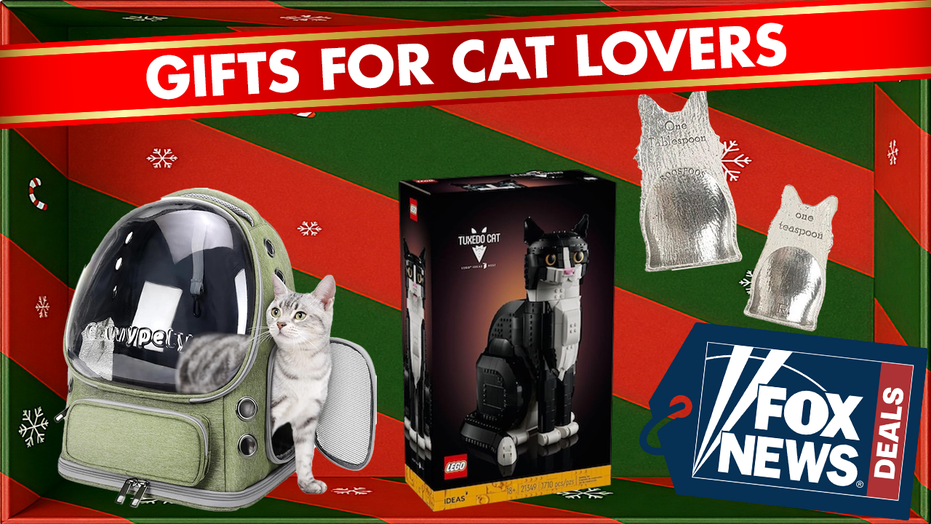
While superficially this piece is a roundup of quirky and endearing cat-themed products, it taps into a deeper cultural phenomenon: the evolving relationship between humans and their feline companions. Over the last few decades, cats have transitioned from being common pets to full-fledged family members, often afforded the same emotional significance—and financial investment—as children. This has opened a booming market for specialized products that blend functionality, personalization, and identity-expression.
The Bigger Picture: Historical Context of Cat Ownership and Commercialization
The human-feline dynamic has undergone a remarkable transformation historically. Once valued primarily for pest control, domesticated cats became household companions in the late 19th and early 20th centuries with changing social norms and urbanization. By the late 20th century, especially in Western societies, cats emerged as symbols of independence and affection, bolstered by pop culture icons, internet memes, and social media platforms devoted to pet content.
Consequently, the pet industry has experienced exponential growth. According to the American Pet Products Association, spending on cats in the U.S. exceeded $42 billion in 2022, increasing steadily each year. The rise of premium, novelty, and tech-driven pet products reflects broader consumer trends toward personalization, wellness, and lifestyle integration.
The Cultural Significance of Gifting Cat-Themed Products
Gift-giving around pets serves multi-layered social functions. These products are more than cute novelties; they act as affirmations of identity and community belonging among cat owners. Customized socks bearing a cat's image or rings with paw prints serve as tangible bonds between owner and pet—and express affection publicly. This dynamic taps into the psychological concept of "pet humanization," where animals attain quasi-human status, influencing consumer behavior drastically.
Moreover, the selection of gifts—from weighted lavender-scented plushies designed for stress relief to smart robotic pet cameras—mirrors contemporary concerns about wellbeing, convenience, and technological mediation of relationships. The convergence of the health and tech sectors with pet care further underscores how pet ownership encompasses lifestyle choices and emotional health investments.
Expert Perspectives on Pet Humanization and Market Trends
Dr. John Bradshaw, a leading anthrozoologist, notes, "The increasing anthropomorphism of cats reflects shifting societal views where pets fulfill emotional roles traditionally held by humans. This transformation drives demand for products that cater not only to pets’ needs but to owners’ expressions of identity and affection."
Economist Sara Goldrup highlights, "The cat-themed gift market is a niche but fast-growing segment within the $100+ billion global pet industry, illustrating how consumer preferences are evolving toward highly personalized and novelty goods that integrate pet care with lifestyle aesthetics."
Data & Evidence: Quantifying the Cat Economy
- Annual spending on cat products in the U.S.: $42+ billion (American Pet Products Association, 2023)
- Growth rate of pet personalization and tech-based products: Approximately 12% CAGR over five years
- Percentage of U.S. households owning cats: Around 25% (American Veterinary Medical Association, 2023)
- Rise in pet humanization metrics, e.g., 60% of cat owners consider their pet a family member (2022 survey)
Implications for the Future: What This Means for Consumers and Industry
The cat gift market will likely keep expanding as more owners seek products that reinforce emotional bonds and elevate their lifestyle status. Trends to watch include further integration of AI and smart technology into pet care devices, expansion of DNA testing kits for health and breed insights, and socially conscious products emphasizing sustainability and wellness.
Retailers and manufacturers ignoring this nuanced cultural shift risk missing lucrative opportunities. The blending of functionality with identity-driven design offers fertile ground for innovation beyond basic pet supplies—potentially disrupting adjacent lifestyle product markets.
The Bottom Line
What might seem like mere kitschy gift ideas embodies a complex interplay of cultural attachment, economic forces, and emerging consumer psychology around cats. This market highlights broader societal transformations in human-animal relationships, where pets occupy central emotional and social roles, reshaping commerce and culture alike.
Topics
Editor's Comments
This analysis uncovers an often overlooked facet of pet culture: how the commercialization of pet humanization not only drives consumer spending but also reflects shifts in societal values around family and emotional wellbeing. While many might dismiss cat-themed gifts as frivolous, they actually provide a window into evolving identity expressions and lifestyle choices. It also raises compelling questions—what implications does this have for how we define companion animals in the future? Are there potential downsides to anthropomorphizing pets to this degree, such as overshadowing their biological needs or skewing veterinary care priorities? These are nuanced issues worth closer attention as the market grows.
Like this article? Share it with your friends!
If you find this article interesting, feel free to share it with your friends!
Thank you for your support! Sharing is the greatest encouragement for us.