Beyond the Sentence: What Robert Gilman’s Extended Imprisonment Reveals About U.S.-Russia Tensions

Sarah Johnson
December 4, 2025
Brief
An in-depth analysis of Robert Gilman's extended Russian prison sentence, examining geopolitical dynamics, prison conditions, and broader implications for U.S.-Russia relations.
Russia Extends U.S. Citizen Robert Gilman’s Prison Sentence Amid Broader Geopolitical Strains
The recent extension of Robert Gilman’s prison sentence to 10 years for alleged assaults on prison staff in Russia provides a stark example of how individual legal cases become entangled in broader geopolitical contexts. Gilman’s escalating sentence, now significantly longer than the original conviction, is not merely the result of isolated incidents but reflects a pattern that intersects with ongoing U.S.-Russia tensions, perceptions of political prisoners, and Russia’s penal system utilization amid strained diplomatic relations.
The Bigger Picture: Historical Context and Background
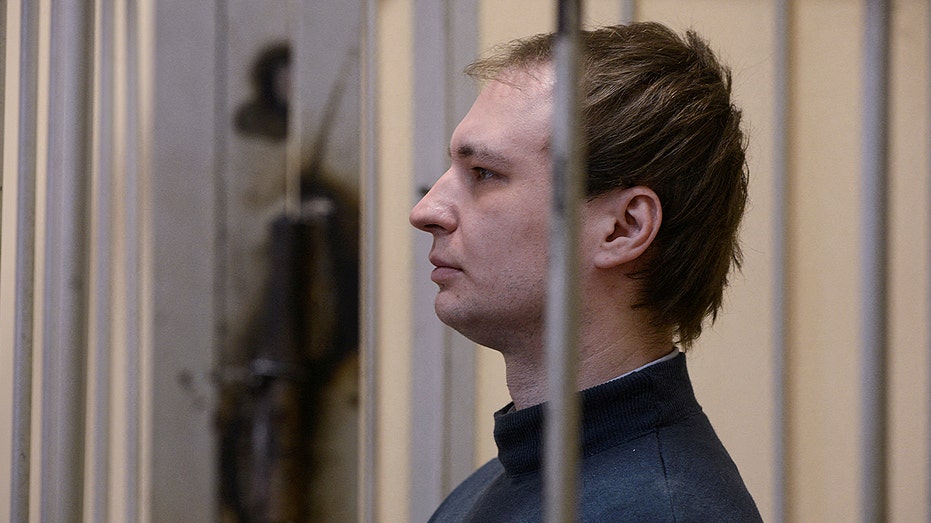
Robert Gilman, a former U.S. Marine from Massachusetts, was first arrested in January 2022 in Voronezh, Russia. The initial charges stemmed from an incident involving alleged drunken disorderliness on a train, followed swiftly by a conviction for assaulting a police officer. Over the subsequent three years, multiple additional charges related to assaults on prison staff have extended his prison term substantially.
This legal trajectory should be understood against the backdrop of deteriorating U.S.-Russia relations since Russia’s annexation of Crimea in 2014 and further aggravated by the 2022 invasion of Ukraine. Imprisonment of foreign nationals, especially Americans with military backgrounds, has increasingly become entangled with geopolitical symbolism, with many observers labeling some cases as political leverage or retaliatory measures in response to U.S. sanctions and diplomatic pressures.
What This Really Means: The Significance Beyond the Sentence
The extension of Gilman’s sentence underscores several interconnected factors:
- Judicial Stringency as Political Signal: Russia’s use of judicial proceedings against foreign nationals often transcends purely legal considerations. By incrementally increasing Gilman’s sentence, Russian authorities signal a tough stance that serves both domestic political narratives of sovereignty and international messaging to the U.S. and its allies.
- Prison Conditions and Their Role in Escalations: Gilman’s reported behavior inside prison — assaults on guards and inspectors — has been cited to justify additional punishment. Experts note that Russia’s penal colonies are notoriously harsh and psychologically taxing. Such conditions can precipitate behavioral responses, complicating questions of culpability and highlighting systemic issues within the Russian correctional environment.
- The Use of Hostage Diplomacy: Gilman joins at least eight other Americans still detained in Russia amid ongoing prisoner exchanges and diplomatic negotiations. His case exemplifies how individuals with military ties become pawns in a broader diplomatic chess game, where personal liberties are entangled with state-level bargaining chips.
- Impact on Russian-American Citizen Relations: Cases like these exacerbate mistrust between the countries, hardening public opinion and complicating efforts at diplomatic de-escalation. They also provoke discussions domestically in the U.S. about the safety of Americans abroad and the need for diplomatic interventions.
Expert Perspectives
Dr. Elena Krylova, a human rights scholar specializing in the Russian penal system, remarks, "The Russian judicial system has a long history of conflating legal punishment with political objectives. The conditions in many facilities can provoke incidents among prisoners, which authorities may then use to justify prolonged sentences, especially for foreign nationals who pose diplomatic leverage."
Former U.S. diplomat and Russia expert Mark Peabody adds, "Gilman’s case fits a broader pattern we've observed where Russia extends sentences under dubious circumstances to maximize pressure on the U.S. The incremental nature of his increased sentencing is emblematic of a policy that uses the judiciary for geopolitical ends."
Data & Evidence
Since 2022, the average sentence for Americans detained in Russia with military backgrounds has increased from 3-5 years initially to as much as 10 years in some cases, reflecting a trend of escalating punishments linked to alleged prison infractions. According to human rights organizations monitoring foreign detainees, approximately 70% of these cases involve charges or sentence extensions related to alleged misconduct in detention, which often lack independent verification.
Additionally, prison conditions in Russian penal colonies have been reported to violate international standards, with overcrowding, limited medical care, and harsh disciplinary regimes contributing to tensions that may lead to behavioral outbursts.
Looking Ahead: Potential Implications and What to Monitor
The Gilman case is likely to remain a sticking point in U.S.-Russia diplomatic relations. Key areas to watch include:
- Diplomatic Negotiations: Whether Gilman can be included in future prisoner swaps or diplomatic releases, akin to some high-profile cases in 2024-2025.
- Legal Appeals and International Pressure: Though his lawyer has stated no appeal will be filed, shifts in Russian domestic legal policy or international advocacy could alter his circumstances.
- Domestic U.S. Reactions: Pressure from military veterans’ groups and political actors may influence the U.S. government’s approach to securing his release or protecting citizens abroad.
- Russian Domestic Politics: Hardline elements within Russia’s government may continue to use cases like Gilman’s to bolster narratives about foreign interference and national security threats.
The Bottom Line
Robert Gilman’s extended prison sentence is emblematic of the complex interplay between individual legal cases and the broader geopolitical struggle between the U.S. and Russia. It reveals how domestic legal mechanisms can serve as instruments of international politics, with profound implications for diplomatic relations, human rights considerations, and the fate of detained foreign nationals. Beyond the headlines lies a layered story about the human cost of geopolitical conflict and the challenges of navigating sovereignty, justice, and diplomacy in a fraught international environment.
Topics
Editor's Comments
Gilman’s case illustrates the troubling intersection of individual legal processes and international politics. It prompts critical reflection on how states use legal systems not only to enforce law and order but also as tools of coercion in geopolitical conflicts. This raises important questions about the protection of foreign nationals and the potential costs when diplomacy falters. While some may view Gilman’s behavior as a justification for his extended sentence, the broader context of harsh detention conditions and politicization cannot be ignored. Going forward, it is essential to watch how such cases influence bilateral relations and the evolving norms around detention and prisoner treatment amidst geopolitical rivalries.
Like this article? Share it with your friends!
If you find this article interesting, feel free to share it with your friends!
Thank you for your support! Sharing is the greatest encouragement for us.