
Beyond the Headlines: What Taylor Taranto’s Case Reveals About January 6 Pardons and Political Violence

Sarah Johnson
December 5, 2025
Brief
Analysis of Taylor Taranto’s renewed legal troubles reveals deeper questions about January 6 pardons, political extremism, mental health, and the challenges facing justice post-insurrection.
Why Taylor Taranto’s Case Highlights Deeper Challenges in the Aftermath of January 6
The recent legal troubles of Taylor Taranto, a January 6 defendant previously pardoned by Donald Trump, represent more than just an individual saga of recurring legal issues. They illuminate complex intersections of justice, political polarization, and the limits of presidential pardons in addressing acts connected to the Capitol insurrection. Taranto’s continued presence around political figures he once targeted, alongside his erratic behavior and social media livestreaming, raise urgent questions about public safety, mental health, and the broader unresolved legacies of January 6.
The Bigger Picture: Historical and Political Context
To understand why Taranto’s case resonates widely, it helps to recall the context of January 6, 2021: an unprecedented attack on the U.S. Capitol by supporters of then-President Trump aiming to overturn the presidential election results. The subsequent wave of prosecutions marked the largest domestic terrorism crackdown in U.S. history, with hundreds charged in connection to the insurrection.
Presidential pardons for some defendants, including Taranto, have stirred public debate. While pardons are constitutionally permitted, these acts raise questions about accountability and the message sent to radicalized supporters. Taranto’s return to the D.C. area, particularly near Congress member Jamie Raskin—himself a significant political figure known for his role in impeachment proceedings against Trump—underscores the ongoing tensions between January 6’s political aftermath and the justice system.
What Taranto’s Actions Reveal About Underlying Issues
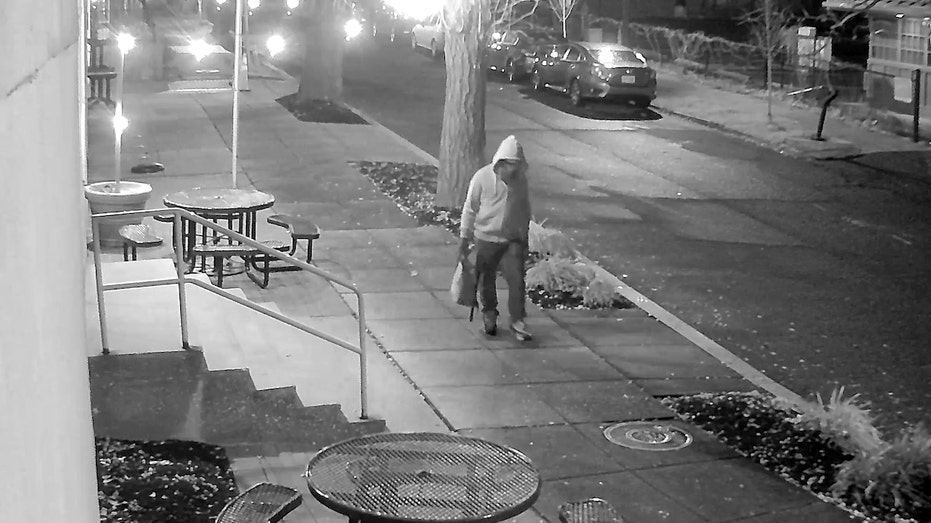
Taranto’s conduct—wandering near Raskin's home, livestreaming as a self-styled “independent journalist,” and previous convictions for illegally possessing firearms and threatening violence—reflect troubling themes of extremism, political grievance, and potentially untreated mental health issues. The chilling livestream from an elementary school near Raskin’s residence exemplifies how the digital world empowers both spectacle and threat, blurring lines between protest, stalking, and violence.
His actions also illuminate gaps in supervised release protocols. Despite a conviction and probation, Taranto’s physical proximity to targets of his animus and erratic public behavior raises concerns about how effectively the justice system monitors politically motivated offenders post-incarceration.
Experts Weigh In on Justice, Radicalization, and Mental Health
Experts note that Taranto’s case is emblematic of broader patterns seen with politically charged offenders:
Dr. Emily O’Connor, a specialist in political violence at Georgetown University, observes, "The persistence of targeted harassment post-pardon highlights limitations in addressing ideological extremism solely through the criminal justice system." She emphasizes that pardons without concurrent rehabilitation risk recidivism, particularly when combined with mental health challenges.
Professor Mark Levinson
Dr. Ana Silva, a forensic psychologist, points out that "Behavior like Taranto’s, including erratic livestreaming and focused targeting, often signals underlying untreated conditions exacerbated by ideological enmeshment. Coordinated mental health interventions are vital."
Data & Evidence: What the Numbers Say About Post-Insurrection Risks
While exact recidivism rates for January 6 defendants remain under study, early reports suggest that a small but significant subset exhibit ongoing challenges including threats or violations of release terms. According to a 2024 Congressional Research Service report, about 15% of prosecuted individuals showed signs of behavioral relapse post-release, often linked to continued political grievance or conspiracy beliefs.
Moreover, surveillance data on extremist activity shows that social media platforms increasingly facilitate the projection of threats into physical proximity to targeted individuals—heightening risks for elected officials like Raskin.
Looking Ahead: Implications for Justice and National Security
Taranto’s case signals several implications for future policy and security efforts:
- Reevaluating Pardons and Accountability: There may be need for more nuanced criteria and oversight mechanisms surrounding pardons for politically motivated offenders, balancing clemency with public safety.
- Enhanced Monitoring & Mental Health Services: Supervised release programs should integrate mental health assessments and intervention services tailored to individuals demonstrating signs of radicalization or instability.
- Improved Protection for Public Figures: Legislative and law enforcement bodies must review protocols safeguarding politicians targeted due to their political positions, particularly in a hyper-polarized climate.
- Digital Platform Responsibility: Platforms like Rumble, where Taranto livestreamed, face increased pressure to moderate content promoting threats or harassment linked to real-world violence.
The Bottom Line
Taylor Taranto’s renewed legal troubles serve as a case study in the challenges remaining from the January 6 insurrection saga. Beyond his individual trajectory, the case spotlights systemic tensions between justice, political clemency, and public safety. It underscores an urgent need for coordinated strategies—legal, mental health, and technological—to mitigate risks posed by politically radicalized individuals who exploit pardons and digital platforms to continue threatening elected officials and democratic institutions.
Topics
Editor's Comments
Taranto’s case is a cautionary tale that exposes the unresolved tensions at the intersection of justice, political clemency, and domestic security. It raises critical questions about whether presidential pardons for politically connected offenders serve justice or inadvertently embolden dangerous behavior. Moreover, this episode spotlights the vital role of mental health evaluations and interventions within the criminal justice system—an area too often neglected in political cases. As we consider democracy’s fragility amid polarization, it’s imperative policymakers craft responses that address both legal accountability and rehabilitation. Failing to confront these persistent challenges risks allowing January 6’s violent ideologies to linger, manifesting in threats against the very institutions designed to uphold democratic order.
Like this article? Share it with your friends!
If you find this article interesting, feel free to share it with your friends!
Thank you for your support! Sharing is the greatest encouragement for us.