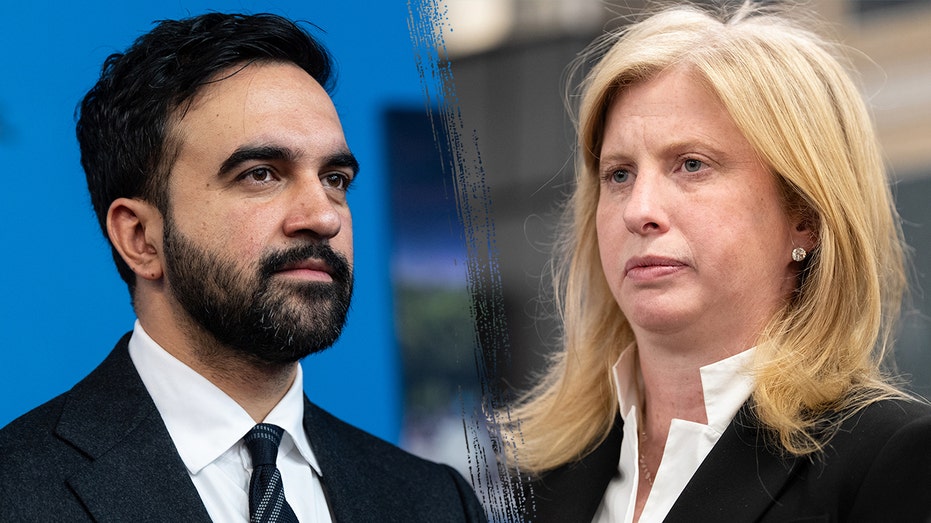
Beyond the Gala: What the Tisch Family Incident Reveals About NYC’s Political and Cultural Divide

Sarah Johnson
December 5, 2025
Brief
An in-depth analysis of the tensions sparked by NYPD Commissioner's brother's remark about Mayor-elect Mamdani, exploring historical context, community dynamics, and future governance challenges in NYC.
Why the NYPD Commissioner’s Brother’s Remark Matters Beyond Immediate Headlines
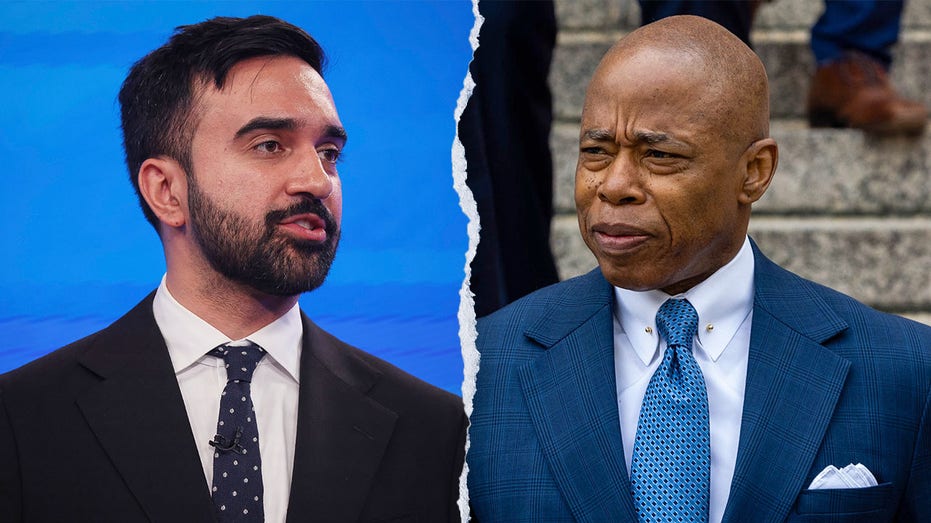
The recent incident involving NYPD Commissioner Jessica Tisch’s brother branding incoming NYC Mayor Zohran Mamdani as an "enemy of the Jewish people" at a high-profile gala illuminates deeper fault lines in New York City politics, identity, and governance. While the commissioner’s prompt apology ostensibly smooths over tensions, this episode reflects longstanding complexities that surround Mamdani’s rise, the role of the Jewish community in city politics, and evolving narratives around Israel, antisemitism, and public safety.
The Bigger Picture: Historical Context of NYC Politics and Jewish Influence
Historically, New York City’s political and social fabric has been deeply influenced by its significant Jewish population, which has been both a vocal community and an influential political constituency. Since the mid-20th century, Jewish New Yorkers have been actively engaged in city governance, civil rights movements, and economic development. The Jewish community’s relationship with elected officials is often shaped not only by local concerns but also by foreign policy issues related to Israel, which create a layered political dynamic.
Zohran Mamdani, a democratic socialist and vocal Israel critic, stands out as a transformative figure. His election marks a shift from traditional political alignments in NYC, reflecting broader national trends where progressive candidates challenge established power centers often supported by wealthier, more conservative donors. The Tisch family, wealthy and influential, has long been associated with philanthropic support to pro-Israel causes and grew politically active backing rivals to Mamdani in the 2025 election cycle.
What This Really Means: Navigating Identity, Power, and Policy
The gala confrontation is emblematic not just of a personal insult but a symbolic clash over identity and legitimacy. Calling Mayor-elect Mamdani an "enemy of the Jewish people" is more than rhetorical—it strikes at a fraught intersection of ethnicity, religion, and political ideology. Mamdani’s socialist platform includes calls for criminal justice reform and critiques of US policy toward Israel, positions that unsettle traditional allegiances.
Commissioner Tisch’s decision to keep her role under the new mayor reflects a pragmatic approach to governance, prioritizing operational continuity over personal or political grievances. However, the family dynamics highlight how private conflicts can spill into public policy arenas, complicating efforts toward inclusive governance.
This incident risks reinforcing polarized narratives where progressive critiques of Israel are conflated with antisemitism, a problem echoed in other parts of the U.S. Such conflations can marginalize legitimate political discourse and foster distrust across communities. Mamdani’s insistence on being mayor for "each and every New Yorker, including Jewish New Yorkers," signals an attempt to bridge divides, but the path ahead requires ongoing dialogue and trust-building.
Expert Perspectives
Dr. Deborah Lipstadt, a leading historian on antisemitism, notes, "This episode illustrates the delicate balance leaders must strike between addressing concerned constituents and maintaining open political discourse. The challenge for Mayor-elect Mamdani is to affirm Jewish New Yorkers’ safety and concerns without silencing important debates around Israel and social justice."
Andrew Gelman, professor of statistics and political science, highlights the electoral undercurrents: "Mamdani’s success reflects a growing shift of urban electorates toward progressive policies, but entrenched donor networks like the Tisch family represent the resilience of traditional influences that can complicate governance and policy implementation."
Data & Evidence: Trends in NYC Politics and Community Sentiment
The 2025 mayoral election exposed sharp divides in voter priorities. Progressive candidates like Mamdani garnered strong support among younger, diverse, and lower-income voters, winning approximately 60% of votes in historically underrepresented boroughs. Conversely, wealthier and more conservative parts of the city, often with sizable Jewish populations, tended to favor more centrist or moderate candidates, supported by substantial political donations exceeding $1 million from family networks such as the Tisch clan.
Polling by the New York City Jewish Community Council in late 2025 found that while 70% of Jewish respondents expressed concerns about antisemitism, 55% also supported increased engagement with a spectrum of political voices, including progressive critiques of Israel. This duality suggests a community grappling with security anxieties while recognizing the importance of open dialogue.
Looking Ahead: Governance Challenges and Community Relations
Mayor-elect Mamdani’s inauguration in January sets the stage for a new political chapter, but the incident underscores immediate challenges:
- Rebuilding Trust: Mamdani’s administration must proactively engage Jewish community leaders and address fears surrounding antisemitism without diluting his political ideals.
- Police Leadership Dynamics: Commissioner Tisch’s role will be under close scrutiny as she balances delivering public safety with maintaining community trust amidst ideological tensions.
- Political Polarization: The ongoing rift between established donors and the new progressive administration may manifest in legislative and budgetary conflicts affecting city priorities.
Success will hinge on Mamdani’s ability to navigate these tensions, fostering governance rooted in equity while honoring New York’s diverse constituencies.
The Bottom Line
The apology from Commissioner Tisch serves as a gesture of reconciliation, but the underlying discord surfaced by her brother’s volatile remark reveals a city at a political and cultural crossroads. Zohran Mamdani’s ascent challenges entrenched power structures and calls for fresh conversations about identity, representation, and the meaning of public safety in a diverse metropolis. How these conversations unfold will significantly shape the future of New York City politics and community cohesion.
Topics
Editor's Comments
The convergence of personal family dynamics with public political discourse in this incident brings to light how identity and power intersect in the urban political arena. It prompts broader questions about the limits of tolerance within political communities, especially when ideological disagreement becomes perceived as existential threat. NYC’s unique multicultural makeup means its leaders must constantly negotiate these tensions with sensitivity and strategic vision. Mamdani and Tisch's ability to collaborate amidst such strains will serve as a bellwether for governance models in similarly polarized cities across the U.S.
Like this article? Share it with your friends!
If you find this article interesting, feel free to share it with your friends!
Thank you for your support! Sharing is the greatest encouragement for us.