Beyond the Deal: What Devin Williams’ Mets Contract Reveals About Modern Bullpen Strategy and Player Identity

Sarah Johnson
December 3, 2025
Brief
Deep analysis of Devin Williams’ 3-year Mets deal reveals shifts in bullpen strategy, player branding, and MLB’s evolving approach to relief pitching beyond headline trade news.
Opening Analysis
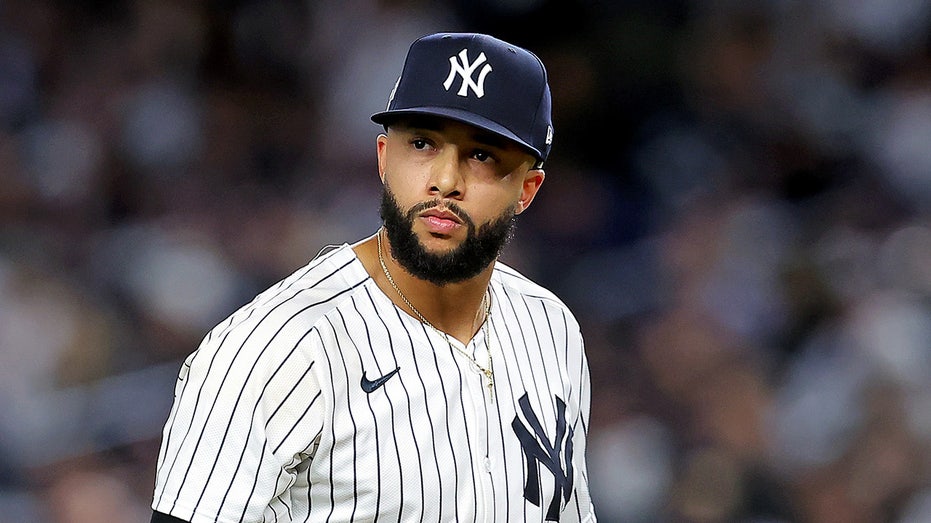
Devin Williams’ move from the New York Yankees to the Mets marks more than just a change of jerseys in the same city; it highlights underlying shifts in how MLB teams value relievers amid evolving bullpen strategies and player branding dynamics. Against the backdrop of a challenging 2025 campaign, Williams’ lucrative 3-year, $51 million deal signals the Mets’ bet on his proven potential and speaks to broader trends in bullpen construction and free agency economics.
The Bigger Picture
Historically, elite relievers such as Devin Williams have experienced volatile career trajectories. Once a dominant closer with the Milwaukee Brewers—posting a sterling 1.83 ERA and 68 saves over six seasons—Williams’ struggles with the Yankees underscore the fragile nature of bullpen dominance amid changing team environments, roles, and expectations. The Mets’ willingness to commit without opt-outs reflects a growing industry recognition that securing bullpen depth long-term is critical, especially in New York’s high-pressure market.
Notably, Williams’ tenure with the Yankees intersects with broader cultural shifts within baseball. His stand against the Yankees’ strict no-beard policy contributed to the team’s decision to relax grooming restrictions, demonstrating how players’ individual identities increasingly influence organizational culture and brand image.
What This Really Means
The Mets’ signing of Williams serves multiple strategic purposes. First, it provides crucial insurance amid uncertainty regarding Edwin Diaz’s free agency status. Diaz, with his sub-2.00 ERA and 28 saves, represents one of the most valuable closers in the league. If Diaz departs, Williams offers a reliable fallback with his prior elite performance metrics. Even if Diaz returns, Williams’ capability as a strong setup man in the eighth inning creates a formidable bullpen tandem, aligning with modern pitching philosophies that emphasize multi-inning relief flexibility.
Moreover, Williams’ signing highlights the importance of narrative and player mindset in contract decisions. Williams openly expressed affection for New York despite a difficult season, and the Mets likely believe his late-season resurgence (2.50 ERA in final 19 games) signals a return to form. His resistance to the Yankees’ grooming policy and role struggles illustrate the complex interplay of individual autonomy and team cohesion that front offices must navigate.
Expert Perspectives
Dr. Alan Nathan, Baseball Statistician and Analyst: "Williams’ numbers with Milwaukee were elite, but transitioning to a new team, especially under New York media scrutiny, can impact a player’s performance. The Mets betting on his talent plus mental resilience is a calculated gamble that could pay dividends if the team manages bullpen roles effectively."
Jessica Mendoza, Former MLB Player and Analyst: "Relievers often have volatile seasons due to the nature of their role. Williams’ ability to close out the season strong shows the adaptability and growth potential teams look for. The longer-term deal offers stability that could help him regain the elite form."
Tom Verducci, Baseball Writer and Commentator: "The Mets’ move signals how saving roles have evolved—it's not just the closer anymore, but the back-end bullpen tandem that defines a team’s postseason success. Williams can be that versatile piece alongside Diaz or as a closer himself if Diaz leaves."
Data & Evidence
- Williams' career ERA before 2025 was approximately 2.45, highlighting the contrast with his 4.79 ERA during the difficult Yankees season.
- He struck out 90 batters in 67 games in 2025, maintaining an impressive strikeout rate (~12 K/9), indicating his raw pitching ability remains high.
- The Mets’ bullpen in 2025 finished in the middle of the pack in ERA despite Diaz’s dominance; adding Williams targets bullpen depth improvement.
- Diaz's 1.63 ERA and 28 saves in 62 games exemplify why the Mets need reliable insurance for the closer role.
Looking Ahead
Looking to the future, Williams’ trajectory will depend heavily on his ability to regain consistency and fully realize his potential in a stable bullpen environment. With no opt-outs in his Mets contract, the team clearly expects him to be a core bullpen piece through 2028, weathering fluctuations in form. Should Diaz leave, the Mets could pivot to Williams as their primary closer, while if Diaz remains, Williams’ role will shift into high-leverage setup innings—a role growing in strategic value as teams optimize late-inning usage.
On a secondary level, Williams’ case may encourage other players and teams to reconsider rigid clubhouse policies around player expression, further modernizing baseball’s often traditionalist culture. Also, this signing emphasizes the growing monetary valuation of elite relievers, long undervalued compared to starters and hitters.
The Bottom Line
The Mets’ acquisition of Devin Williams after his tumultuous Yankees season reveals a multilayered story beyond player movement—a story about bullpen evolution, player identity and culture, and strategic roster construction amid MLB’s changing financial landscape. The deal underscores the Mets’ commitment to lastingly bolster their back-end pitching, preparing either for Diaz’s potential exit or to create a dominant bullpen tandem for contention. For Williams, it offers a fresh opportunity to redeem himself and reestablish elite form in a new environment that seemingly embraces both his on-field talent and off-field persona.
Topics
Editor's Comments
Williams’ transition from struggling reliever in New York to a cornerstone signing for the Mets provides a fascinating lens on how MLB teams manage risk, identity, and performance in volatile bullpen roles. The deal raises important questions about how much patience franchises should extend to high-variance pitchers after down years, and how player expression—whether through grooming or public statements—affects team dynamics. It also demonstrates the evolving economic calculus around relief pitching, increasingly recognized as critical to playoff success. Watching how the Mets deploy Williams alongside or in place of Diaz will be a pivotal storyline shaping their bullpen’s identity and effectiveness moving forward.
Like this article? Share it with your friends!
If you find this article interesting, feel free to share it with your friends!
Thank you for your support! Sharing is the greatest encouragement for us.