Beyond the Buzz: What Makes Stew Leonard’s Butter-Dipped Ice Cream a Viral Sensation and Cultural Flashpoint

Sarah Johnson
December 6, 2025
Brief
An in-depth analysis of Stew Leonard's viral butter-dipped ice cream cones, exploring historical context, sensory science, regional reactions, and implications for future food trends.
Why Stew Leonard's Butter-Dipped Ice Cream Trend Captivates and Divides
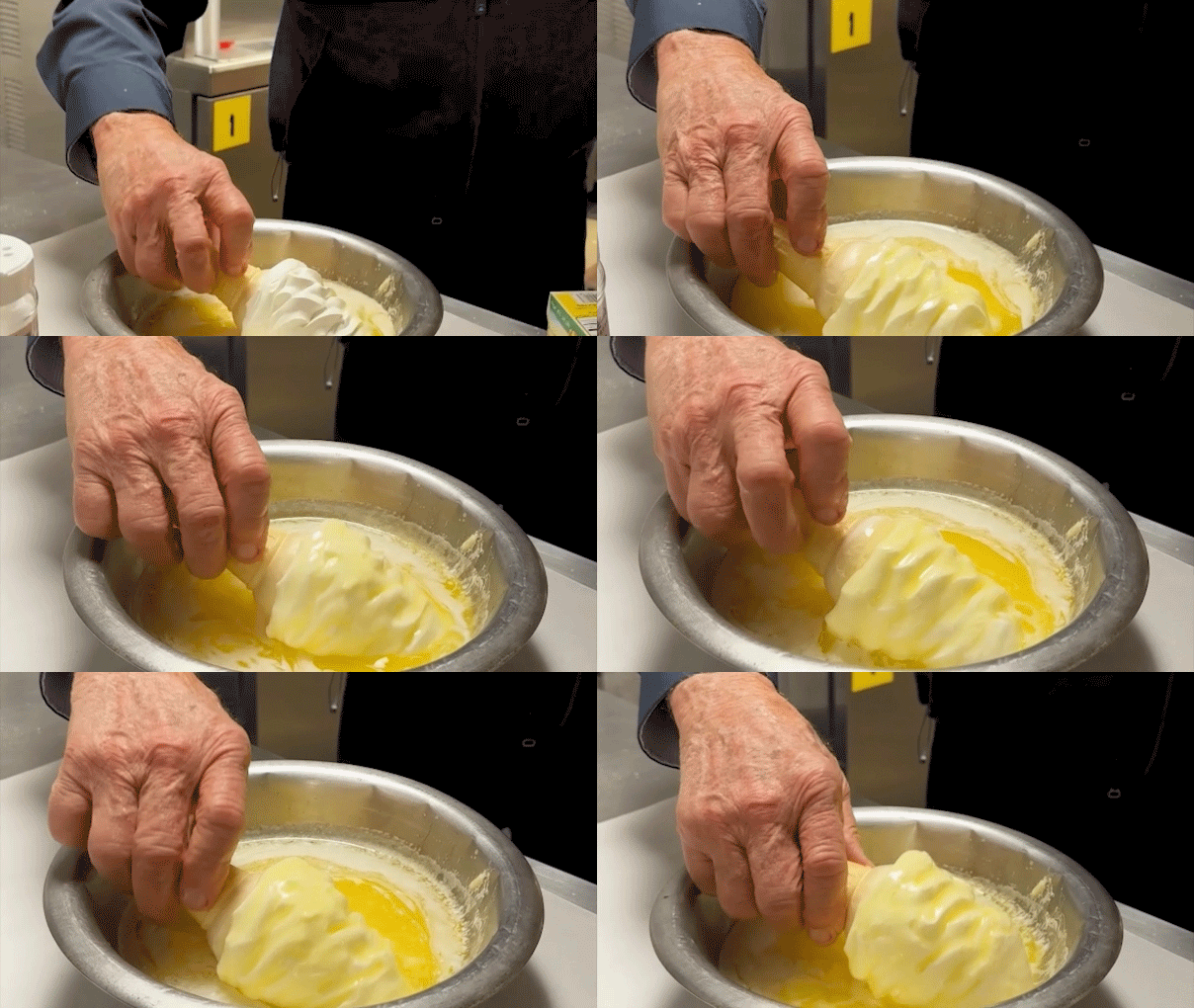
When a grocery chain’s Instagram video of butter-dipped vanilla soft serve went viral in late 2025, it sparked more than just curiosity: it ignited a cultural conversation about indulgence, nostalgia, and the evolving landscape of American comfort food. While at first glance the trend seems like a quirky offbeat fad, this phenomenon touches on deeper dynamics in food marketing, regional culinary identities, and the modern search for novel sensory experiences.
The Bigger Picture: Historical and Cultural Roots
Butter and ice cream are long-established icons of dairy-rich indulgence. But their fusion, particularly as a coating or dip, echoes older culinary traditions from disparate cultures, including Nordic brown butter desserts and classic European shortbread dipped in butter. Within American history, butter and cream have symbolized wholesome abundance, often linked to agrarian values and dairy farming regions such as the Midwest and Northeast, where Stew Leonard’s operates.
The viral video emerged from Connecticut, a state steeped in New England food heritage but increasingly influenced by globalized tastes and food experimentation. By adding melted butter as a dip, Stew Leonard's experiments with the fundamental sweet-and-salty combination, a flavor pairing that has undergone a renaissance in recent years as chefs and home cooks alike explore how salt enhances sweetness and texture.
What This Really Means: Psychology and Sensory Appeal
The notion of “addictive” food here is supported by a complex interplay of flavor, texture, and cultural connotations. The combination of creamy vanilla soft serve with warm, salty butter creates a contrast that engages multiple sensory pathways. The cooled butter shell provides crunch, while the butter’s fat content delivers mouth-coating richness, amplifying the vanilla’s sweet aroma.
This sensory contrast aligns with research from food psychology showing that unexpected flavor pairings or textural components can heighten pleasure and retention, making people crave a dish more. Salty-sweet combinations also stimulate dopamine release, which reinforces habitual eating behavior and explains why some consumers describe it as "insane" or irresistibly creamy. The endorsement by the CEO and employees further lends authentic, grassroots appeal—an important factor in today’s foodie culture that values relatability.
Expert Perspectives
Renowned food scientist Dr. Harold McGee has noted, “The resurgence of salted butter and other fat-focused ingredients in desserts is part of a broader movement away from processed sugars and towards more natural, texturally complex profiles.” Similarly, culinary historian Jessica B. Harris points out, “Many traditional cuisines have long celebrated fat as flavor. This is a rediscovery as much as it is an innovation.”
Marketing analyst Elena Rodriguez emphasizes the viral impact: “In an oversaturated market, simple but bizarre food concepts capture attention and foster community debate, which drives organic social sharing. Butter-dipped ice cream is perfectly positioned between comfort and novelty.”
Data & Evidence: Trends in Food Consumption
Recent consumer data from the National Restaurant Association indicates a sharp increase—over 23% in 2023 alone—in popular demand for sweet and salty blends, with salted caramel leading among dessert toppings. Moreover, social media analyses show a 12% year-over-year rise in engagement with videos that emphasize unconventional food pairings. The 75,000 likes on Stew Leonard’s Instagram post within days is consistent with these trends, underscoring how experiential food innovations drive visibility.
Divided Reactions Reflect Regional and Cultural Variances
Split public opinion—ranging from delight to bemusement or dislike—also reveals underlying regional food identities and expectations. Comments about this not being common “even in Wisconsin,” a state synonymous with dairy pride, highlight how local palate norms shape receptiveness to novelty. The polarized reactions encapsulate ongoing tensions between culinary adventurousness and traditionalism in American food culture.
Looking Ahead: Future Implications and Industry Impact
This viral moment may well inspire other grocery retailers and artisanal producers to experiment with contrasting flavors and textures—leveraging nostalgia while catering to consumers’ appetite for unique experiences. Retailers might also build on butter’s positioning as a premium, natural ingredient, increasingly popular in clean-label and small-batch food trends.
However, such indulgent treats also raise questions about public health messaging and the balance between innovation and nutritional responsibility, especially as obesity and diet-related diseases remain persistent challenges. Industry watchers should observe whether this trend extends beyond social media hype into mainstream consumer habits or remains a burger-flipping culinary curiosity.
The Bottom Line
Stew Leonard’s butter-dipped ice cream cone trend transcends novelty dessert talk, illustrating pivotal shifts in flavor trends, sensory marketing, and regional food identity. Its viral success underscores the power of simple ingredient experimentation to connect tradition with modern palates—a mix of nostalgia, sensory delight, and daring that resonates deeply in today’s food culture.
Topics
Editor's Comments
This viral sensation is a fascinating window into how simple ingredient experiments can resonate widely in a saturated market hungry for connection and new experiences. It challenges us to rethink how regional identity and food heritage interact with digital-age consumer culture. As we watch this trend unfold, it raises deeper questions about how modern food innovations balance between celebration of indulgence and responsible consumption. This story exemplifies the power of food as a cultural flashpoint, inviting both enjoyment and critical reflection.
Like this article? Share it with your friends!
If you find this article interesting, feel free to share it with your friends!
Thank you for your support! Sharing is the greatest encouragement for us.