Alonzo Mourning on the NBA’s Evolution and the Growing Role of Athlete Philanthropy

Sarah Johnson
December 6, 2025
Brief
Alonzo Mourning's reflections reveal NBA’s evolution from physical '90s play to today's versatile, high-scoring game, highlighting the shifting athlete role from sports icon to community leader.
Why Alonzo Mourning’s Reflections on the NBA’s Evolution Matter More Than They Seem
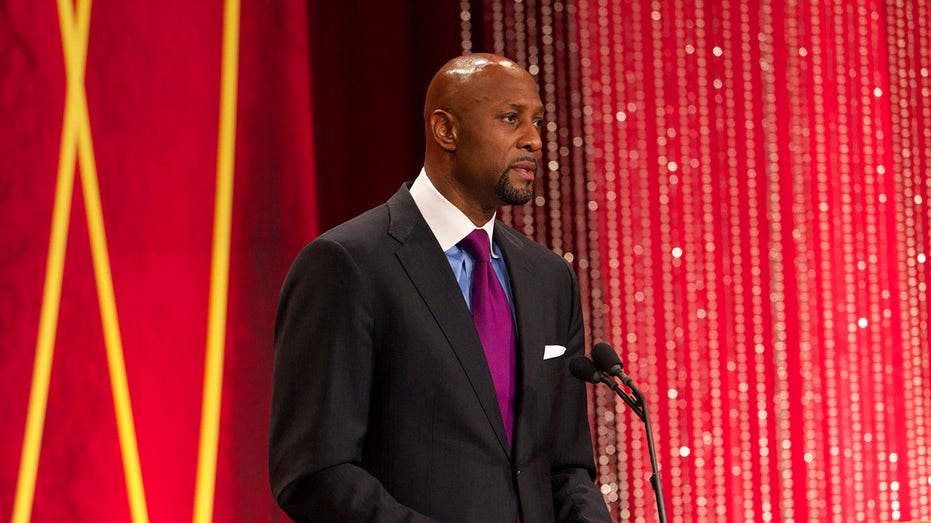
Alonzo Mourning’s recent reflections offer a unique vantage point into a pivotal transformation period of professional basketball. His career bridges the gritty, defense-oriented 1990s era and the current high-flying, analytics-driven game typified by shooters like Stephen Curry and versatile giants such as Victor Wembanyama. Mourning’s insights reveal far-reaching shifts not only in playing styles but also in how the sport is consumed, commercialized, and connected with communities. Understanding these shifts elucidates basketball's broader cultural and economic trajectory and underscores the enduring importance of athlete-driven philanthropy as part of sports legacies.
The Bigger Picture: From Jordan’s Dynasty to the Era of Positionless Basketball
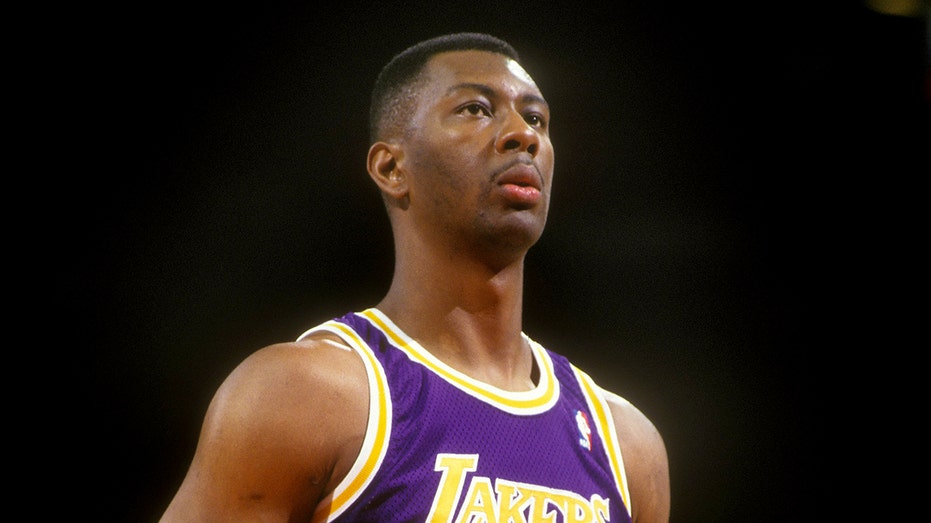
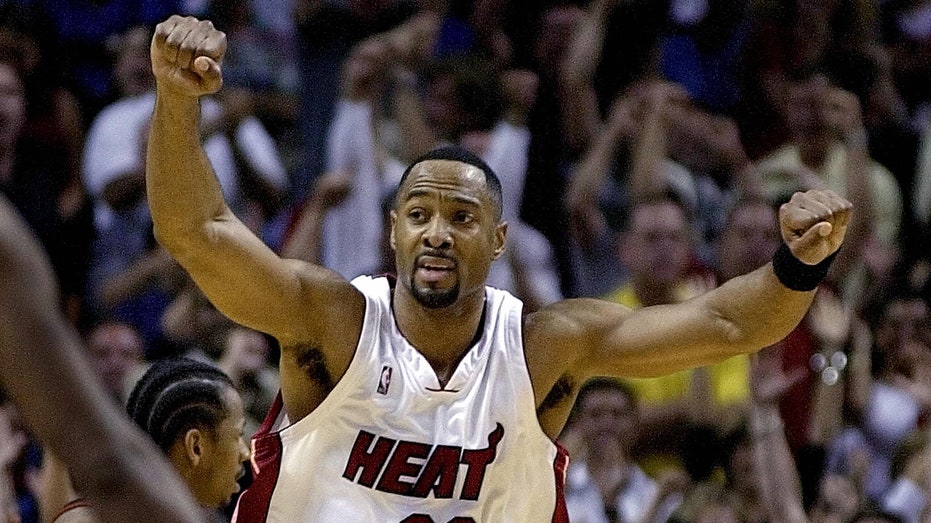
Mourning’s NBA debut in 1992 coincided with Michael Jordan’s dominant Bulls dynasty, a period characterized by tough defense, physicality, and methodical offensive sets. Scores were lower; as Mourning notes, a game summing to less than 90 points per team was common. The emphasis was on strength, inside play, and half-court execution. Centers like Mourning were primarily enforcers down low.
The 2000s saw gradual rule changes and tactical evolutions pushing pace and space principles. But it’s over the last decade that the game has transformed dramatically. The gravity of three-point shooting altered offensive priorities and positional roles. Movements toward positionless basketball have blurred traditional roles. Players like Wembanyama, standing roughly 7’6", possessing handle and shooting range, embody this revolutionary shift. Mourning’s remarks about Wemby illustrate how future stars must meld traditional size with guard-like skills to dominate.
What This Really Means: The Revolution’s Dual-Edged Impact
Mourning highlights the benefits—more scoring and entertainment value boosting TV ratings and player salaries—yet underlying this shift are profound tactical, cultural, and economic consequences. Analysts note that heightened reliance on three-pointers has increased scoring variability, sometimes reducing physicality and defensive intensity. The spectacle draws fans and broadens the NBA’s global footprint but raises questions about the game’s marrow.
From a business perspective, the NBA’s adaptation to an up-tempo, offense-friendly game built around analytics aligns with broader societal trends favoring innovation, data-driven decision making, and entertainment consumption tailored for global platforms. Mourning’s perspective as a former player turned executive bridges appreciation for the game’s heritage and recognition of evolving market demands.
Expert Perspectives: Seeing Complex Change Through Multiple Lenses
Sports historian Leigh Steinberg notes, "Basketball’s transformation reflects a generational shift in athlete capability and technological integration in coaching and scouting. Players like Mourning laid the foundation, but today’s athletes are products of expanded training, biometric data, and global talent pools." Philosopher and ethicist Dr. Cornel West has commented on the changing NBA cultural dynamics, emphasizing that "beyond the entertainment, understanding the narratives of identity, community, and economic opportunity within these shifts is key to appreciating basketball's societal role." Mourning’s ongoing philanthropy echoes West's emphasis on social responsibility tied to public platforms.
Data & Evidence: Metrics Reflecting the Shift
Statistical data vividly illustrate Mourning’s observations. Average NBA game scores rose from below 90 points per team in the 1990s to well above 110 in recent seasons. Three-point attempts per game per team ballooned from roughly 10 in the early 2000s to over 40 by the mid-2020s. Additionally, centers’ 3-point shooting percentages and attempts have increased exponentially; a decade ago, a 7-footer rarely shot threes, whereas now players like Wembanyama average several attempts per game with respectable accuracy.
Looking Ahead: The Next Phase of NBA and Athlete Impact
As the NBA embraces generational talents who defy old positional categories, the league faces balancing entertainment with preserving the game’s integrity and competitive diversity. Mourning’s role in mentoring younger players to engage with communities hints at a growing institutional focus on athletes as holistic figures—not just performers but civic leaders.
Moreover, Mourning’s example of leveraging professional success to drive social upliftment reflects an expanding athlete paradigm. His Overtown Youth Center and related initiatives underscore how sports figures can mobilize resources and attention to address systemic inequities, particularly within underserved communities affected by structural economic challenges.
The Bottom Line: A Legacy of Evolution and Empathy
Alonzo Mourning personifies the evolution of professional basketball beyond tactical changes—to an era where players are multi-dimensional athletes and social actors. His reflections on basketball’s stylistic evolution offer insights into the sport’s adaptive nature amid broader societal shifts—technological, economic, and cultural. Simultaneously, his commitment to philanthropy stresses the enduring human element behind athletic success. Mourning’s journey reminds us that while games and styles transform, the spirit of community and upliftment remains a vital thread weaving through sports history.
Topics
Editor's Comments
Alonzo Mourning’s reflections invite deeper consideration of not just how basketball’s style has evolved, but what that evolution says about broader cultural and economic shifts within professional sports. Mourning serves as a living bridge between two distinct eras—the physical, defense-heavy 90s and today’s fast-paced, analytics-driven game. His nuanced view challenges the nostalgic critique that the modern NBA has lost its soul by reminding us that the sport’s growth owes much to embracing change. Yet, Mourning also reminds us that the true legacy of an athlete extends beyond the court—his philanthropic work underscores how sports figures can marshal their influence to confront systemic inequities. This dual focus on athletic evolution and social responsibility is crucial as the league continues to globalize and commercialize. Going forward, it’s worth watching how emerging superstars not only master new styles of play but also shape community narratives, potentially reshaping what it means to be an athlete in the 21st century.
Like this article? Share it with your friends!
If you find this article interesting, feel free to share it with your friends!
Thank you for your support! Sharing is the greatest encouragement for us.