Xpeng’s Next Gen Iron Humanoid: A Milestone in Real-World Robotics Integration

Sarah Johnson
December 3, 2025
Brief
Xpeng's Next Gen Iron humanoid robot dazzles with lifelike movement, revealing robotics' rapid leap from fantasy to public commercial use, with broad implications for labor and society.
Opening Analysis
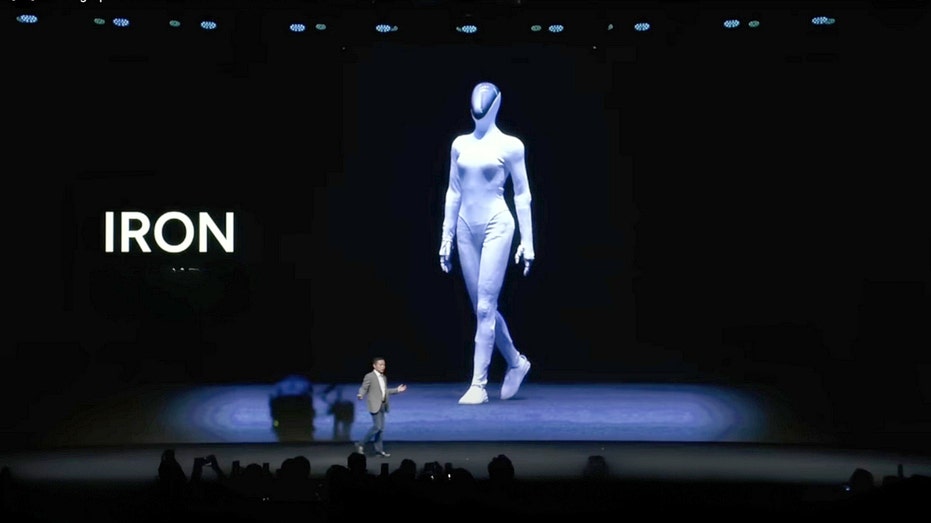
The unveiling of Xpeng's Next Gen Iron humanoid robot marks a striking milestone in robotics. The robot's near-human fluidity unsettled audiences so deeply that skepticism ran rampant—prompting the company to stage a dramatic reveal of the robot's internal mechanics to prove it was no actor in a suit. Beyond a viral spectacle, this event signals how rapidly humanoid robotics is moving from sci-fi fantasy to tangible reality, with profound implications for commerce, labor, and social norms.
The Bigger Picture
Humanoid robots have long fascinated humanity, dating back to automata of antiquity and evolving through decades of cyclical hype and underwhelming performance. The past decade, however, has seen dramatic acceleration fueled by advances in AI, materials science, and battery technology. Xpeng, a Chinese company primarily known for electric vehicles, entered this fray with its first humanoid prototype in 2024. The Next Gen Iron model builds on that by integrating highly articulated joints, bionic muscles made from smart fabrics, and AI processors capable of nuanced interactions.
This development is embedded within broader trends: a robotics renaissance driven by integrated AI, breakthroughs in energy density, and miniaturization of mechanical components enabling unprecedented mobility. Moreover, robotics progress is increasingly market-driven, aiming for commercial feasibility in roles such as retail, hospitality, and customer service—an approach reflecting evolving industry priorities from pure R&D toward real-world deployment.
What This Really Means
The public disbelief and viral spread of skepticism underscore an intriguing psychological barrier robots must overcome: convincing people not only of mechanical authenticity but of social legitimacy. Xpeng’s staged reveal addressing doubts through disassembly bridged a crucial trust gap, illustrating that effective human-robot interaction requires not just technological sophistication but public acceptance.
Technologically, Iron’s 82 degrees of freedom in movement, 22 in dexterous hands, and state-of-the-art AI chipsets position it among the most advanced humanoids globally. These capabilities allow it to approximate natural human movement and interaction more closely than most predecessors. The planned commercial deployments—tour guiding, customer service—represent pragmatic first steps, focusing on controlled public spaces where robots can learn, adapt, and prove utility.
This represents a fundamental shift in the labor ecosystem. While robotics have automated manufacturing for decades, humanoids’ ability to navigate public and social environments opens paths to automating tasks previously thought immune—like hospitality and retail service. This transition will challenge existing labor market structures, raise new ethical concerns over surveillance and privacy, and demand careful regulatory frameworks.
Expert Perspectives
- Dr. Helen Graves, Robotics Ethics Professor at MIT, comments: "Xpeng’s demonstration is a pivotal moment for humanoid robotics because it confronts the uncanny valley not just visually but behaviorally. The social acceptance of machines walking among us hinges on transparency and trust as much as on mechanical prowess."
- Dr. Anil Kumar, AI Researcher, Carnegie Mellon University, adds: "The integration of multiple Turing chips delivering 2,250 TOPS marks a leap in the computational power available on humanoid platforms, enabling more natural conversations and adaptive behavior. Real-world deployments will generate invaluable data to refine algorithms for situational awareness and emotional intelligence."
- Lisa Bowers, Labor Economist, University of Chicago, observes: "The introduction of humanoid robots into service sectors raises complex economic and social questions. Will these units supplement human workers or replace them? The answer depends heavily on cost, functionality, and consumer comfort—variables still in flux."
Data & Evidence
Xpeng’s Iron robot boasts:
- 82 degrees of freedom enabling fluid, lifelike movement
- 22 degrees of freedom in each hand, supported by a proprietary harmonic joint
- A lightweight frame powered by solid-state batteries enhancing operation time and agility
- 3 Turing AI chips delivering combined throughput of 2,250 TOPS for real-time processing of vision, speech, and decision-making
- Projected large-scale manufacturing by end of 2026, targeting deployment of hundreds to thousands of units in commercial sites
Industry reports forecast the global humanoid robot market to exceed $9 billion by 2030, growing at a CAGR of over 30%, driven primarily by applications in retail, healthcare, and public services. However, consumer surveys reveal persistent unease with robotic presence in personal spaces, highlighting a gap between technological readiness and societal readiness.
Looking Ahead
As Xpeng moves toward mass production and commercial deployment, the next 18-24 months will be decisive. Early deployments in controlled environments will generate rich feedback on robot performance, reliability, and acceptance. Success there may accelerate adoption but will likely prompt calls for stringent safety, privacy, and ethical standards.
Longer-term, advances in AI cognition and dexterity could enable humanoids to perform complex tasks in homes and workplaces, revolutionizing personal assistance and service industries. Yet, this path is fraught with challenges—from cybersecurity risks and ethical dilemmas around autonomy to socio-economic impacts on employment.
Monitoring public sentiment and regulatory responses will be critical. How companies like Xpeng navigate transparency, user education, and collaboration with policymakers will shape the trajectory of humanoid robotics integration into society.
The Bottom Line
Xpeng’s Next Gen Iron humanoid is a landmark demonstration of robotics capabilities that cuts through skepticism by showcasing authentic, humanlike movement coupled with transparent mechanical design. This event symbolizes a wider shift: humanoid robots are transitioning from controlled labs to everyday venues, setting the stage for profound economic, social, and ethical transformations. While many hurdles remain, this moment reflects robotics’ emerging role as a tangible actor in public and commercial life, offering a glimpse into a near future where human-robot coexistence moves from speculative fiction to lived experience.
Topics
Editor's Comments
Xpeng’s staged reveal highlights not just a technological achievement but a critical moment in robotics as a social phenomenon. The widespread initial disbelief underscores how much the success of humanoid robots depends on more than engineering prowess—it hinges on public trust and the ability to overcome deep-seated psychological barriers. As companies race to commercialize these machines, transparency and ethical deployment strategies must lead the way to avoid backlash. This event invites us to reflect on what defines authenticity and agency in human-machine interaction, and how society will adapt to machines that can convincingly 'move and react' like us. Ultimately, the next few years will test whether humanoids become collaborative companions or sources of alienation and anxiety.
Like this article? Share it with your friends!
If you find this article interesting, feel free to share it with your friends!
Thank you for your support! Sharing is the greatest encouragement for us.