Why Early-Bird Dinners Now Draw All Ages: A Deep Dive Into America's Changing Dining Culture

Sarah Johnson
December 5, 2025
Brief
An in-depth analysis explores why early-bird dinners are surging across generations, revealing insights about evolving work habits, wellness trends, economic factors, and the future of dining culture.
Why the Early-Bird Dinner Shift Signals a Broader Lifestyle Transformation
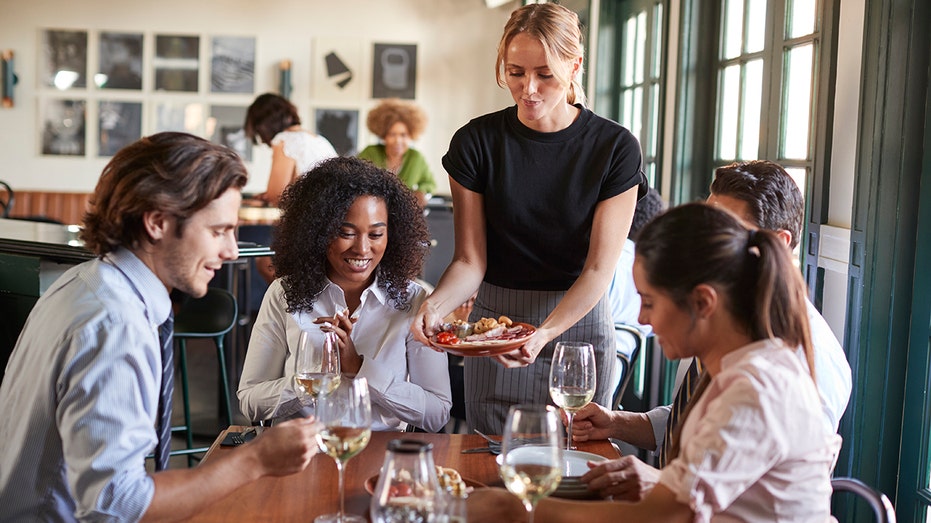
Once stereotyped as a niche preference of retirees and theater-goers, the 5 to 5:30 p.m. dinner slot has evolved into a mainstream dining trend embraced by all ages, but particularly younger generations. This shift is more than a quirk of scheduling; it reveals deeper changes in work patterns, social priorities, and economic pressures shaping how Americans organize daily life. Understanding why the early-bird special is no longer just for seniors unlocks insights into evolving cultural norms, restaurant economics, and urban rhythms.
The Bigger Picture: Historical Context and Work-Life Evolution
The concept of an early-bird dinner originated in an era when retirees, theater audiences, and certain rural communities naturally dined earlier, while most working adults ate between 6 and 8 p.m. This pattern reflected industrial and post-industrial work schedules with fixed hours and lengthy commutes. Over decades, urbanization, the rise of office culture, and television programming solidified evening dining as a social ritual starting no earlier than 6:30 p.m., often peaking around 7 to 8 p.m.
However, the last decade has seen the steady dismantling of rigid 9-to-5 patterns. Remote work, flexible hours, and gig economy roles allow professionals—especially millennials and Gen Z—to shift daily routines. This has coincided with increased health consciousness, the normalization of wellness habits, desire for better sleep hygiene, and a nostalgia for simpler, less hurried meals reminiscent of family dinners in previous generations.
What This Really Means: The Intersection of Convenience, Economy, and Culture
The resurgent popularity of dining at 5 or 5:30 p.m. represents more than convenience; it is a strategic adaptation. For many younger professionals, fitting dinner in immediately after work or before evening events maximizes leisure time later. This is especially relevant in high-cost urban markets, where time is a premium and remote work blurs the line between professional and personal hours.
From an economic lens, early dining allows restaurants to better balance service loads across a longer evening stretch, reducing peak-hour bottlenecks while increasing total revenue. Restaurants like Chicago’s Gene & Georgetti and New York City’s Delmonico's have reported that early diners still spend generously, sometimes more on premium wines and cuts like Gen X customers who opt for smoother, unrushed dinners.
The data from OpenTable, noting a 20% rise in 5 p.m. bookings in New York and a 13% increase in happy hour dining nationally, reinforces that early dining is embedding itself into mainstream habits. The trend also fits broader consumer behavior, where dining out is increasingly perceived as a special occasion event rather than routine fuel. Early dinners offer an attractive price-value balance with access to early-bird specials and lower drink expenditure.
Expert Perspectives: Diverse Motivations Across Generations
Experts emphasize multifaceted drivers at play. Michelle Durpetti, managing partner at Gene & Georgetti, highlights the lifestyle embrace of earlier dining, reflecting shifting daily rhythms. Dennis Turcinovic of Delmonico’s attributes the trend to remote work flexibility and post-work convenience. Fabiano Borsato, co-founder of Adega Gaucha, notes wellness routines and scheduling conflicts prompt millennials and Gen X toward earlier slots, albeit for different underlying reasons.
This divergence within generations emphasizes that the dining trend is not monolithic but a tapestry of social, cultural, and economic factors. Gen Z and millennials prioritize socializing and health, Gen X prioritizes family coordination and comfort, while older adults seek a less hurried, indulgent experience.
Data and Evidence: Quantifying the Shift
Several key data points underscore the trend’s scale and implications:
- OpenTable reports that 53% of Gen Z and 51% of millennials show a preference for early dinner seatings.
- New York City has seen a 20% increase in 5 p.m. bookings—a significant behavioral shift in a major dining capital.
- Happy hour dining between 4 and 5 p.m. rose 13% from last year, indicating growing demand for earlier, value-conscious dining.
- Over 60% of Americans now see dining out as a "special occasion," making earlier, less expensive options more attractive.
These figures reveal evolving consumer priorities favoring convenience, cost-effectiveness, and social value in dining choices.
Looking Ahead: What to Watch For in Dining and Lifestyle Trends
The early-bird dinner trend offers predictive insight into broader lifestyle trajectories. We can anticipate restaurants refining staffing and inventory management to optimize an extended "prime dining window," as noted by restaurant managers. This may lead to innovations in menu structuring, perhaps with greater emphasis on smaller plates or wellness-oriented options to cater to earlier diners.
Moreover, the interplay between work flexibility and social habits suggests that urban nightlife may fragment further, with early dining becoming a precursor to diversified evening leisure activities. Conversely, slower, more purposeful dining that embraces wellness and mental health may continue to grow.
Restaurants and hospitality sectors will be closely watching whether this trend endures beyond the pandemic-fueled behavioral shifts. If early dining cements itself, it could reshape everything from public transportation schedules to family routines and social calendars.
The Bottom Line: A Cultural Shift Delivered on a Plate
The rise of early-bird dinners across all generations signifies a fundamental cultural recalibration more than a simple trend. It embodies how Americans are reorganizing daily life around flexibility, wellness, and practicality amid a changing socio-economic landscape. This trend challenges restaurants to adapt and innovate in service and operations while offering a window into broader societal shifts toward valuing time and mindful living.
Topics
Editor's Comments
This trend toward early dining exemplifies how lifestyle shifts ripple across industries and cultural habits in subtle but profound ways. While superficially a scheduling choice, it intersects with deeper questions about work-life balance, urban living pressures, and evolving social rituals. Notably, it challenges the restaurant industry's long-standing operating models that rely on concentrated evening rushes. Restaurateurs must adapt or risk losing customers to more flexible competitors. Moreover, this trend invites further examination of how technology, especially remote work platforms, continues to reshape mundane yet essential daily routines such as eating. It's a reminder that even something as routine as dinner timing carries broader societal implications worth monitoring.
Like this article? Share it with your friends!
If you find this article interesting, feel free to share it with your friends!
Thank you for your support! Sharing is the greatest encouragement for us.