Unveiling the Hardship of Medieval Christians: Insights from Danish Graves

Sarah Johnson
December 3, 2025
Brief
Archaeological discoveries in Denmark's medieval graves reveal the harsh realities of early Christians, highlighting disease, short lifespans, and social inequalities that shaped life during Scandinavia's transformative period.
Opening Analysis
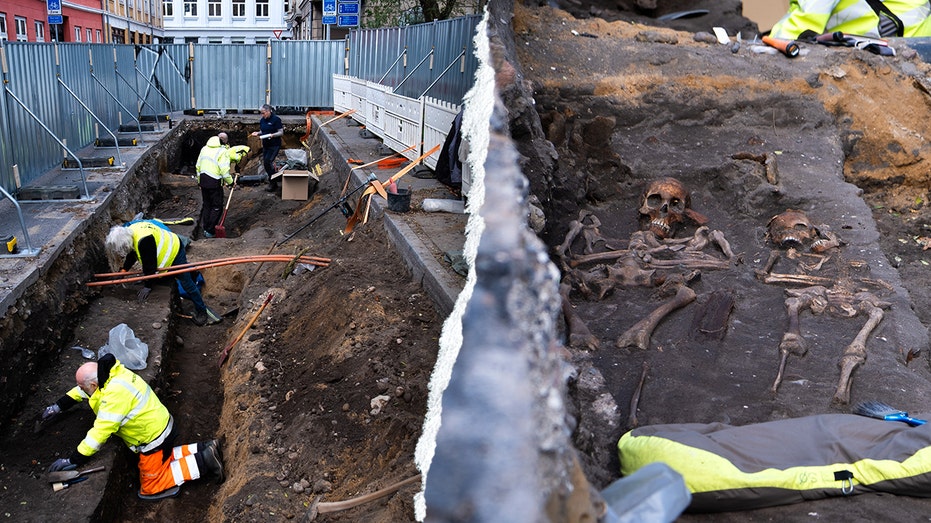
The recent discovery of medieval Christian graves in Aarhus, Denmark, offers a sobering glimpse into the harsh realities faced by early Christians in Scandinavia. These findings extend beyond mere antiquarian interest; they deepen our understanding of societal stratification, health challenges, and cultural practices during a pivotal period of Christianization. The evidence of short lifespans, pervasive disease, and social segregation underscores the resilience and fragility of medieval life, inviting a broader reflection on how early religious and social transformations shaped individual experiences amid adversity.
The Bigger Picture
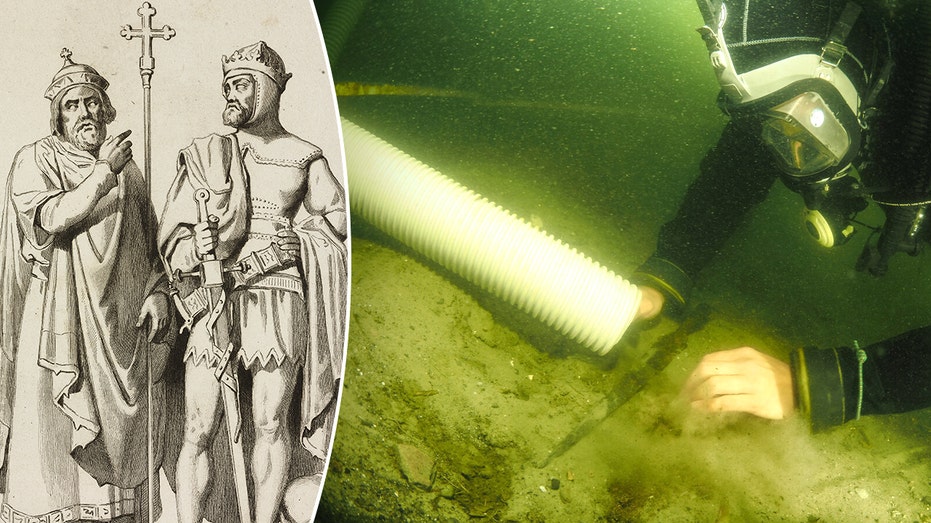
Historically, Denmark's conversion to Christianity was a gradual process, culminating around 965 AD under Harald Bluetooth, who marked this shift with notable monuments like the Jelling stones. The archaeological findings in Aarhus situate this transition within a broader Scandinavian context characterized by political consolidation, religious change, and social stratification. Medieval Denmark was transforming from a Viking-era pagan society into a Christian kingdom, but this transition was not smooth or universally accepted, often accompanied by societal tensions and disparities. The burial practices, grave density, and artifacts from the 12th century reflect a society where Christianity was becoming integral, yet societal divisions persisted—especially among the impoverished segments who used different burial sites compared to elites.
What This Really Means
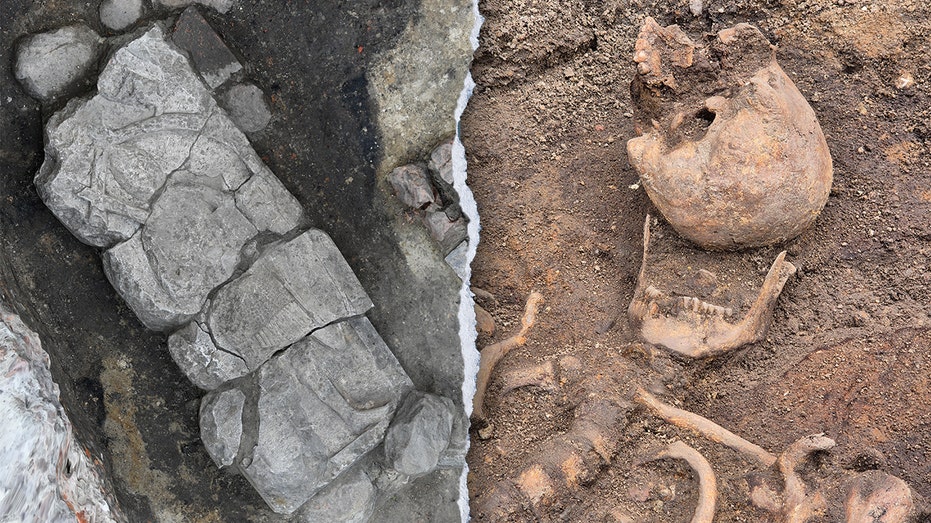
These graves reveal a story of societal stratification and public health crises that shaped medieval life. The fact that the town’s poor were buried closer to the churchyard’s edge, with densely packed graves and signs of disease, paints a picture of a marginalized population living under oppressive conditions. The short life expectancy—around 37 years—mirrors global medieval trends but resonates with specific regional health challenges, including endemic diseases like leprosy, syphilis, and waterborne illnesses. The discovery of children buried on top of each other hints at high infant and child mortality rates, likely driven by infectious diseases and poor sanitation. Such insights challenge simplistic narratives of medieval life as romanticized or solely heroic, instead emphasizing the pervasive suffering and resilience of ordinary people.
Expert Perspectives
Renowned historian and archaeologist Dr. Elizabeth Carter emphasizes that such grave discoveries help us understand not only individual stories but also societal structure. She notes, "The density and condition of these graves reflect health inequities, social neglect, and the impacts of disease outbreaks that historically decimated populations, often more severely among the poor." Similarly, epidemiologist Dr. Johan Svensson argues that studying ancient pathogens preserved in remains contributes vital data for understanding the evolution of infectious diseases. He states, "Analyzing ancient DNA from these skeletons could reveal how diseases like leprosy and plague evolved, informing modern epidemiology and pandemic preparedness."
Data & Evidence
Medieval Denmark experienced significant health crises; for instance, the Black Death struck Scandinavia around 1350, killing an estimated 50-60% of the population. The short life expectancy (around 37 years) aligns with broader European trends, and skeletal markers of disease—such as osseous lesions from leprosy—are well documented in other medieval cemeteries. Studies indicate that infectious diseases caused about 60-70% of deaths during this period. The presence of grave goods in only a few skeletons suggests social stratification, with poorer individuals often receiving less elaborate burials. The discovery of a coin in a child's mouth from the 17th century also illustrates persistent folk practices and beliefs about death and the afterlife, revealing cultural continuity amid societal upheavals.
Looking Ahead
Further scientific analysis—particularly ancient DNA sequencing—could elucidate specific pathogens and transmission routes. Such data would deepen understanding of medieval epidemiology, potentially unveiling how diseases spread through trade routes, migration, and urban density. Additionally, these findings highlight the importance of ongoing archaeological investigations in lesser-studied regions, revealing how social inequalities persisted even after Christianization. This research could inform modern public health by illustrating how social determinants influence disease vulnerability, emphasizing the need for integrated health and social policies today.
The Bottom Line
The medieval graves unearthed in Aarhus offer a vivid window into the hardships faced by early Christians—marked by disease, short lives, and social marginalization. They challenge romanticized notions of the past, illuminating a society embroiled in health crises and social disparities. Future analyses promise to deepen this understanding, revealing the intertwining of health, society, and religion during a transformative era in Scandinavian history. Ultimately, these revelations serve as a poignant reminder of human resilience amid adversity and the importance of addressing social inequities across eras.
Topics
Editor's Comments
This archaeological find underscores the enduring human experience of vulnerability and resilience. While it sheds light on tangible aspects of medieval life—disease, poverty, social stratification—it also invites us to consider how modern societies can learn from past inequalities. The persistent presence of disease and social marginalization reminds us that public health is inseparable from social justice. As future analyses unravel the specific pathogens involved, we may better understand the mechanisms of disease transmission and societal response, offering valuable lessons for contemporary pandemic management. Ultimately, this discovery challenges us to view history not just as a series of dates and artifacts, but as a reflection of human struggle and resilience that continues into the present.
Like this article? Share it with your friends!
If you find this article interesting, feel free to share it with your friends!
Thank you for your support! Sharing is the greatest encouragement for us.