Russian Espionage via UK Cargo Ships: A New Chapter in Hybrid Warfare Threats

Sarah Johnson
December 5, 2025
Brief
Analysis of Russian spies infiltrating UK via commercial cargo ships reveals evolving espionage tactics exploiting global trade routes and weak port security, highlighting urgent hybrid threat challenges.
Why This Story Matters
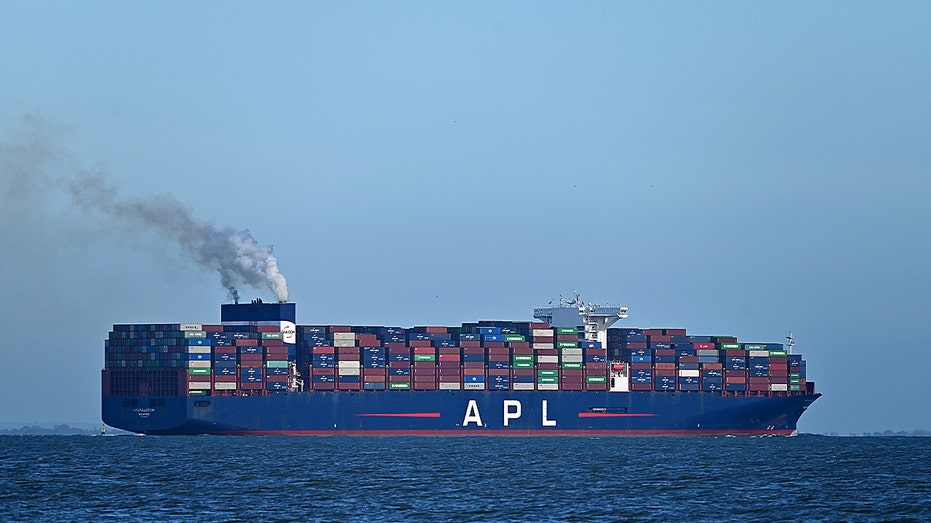
The recent revelations that suspected Russian spies infiltrated the United Kingdom aboard commercial cargo ships to surveil sensitive military and government sites underscore the intensifying hybrid threat environment facing Western democracies. This operation highlights how traditional notions of espionage have evolved amid geopolitical tensions, reflecting Russia’s persistent drive to exploit weak points below the threshold of open conflict. Understanding this incident’s broader context sheds light on the security challenges posed by covert movements within global trade networks and port infrastructure, revealing vulnerabilities that have remained underappreciated in mainstream security discourse.
The Bigger Picture: History and Context
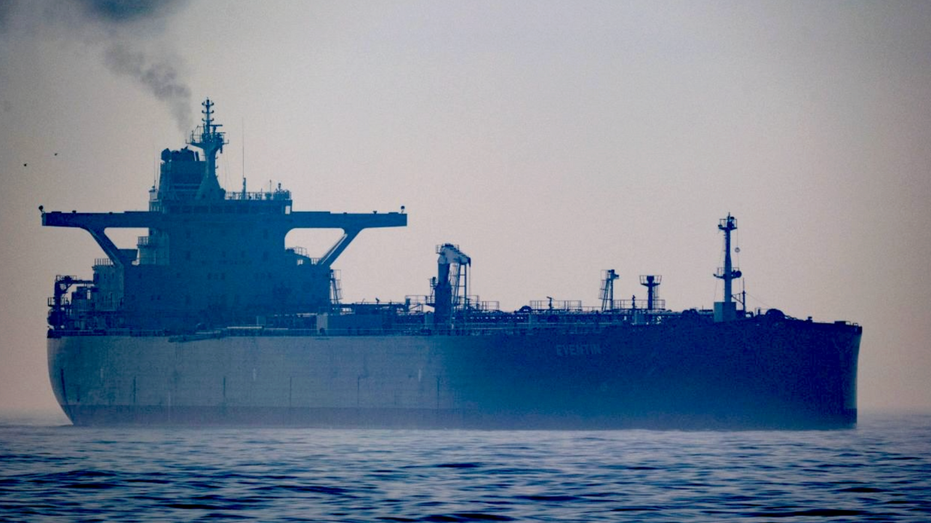
Espionage through covert maritime infiltration is not new. Throughout the Cold War, Soviet intelligence services often used merchant vessels and commercial shipping as vessels for clandestine transport of agents and equipment. What distinguishes the current episode is the sophistication and subtlety in Russia’s approach amid 21st-century globalization and hardened border controls post-2010s counterterrorism era. By leveraging non-Russian-flagged cargo ships, agents bypass conventional customs and immigration scrutiny, exploiting legitimate commercial networks integrated into global supply chains.
The specific entry points—ports of Torquay, Middlesbrough, and Grangemouth—are noteworthy. These locations are strategically important both commercially and militarily, and some are earmarked for future defense manufacturing projects. Historically, ports have served as intelligence collection hubs; here, they again reveal themselves as critical nodes vulnerable to illicit exploitation given the sheer complexity and volume of modern maritime logistics.
Underlying Causes and Motivations
Russia’s motivations for deploying human operatives via maritime means appear twofold. First, despite growing cyber and signal intelligence capabilities, human intelligence (HUMINT) remains vital for granular, context-rich insights particularly around new or planned defense infrastructure. Second, Russian intelligence attempts to circumvent U.K. and allied heightened border security by adopting indirect, less conspicuous routes.
These operatives reportedly tested European ports for weaknesses, suggesting an ongoing intelligence campaign rather than an isolated incident. This aligns with Russia’s hybrid warfare doctrine whereby layered, persistent probing aims to gauge response times, identify vulnerabilities in physical or digital security, and plant seeds for potential sabotage or misinformation operations in the future.
Connection to Broader Societal and Geopolitical Trends
This case exemplifies a broader pattern of leveraging commercial transport avenues as vectors of state influence and espionage. In the era of globalization, ports have become soft targets and points of strategic competition, with Russia, China, and other actors seeking to morph benign economic activity into information warfare grounds.
Domestically, the incident raises questions about the balance between economic openness and national security. Many countries prioritize port efficiency and trade facilitation, often creating blind spots where intelligence actors can slip through. It also exposes the limits of contemporary intelligence-sharing frameworks within alliances like NATO, which may struggle to fully monitor irregular yet legitimate commercial maritime traffic.
Expert Perspectives
Elisabeth Braw, senior fellow at the Atlantic Council, emphasizes the necessity for Russia to have its own operatives physically present, not merely rely on digital espionage or leveraging existing sympathizers inside target countries. This reflects a strategic understanding that human agents provide irreplaceable capabilities for on-the-ground reconnaissance and operational groundwork.
A senior NATO official highlighted that Russian intelligence operatives’ use of ‘non-shadow fleet’ commercial vessels is a deliberate maneuver to reduce detection risks, exploiting maritime networks that are often loosely regulated and inspected due to their civilian nature.
Data & Evidence
Though detailed operational data remain classified, analysts note rapidly increasing maritime traffic volumes through UK ports—roughly 475 million tonnes of cargo passed in the previous year—making thorough vetting of every cargo ship an immense challenge. Additionally, approximately 50% of UK’s imports and exports transit through ports with limited military oversight, underscoring the strategic gaps available to foreign intelligence services.
Moreover, the Ministry of Defense’s recent designation of some currently unused brownfield docklands as potential weapon production sites adds urgency. The presence of foreign spies at such locales prior to development could facilitate sabotage, insider information leaks, or targeted cyber-physical attacks once operations commence.
Looking Ahead: What to Watch For
This development suggests the UK and its allies must urgently enhance maritime domain awareness by integrating intelligence, customs, and port authorities to flag unusual personnel movements aboard commercial vessels. Investments in AI-driven cargo and personnel screening, alongside increased cooperation with shipping companies, could mitigate risks.
Politically, this incident could prompt reassessments in UK-Russia diplomatic relations and mirror broader NATO moves toward confronting hybrid threats with more aggressive countermeasures, including naval patrol reinforcements and expanded sanctions targeting proxy shipping firms. The underlying tension between maintaining open trade channels and securing national defense infrastructure remains a critical policy challenge.
Moreover, this case will likely influence global maritime security discourse, pressing international bodies such as the International Maritime Organization to revisit protocols surrounding the monitoring and vetting of ships, crews, and cargoes in sensitive regions.
The Bottom Line
Russia’s covert insertion of espionage operatives via commercial cargo ships in the UK signals a resurgence and evolution of maritime clandestine tactics aligned with a broader hybrid warfare strategy. This represents an urgent wake-up call for Western governments and security establishments to revisit vulnerabilities inherent in modern commercial port operations and rethink intelligence paradigms in an interconnected world. Failure to address these challenges risks allowing hostile actors unfettered access to critical military sites under the guise of legitimate commerce, with far-reaching consequences for national and allied security.
Topics
Editor's Comments
This incident exposes the nuanced and persistent nature of Russia’s hybrid threat strategy, which eschews overt military confrontation in favor of stealthy, incremental probing of Western vulnerabilities. It challenges assumptions that modern border security and intelligence postures are sufficient to prevent infiltration, especially when adversaries leverage global commercial infrastructure. Moreover, the choice of dormant defense production sites as reconnaissance targets signals a longer-term strategic calculus aimed at undermining UK defense readiness ahead of potential future escalations. This raises urgent questions about the adequacy of existing protocols and the need for integrated, multi-domain security frameworks that combine physical, maritime, and cyber defenses. It also highlights the difficulty democratic states face in balancing open trade with security, underscoring that vigilance in peacetime is a prerequisite for safeguarding sovereignty in times of crisis.
Like this article? Share it with your friends!
If you find this article interesting, feel free to share it with your friends!
Thank you for your support! Sharing is the greatest encouragement for us.