Prince Andrew’s Royal Lodge Eviction Reflects Deep Monarchy Divides and Pressures to Modernize

Sarah Johnson
December 4, 2025
Brief
An in-depth analysis of Prince Andrew's housing demands reveals underlying tensions in the British monarchy between tradition and modernization amid scandal and shifting public expectations.
Unpacking Andrew's Post-Royal Lodge Demands: A Mirror of Monarchy in Transition
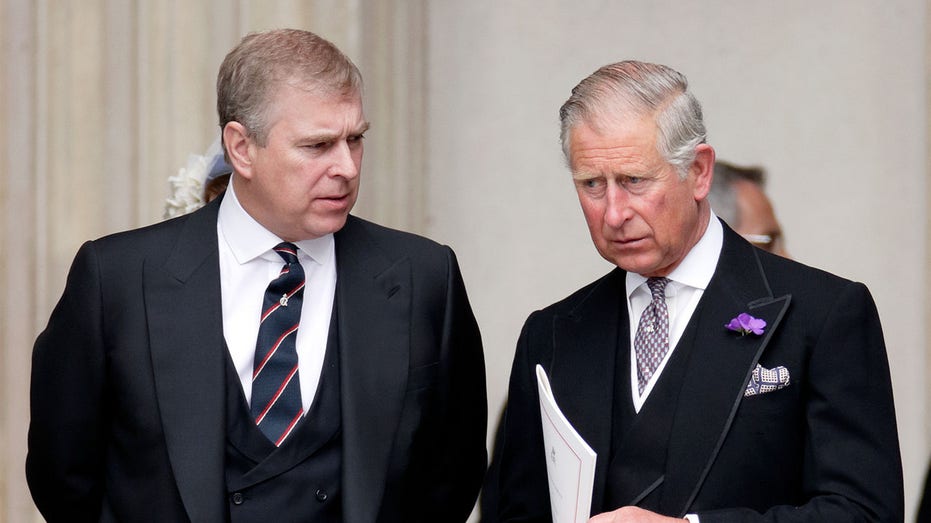
The saga of ex-Prince Andrew's exit from Royal Lodge extends beyond mere real estate disputes. It encapsulates a royal institution grappling with legacy, public perception, and the reinvention pressures imposed by 21st-century values. Andrew's demands for a six-bedroom estate with a full complement of staff and police protection reveal tensions not only within the royal family but also within the evolving nature of monarchy itself.
The Bigger Picture: Historical Privilege vs. Modern Accountability
For centuries, royal family members, especially those close to the monarch, enjoyed impeccable privileges including lavish residences and extensive household staff paid by the Crown. Royal Lodge, a Grade II listed mansion on the Sandringham estate, symbolizes this tradition of opulence and status within the British aristocracy. Andrew’s 75-year lease on Royal Lodge, granted while his mother, Queen Elizabeth II, was sovereign, is part of this enduring structure.
However, recent decades have seen a seismic shift toward greater public scrutiny and accountability of royals—particularly those embroiled in scandals. Andrew's association with Jeffrey Epstein, and ensuing allegations, have propelled him into an unprecedented fall from grace, marked by the stripping of his royal titles and removal from official duties. Historically, such a fall was rare and often avoided public spectacle, but today’s persistent media and public pressure demand transparency and consequences.
What This Really Means: A Family Fracture and Institutional Rebranding
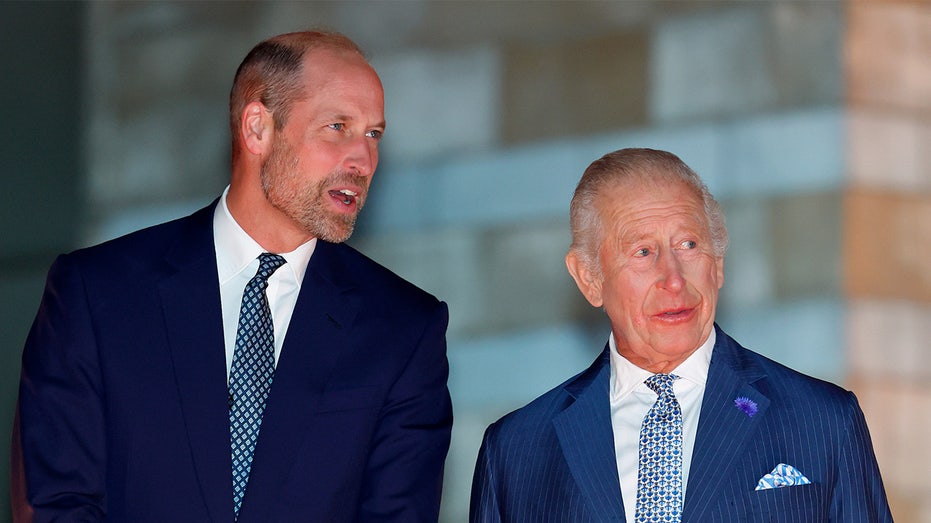
Andrew’s reportedly audacious demands underscore a familial and institutional rift. King Charles, seeking to modernize and streamline the monarchy, faces the challenge of balancing tradition with urgent reputational concerns. His apparent frustration with Andrew signals an intentional distancing intended to cleanse the Crown’s image ahead of future transitions, especially Prince William’s eventual ascension.
The contention over Andrew’s housing arrangements is more than a property dispute; it serves as a proxy battle between old notions of inherited entitlement and emerging ideas of merit, propriety, and public service. As royal commentator Meredith Constant notes, Prince William views Andrew as a troubling shadow on the monarchy’s future, one that could hinder efforts at modernization.
Expert Perspectives: Voices on Entitlement and Public Perception
Royal experts highlight the complexity of this episode. Helena Chard observes that Andrew's demands—full staff including cooks, gardeners, and police protection—reflect a man out of sync with current public attitudes. Critics argue this entitlement appears tone-deaf amidst widespread public frustration over royal excess and lack of accountability.
Hilary Fordwich describes Andrew as “desperate” to salvage privilege, yet ultimately damaging the monarchy’s broader standing. This reflects a common tension in transitional institutions where individuals’ self-interest conflicts with collective institutional renewal.
Meredith Constant also offers a critical lens on Andrew’s motivations, suggesting he sees himself primarily as a victim and is focused on financial considerations rather than rehabilitating public trust—actions that risk prolonging negative attention.
Data & Evidence: Shifting Public Sentiment and Institutional Funding
Public trust in the British monarchy has fluctuated, often dipping sharply following scandals. For instance, UK polls in recent years show decreasing support among younger generations, correlating with heightened media scrutiny of royal finances and scandals. The Sovereign Grant, taxpayer-funded subsidies supporting royal residencies, has faced calls for tighter regulation, transparency, and potential cuts.
Royal household staffing and security represent significant ongoing expenses—full-time staff can number dozens for senior royals. Demands for police protection, too, implicate public resources, raising questions about entitlement versus taxpayer burden in cases where royals are no longer working members.
Looking Ahead: Broader Implications for the Monarchy's Evolution
Andrew’s relocation battle highlights the monarchy's broader identity crisis, caught between preserving ceremonial grandeur and adapting to societal expectations for humility and accountability. King Charles’s efforts to present a leaner, more relatable monarchy may require further redefinition of privileges previously taken for granted.
Moreover, the episode may influence how future generations of royals manage privilege, scrutiny, and survival within an increasingly media-driven and democratized culture. It also raises questions about how family dynamics and institutional priorities will reconcile when private disputes become matters of public consequence.
The Bottom Line
Prince Andrew's demands for a grand new residence and retained staff are emblematic of a clash between entrenched royal privilege and urgent modernizing pressures. This conflict underscores tensions within the monarchy as it navigates a delicate transformation in the shadow of scandal. How King Charles resolves this standoff will signal the monarchy’s trajectory toward greater relevance or further public alienation in the decades ahead.
Topics
Editor's Comments
This episode shines a spotlight on the delicate balancing act the British monarchy must perform between preserving centuries-old traditions and adapting to the 21st century’s demand for accountability and fiscal responsibility. Andrew’s demands, seemingly disconnected from a reality in which public funds and sentiment play a larger role, expose fissures not just familial but institutional. How King Charles navigates this—maintaining family loyalty while projecting a forward-looking monarchy—is crucial. It also raises a broader question: can an institution founded on inherited privilege truly transform without fundamentally altering its social contract with the public? This isn’t just a property dispute; it’s a barometer of the monarchy’s viability and relevance going forward.
Like this article? Share it with your friends!
If you find this article interesting, feel free to share it with your friends!
Thank you for your support! Sharing is the greatest encouragement for us.