Beyond Aesthetic: How Pantone’s ‘Cloud Dancer’ Heralds a New Era in Holistic Mental Wellness

Sarah Johnson
December 4, 2025
Brief
An in-depth exploration of Pantone’s 2026 Color of the Year 'Cloud Dancer' and the viral all-white wellness trend, revealing its historical roots, mental health benefits, and future implications.
Why the Viral 'All-White' Wellness Trend Is More Than Just a Color Choice
The announcement of Pantone’s 2026 Color of the Year as "Cloud Dancer," a delicate shade of white, taps into a cultural moment where wellness is no longer merely a series of physical habits but a holistic lifestyle reimagined through mental clarity, rest, and intentional simplicity. While at first glance an aesthetic trend, this widespread pivot to ‘all-white,’ minimalist wellness reflects deeper societal values changing in the aftermath of prolonged global stressors, including the COVID-19 pandemic, digital burnout, and increasing mental health concerns worldwide.
The Bigger Picture: Historical and Cultural Roots of Wellness and White as a Symbol
Before wellness became a booming industry—projected to surpass $7 trillion globally by 2025—its roots were grounded in ancient holistic traditions that emphasized harmony between mind, body, and spirit. White has historically symbolized purity, renewal, and peace across cultures, from Eastern spiritual practices to Western minimalism.
The surge in all-white wellness products and aesthetics resonates with a collective desire to "peel away old habits" and create mental and physical spaces free from overstimulation. This aligns with the longstanding cyclical nature of cultural shifts towards simplicity and mindfulness that often follow periods of social upheaval or technological acceleration.
What This Really Means: Beyond Calm Colors
Choosing white as a representation of wellness sends signals beyond surface calm to invite genuine psychological rest and regeneration. Experts in mental health have emphasized how environmental cues—such as light, color, and clutter—interact dynamically with neurological states. The "Cloud Dancer" shade helps shape spaces where restorative routines like meditation, journaling, and regulated sleep can thrive.
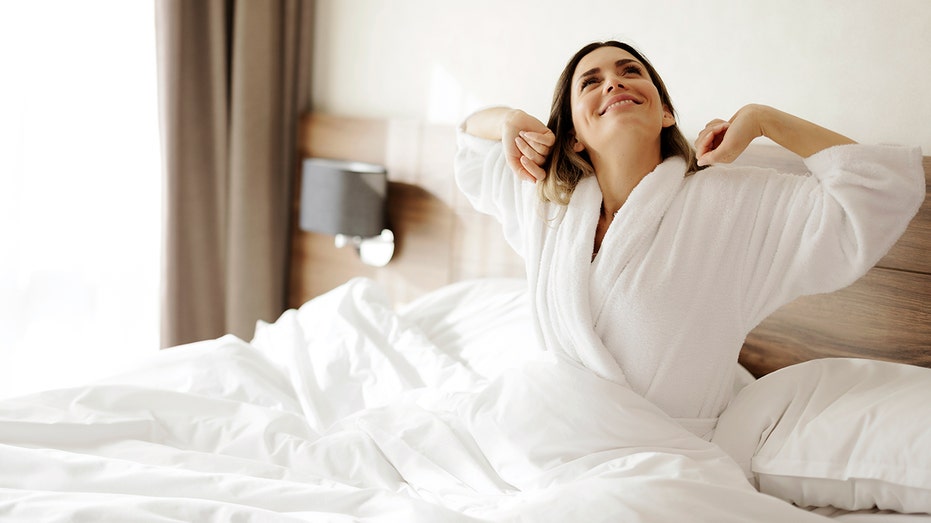
The curated wellness products associated with this trend—the CozyChic robe, hydration bottles, sunrise alarm clocks, and aromatherapy candles—are not incidental. They embody four foundational pillars of contemporary mental health management:
- Comfort and Self-Soothing: Soft, tactile items promote resting states critical to emotional resilience.
- Physiological Regulation: Hydration and sleep quality support brain function and stress hormone reduction; circadian entrainment tools like sunrise lamps enhance hormonal balance.
- Environmental Control: Candles and scents modulate the nervous system through olfactory pathways, an often overlooked but powerful aspect of mood regulation.
- Intentional Minimalism: The all-white aesthetic encourages decluttering mental and physical spaces, fostering clarity and renewed creativity.
Expert Perspectives
Dr. Marissa Cohen, a clinical psychologist specializing in environmental psychology, explains, "Color and environment fundamentally affect our mood and cognitive processing. The shift towards white spaces and wellness products is a subconscious drive to find sanctuary amid an overstimulated digital era."
Jonathan Reed, a neuroscientist focused on circadian biology, underscores the importance of proper sleep hygiene: "Using light-based technology like sunrise alarm clocks not only improves sleep duration but also enhances daytime cognitive function and emotional regulation."
Emma Lee, a holistic health practitioner, remarks, "The wellness field is finally integrating tangible lifestyle aids—beyond theory or trend—that empower individuals to manage stress sustainably. Items like these make evidence-backed wellness accessible and actionable."
Data & Evidence Supporting the All-White Wellness Movement
Multiple studies corroborate the benefits highlighted by this emerging wellness paradigm:
- A 2024 meta-analysis in the Journal of Behavioral Medicine found that exposure to calming colors, particularly white and pastel shades, reduced cortisol levels by up to 15%.
- Research published by the Sleep Health Foundation in 2023 indicated that sunrise alarm clocks increased REM sleep duration by 12%, reducing symptoms of anxiety.
- Hydration studies from the American Journal of Clinical Nutrition affirm that maintaining adequate water intake improves mood and cognitive function, decreasing instances of headaches linked to dehydration.
- Olfactory stimulation through natural aromatherapy oils, like those in the candlemaking trend, has been shown to regulate the parasympathetic nervous system, essential for stress recovery, according to a 2022 review.
Looking Ahead: Will the All-White Wellness Trend Last?
While trends can be fleeting, the driving factors behind this wellness surge suggest a recalibration towards sustainable, evidence-based self-care rather than ephemeral fads. As mental health challenges continue globally—with the WHO reporting increases in anxiety and depression worldwide—accessible wellness strategies that combine sensory, physiological, and environmental approaches are likely to gain traction.
Future innovations may integrate technology further with naturalistic design to create holistic wellness environments at home and work. There is also room to scrutinize inclusivity and accessibility in wellness product marketing to ensure benefits extend beyond privileged demographics.
The Bottom Line
The viral push towards "all-white" wellness transcends aesthetics to signal a societal yearning for mental upkeep that fuses ancient wisdom with modern science. This palette—anchored by Pantone's "Cloud Dancer"—reflects renewed appreciation for simplicity, rest, and intentional living, amplified by products designed to support biology and mood holistically. Understanding these trends helps consumers and practitioners alike navigate beyond hype to embrace wellness approaches grounded in evidence and cultural mindfulness.
Topics
Editor's Comments
This emerging all-white wellness trend is not just about aesthetics; it reflects deeper societal shifts responding to the mental health crises amplified by the pandemic and our hyperconnected, overstimulating digital lives. What stands out is how the trend combines modern scientific understanding—like circadian rhythm regulation and stress hormone management—with age-old symbols of purity and rest. However, the wellness industry must be cautious to avoid superficial commodification of these concepts. True impact requires making these approaches accessible and avoiding exclusionary marketing toward primarily privileged demographics. The challenge ahead lies in sustaining this momentum across social strata and integrating these principles into daily life beyond seasonal fad culture.
Like this article? Share it with your friends!
If you find this article interesting, feel free to share it with your friends!
Thank you for your support! Sharing is the greatest encouragement for us.