Beyond the Entry Gate: How New National Park Passes Reshape Access and Funding Priorities

Sarah Johnson
December 3, 2025
Brief
Analysis of the new 'America the Beautiful' park pass policy reveals a shift toward resident-focused pricing, tripling fees for nonresidents to address funding gaps and reshape national park accessibility and tourism dynamics.
Opening Analysis
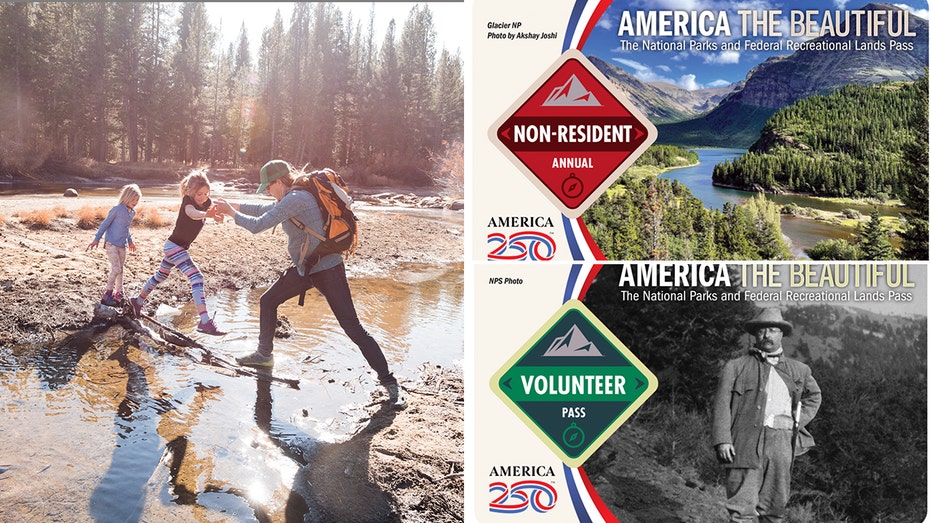
The recent overhaul of the "America the Beautiful" national park passes by the Department of the Interior represents a critical pivot in how access to public lands is managed and financed in the United States. By introducing a residency-based fee structure that dramatically increases costs for nonresidents, the policy explicitly prioritizes "American families" while substantially raising the entry cost burden on international and out-of-state visitors. This shift, framed as an effort to reaffirm national stewardship and address mounting park maintenance backlogs, raises important questions about balancing accessibility, equity, revenue generation, and the preservation of national treasures amid skyrocketing visitation.
The Bigger Picture
The U.S. National Park System, established in the late 19th and early 20th centuries, has traditionally operated under a philosophy of public access and preservation. Early champions like President Theodore Roosevelt emphasized conservation not only as a legacy but as a democratic good, open to all Americans. However, as visitation surged—reaching over 330 million visits in 2024—the cost of maintaining infrastructure, mitigating environmental impacts, and funding programs outpaced traditional federal allocations. Deferred maintenance is estimated at billions of dollars.
Historically, entrance fees have been a modest component of park funding, with the federal government responsible for much of the upkeep. But changing political priorities, budget constraints, and increased tourism—especially from international travelers—have pushed policymakers to reconsider how the financial burden is distributed. This new fee structure is the most pronounced instance of explicitly differentiating resident vs. nonresident access costs, marking a turn towards a more protectionist, revenue-focused approach.
What This Really Means
The policy’s headline message of putting "American families first" conveys an intent to ensure affordability for U.S. taxpayers while seeking to have nonresidents shoulder a larger share of park funding. The $80 annual pass for residents contrasts starkly with the $250 fee proposed for nonresidents, tripling the cost for visitors who do not reside in the United States. For nonresident visitors, the cost of accessing iconic parks like Yellowstone, Yosemite, and the Grand Canyon could become a significant deterrent, potentially altering travel patterns and impacting local economies dependent on tourism.
Moreover, the surcharge system—$100 per person for entrance without an annual pass to certain high-profile parks—introduces a layer of complexity and unpredictability for international visitors unfamiliar with this structure. This could lead to lower foreign visitation, shifting the visitor demographic towards more local and regional tourists, which might alleviate some environmental pressures but also reduce cross-border cultural exchange and tourism revenue.
Another critical point is the earmarking of revenues. Funds from online purchased passes support the entire park system, implying the intent to boost overall maintenance and upgrades nationwide. Meanwhile, passes bought on-site benefit the park visited, preserving a link between usage and local benefit. This dual approach reflects an evolving funding model balancing system-wide preservation and local management needs.
Expert Perspectives
Dr. Emily Weist, Environmental Economist: "This residency-based pricing model is an innovative, if controversial, way to recalibrate who pays for public resources. It's understandable given the maintenance backlogs, but policymakers must carefully monitor socioeconomic impacts, especially on the hospitality and tourism businesses in gateway communities."
John Martinez, Executive Director, National Parks Conservation Association: "Ensuring affordability for U.S. residents aligns with the parks’ founding principles, but tripling fees for nonresidents risks undermining international goodwill and the global appreciation of our natural heritage. There’s a fine balance between revenue generation and openness that must be managed carefully."
Prof. Sarah Liu, Tourism and Public Policy Scholar: "The nonresident surcharges may recalibrate visitor flows and impact economic ecosystems around these parks. Lower visitation from international visitors could reduce spending but might give some ecological relief. The policy must be studied for both environmental and socio-economic outcomes."
Data & Evidence
- In 2024, U.S. national parks saw more than 330 million visits, straining infrastructure and park services.
- Deferred maintenance costs across the National Park System are estimated at approximately $12 billion, according to the National Park Service’s reports.
- Under the new scheme, annual pass prices for residents are $80, seniors can access passes as low as $20 annually or $80 for lifetime passes, while nonresidents face $250 annual fees.
- The new fees target 11 of the most visited and iconic parks that collectively account for a disproportionate share of total visits and revenue.
- Free access initiatives remain for fourth-grade students, veterans, military, permanent disabled Americans, and volunteers contributing 250 hours, reflecting equity and public service considerations.
Looking Ahead
Going forward, the policy signals a growing trend toward differential pricing for public resources tailored by residency, potentially expanding to other federal or state lands and recreational areas. Monitoring effects on visitation demographics, local economies, and long-term conservation funding will be critical.
Key issues to watch include how the fee increase affects infrastructure funding levels over the next 5-10 years, whether visitation patterns shift significantly away from nonresidents, and how tourism-dependent communities adapt.
Potential adjustments may be needed if the surcharge leads to sharp visitor declines or if political pressures arise concerning international access and perceptions of "American exceptionalism" in public land use. Additionally, the use of technology-enabled digital passes may improve efficiency and data collection, enabling more dynamic and responsive pricing strategies in the future.
The Bottom Line
The revamped "America the Beautiful" pass program embodies a strategic pivot: prioritizing affordability for American residents while significantly increasing fees for nonresidents to fund essential maintenance. This approach addresses an urgent funding crisis in the National Park System but raises complex questions about the balance between access, equity, conservation, and economic impact. Its success will depend on carefully navigating these trade-offs in the coming years.
Topics
Editor's Comments
This policy introduces a notable shift in how national parks are funded and accessed, explicitly privileging residents over nonresidents. While addressing a serious funding shortfall, it also raises questions about the role of public lands in international tourism and the American global image. There's a risk that hiking fees for foreign visitors could reduce goodwill and international engagement with U.S. natural heritage, but it may also prompt greater local stewardship and reduce overuse. The conversation surrounding this policy should remain attentive to balancing economic, environmental, and cultural outcomes. I will be following how local economies respond and whether this model expands to other areas of public land management.
Like this article? Share it with your friends!
If you find this article interesting, feel free to share it with your friends!
Thank you for your support! Sharing is the greatest encouragement for us.