The Maine Campus Pro-Life Controversy: Free Speech, Threats, and the Battle Over Abortion on College Grounds

Sarah Johnson
December 5, 2025
Brief
An in-depth analysis of the escalating campus abortion debate at University of Southern Maine, exploring social media threats, free speech challenges, and the broader societal polarization driving conflicts.
Why the Maine Campus Pro-Life Group Controversy Matters
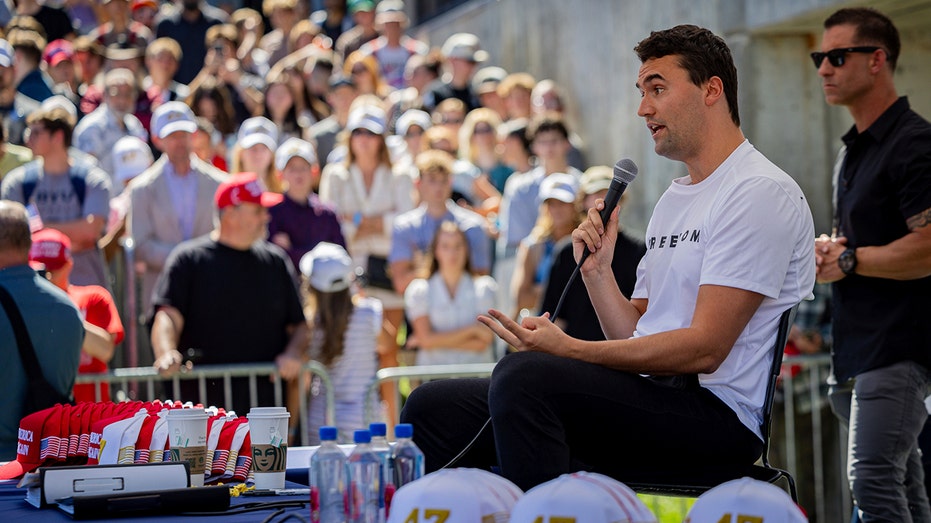
The recent social media threat targeting the University of Southern Maine's new pro-life student group, Huskies4Life, marks more than just an isolated online dispute. This episode highlights the deeply polarized climate surrounding abortion discourse on college campuses, where political identities and ideological contestations often manifest as conflicts over free speech, safety, and campus culture. The invocation of Charlie Kirk — a influential conservative figure whose name has become shorthand for contentious culture-war battles — underscores how symbolic and emotional the abortion debate remains more than a decade post-Roe, especially among young adults navigating evolving political landscapes. Beyond the headline shock value, this incident reveals broader societal fissures in information ecosystems, generational ideology, and the delicate balance universities must strike between protecting freedom of expression and ensuring student wellbeing.
Context: The Evolving Campus Battleground Over Abortion and Speech
Since the overturn of Roe v. Wade in 2022, abortion rights have shifted from predominantly judicial terrain to grassroots and institutional arenas — particularly college campuses where young voters form their values amid a polarized media environment. Student groups advocating for or against abortion rights have increasingly become flashpoints for campus tensions, protests, and administrative challenges. The University of Southern Maine's Huskies4Life chapter is the latest example of how pro-life organizing has gained traction nationally while facing fierce opposition through social media campaigns and direct protests. Historically, student political activism in U.S. universities dates back to the 1960s, but abortion has become one of the most volatile issues, intersecting with freedom of speech debates intensified by rising social media anonymity and political polarization.
The platform involved here, Yik Yak, is notable for its anonymous format that frequently facilitates unmoderated, sometimes hostile discourse among college-aged users. This technological context amplifies the stakes, as anonymous threats often elude traditional accountability and exacerbate campus tensions without clear avenues for resolution.
Deeper Implications: Polarization, Freedom of Expression, and Campus Safety
The recent threats combining abortion politics with references to Charlie Kirk illuminate an alarming trend: digital rhetoric that flirts with intimidation, referencing violence against public figures, and adding a chilling effect on open dialogue. This provokes critical questions about the health of democratic discourse among emerging adults. How can universities protect students' rights to express deeply held beliefs on divisive matters when opposing sides feel existentially threatened? How does anonymous social media disrupt norms of civil debate and erode trust in community safety?
The reactions of Huskies4Life's members highlight a complicated dynamic. They claim a commitment to respectful dialogue and nonviolence even amid provocative attacks and protests, reflecting a strategic choice to maintain moral high ground. Yet, statements from the pro-life coordinating leadership reveal an acute awareness of the risks inherent in involvement in such contested campus politics. This juxtaposition underscores how modern activism often requires simultaneous navigation of ideological conviction and vigilant risk management.
Expert Perspectives on Campus Political Conflict and Free Speech
Kristan Hawkins, president of Students for Life of America, condemns the intimidation tactics and highlights the resilience of pro-life student activists nationwide, emphasizing abortion as a human rights issue for young generations. Her perspective aligns with a broader conservative narrative framing campus pro-life activism as both courageous and under siege.
Academics studying campus free speech, such as Greg Lukianoff of the Foundation for Individual Rights in Education (FIRE), suggest these incidents reflect wider societal fragmentation where digital anonymity aggravates threats and censorship fears. Lukianoff advocates for universities to enforce clear policies that balance free inquiry with protections against harassment.
Meanwhile, sociologists like Arlie Hochschild emphasize emotional polarization and cultural backlashes explaining why debates like abortion become sites of 'moral estrangement'—where groups see opponents not merely as mistaken but as existential enemies, intensifying conflict and reducing possibilities for dialogue.
Data and Trends: Rising Campus Political Hostility
Studies reveal a spike in politically motivated harassment and threats on U.S. campuses over the past five years. According to a 2023 national survey by the Higher Education Research Institute, approximately 35% of students involved in controversial political activism reported experiencing threats or harassment online. This coincides with the rapid growth of anonymous social media platforms among youth, complicating monitoring and mitigation efforts.
Data from the American Civil Liberties Union (ACLU) shows that while most universities endorse free speech protections consistent with the First Amendment, enforcement varies widely, especially when speech verges on harassment or threats. In response, some campuses have initiated new protocols for responding to anonymous digital threats, combining legal recourse with mental health supports.
Looking Forward: What to Watch in Campus Abortion Politics
The Huskies4Life incident signals potential escalation points in campus abortion debates: rising social media hostility, challenges to student group recognition, and protests disrupting events. Universities may face mounting pressure to refine policies balancing open dialogue with safety. Administrators will likely need to enhance partnerships with law enforcement and mental health services while fostering constructive intercultural communication frameworks.
For student activists, the episode may deepen a strategic pivot towards protective measures without sacrificing visibility. National pro-life and pro-choice organizations will continue leveraging campus battles as microcosms of broader political struggles, potentially influencing midterm elections and party platforms via young voter mobilization.
The Bottom Line: Beyond Campus, A Microcosm of National Fractures
The situation at USM is emblematic of a nationwide struggle where youth-driven political identities are forged in increasingly hostile, ideologically segmented environments. The convergence of digital anonymity, symbolic political figures like Charlie Kirk, and flashpoint issues like abortion underscores how universities have become battlegrounds reflecting and amplifying wider societal divides. Ultimately, the challenge ahead is fostering an educational climate where free speech thrives but does not become a cover for threats, and where ideological opponents can engage without fear—a difficult but necessary path for democratic renewal.
Topics
Editor's Comments
This incident at University of Southern Maine crystallizes the complexities of the current campus climate where political activism intersects with social media-driven anonymity and escalating polarization. The invocation of Charlie Kirk’s name in veiled threats is not merely rhetorical but indicative of a broader culture of intimidation that complicates genuine dialogue. It raises urgent questions about how universities can uphold principles of free inquiry while safeguarding students from harassment—especially when digital platforms exist beyond institutional control. Moreover, this reveals the enduring potency of abortion as both a deeply personal and a highly politicized issue, illuminating how such conflicts serve as microcosms for national divides. Future strategies must balance protections for vulnerable student activists with robust commitments to free speech, all while fostering spaces for civil discourse amid relentless social and political pressures.
Like this article? Share it with your friends!
If you find this article interesting, feel free to share it with your friends!
Thank you for your support! Sharing is the greatest encouragement for us.