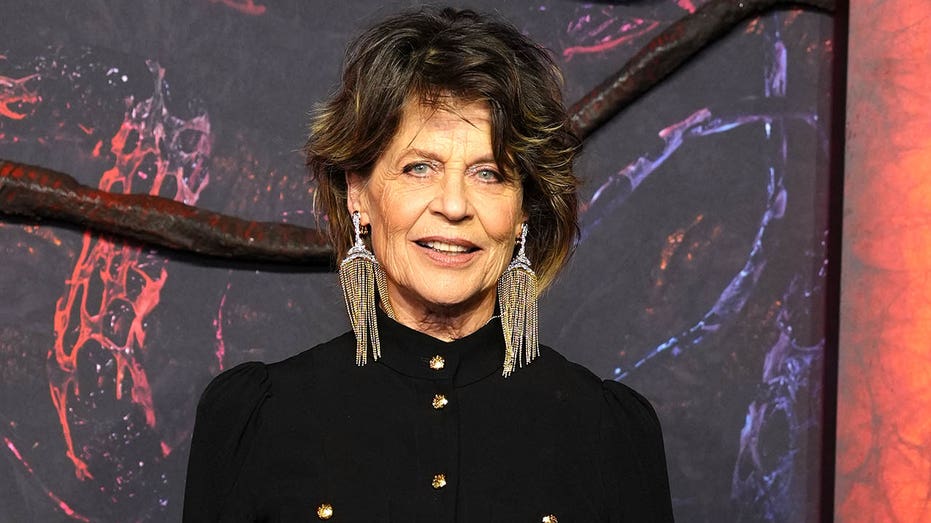
Linda Hamilton’s Bold Embrace of Aging: Challenging Hollywood’s Youth Obsession and Redefining Beauty

Sarah Johnson
December 3, 2025
Brief
Linda Hamilton defies Hollywood’s youth obsession by embracing aging and authenticity, highlighting shifting cultural norms and the complexities of growing older as a woman in entertainment today.
Opening Analysis
Linda Hamilton’s candid reflections on aging challenge Hollywood’s entrenched obsession with youth and beauty, presenting a powerful alternative narrative of self-acceptance and resilience. More than a celebrity’s personal stance, Hamilton’s embrace of the physical and emotional markers of a life fully lived speaks to broader societal tensions around aging, gender, and identity—particularly for women in the entertainment industry. Her story throws into sharp relief the cultural costs of rigid beauty standards, while highlighting a growing movement toward redefining what it means to age gracefully and authentically.
The Bigger Picture
Hollywood’s fixation on youth is neither new nor confined to red carpets and movie sets. Since the early days of the star system, actresses have faced intense pressure to maintain a perpetually youthful appearance, often at great personal and professional cost. Linda Hamilton emerged as a prominent figure in the 1980s and 1990s, notably through her role in the 'Terminator' franchise as Sarah Connor—a character whose evolution from vulnerable young woman to battle-hardened warrior mirrored, in some ways, Hamilton’s own physical and psychological transformation.
This pressure stems from deeply ingrained societal ideals: youth is equated with beauty, vitality, and cultural value, while aging—especially in women—is often rendered invisible or a problem to be fixed. The proliferation of anti-aging products, cosmetic procedures, and digital retouching underscores a commercial industry built on fear of aging, perpetuating harmful stereotypes.
Yet, there have been persistent countercurrents resisting this norm. Influential figures and movements have promoted aging as a natural, dignified stage of life, championing the beauty of experience, wisdom, and imperfection. Hamilton now situates herself firmly within this lineage, explicitly rejecting the "rigidifying" of self and embracing fluidity as central to happiness and authenticity.
What This Really Means
Hamilton’s reflections signal several significant shifts in cultural discourse around aging. First, her refusal to "chase youth" underscores an assertion of agency against an industry that commodifies and often punishes aging women. Her acceptance of "the face I've earned" symbolizes an emotional and aesthetic reclamation—valuing the narratives inscribed onto the body through time.
This perspective also resonates with emerging understandings in psychology and gerontology emphasizing the importance of acceptance and positive identity formation in later life. Hamilton’s comment on “rigid thoughts” mirrors research linking mental flexibility and openness to improved well-being in older adults.
Moreover, Hamilton’s integration of health practices like Pilates and physical therapy illustrates a nuanced approach to aging—not a denial of physical realities or a pursuit of unattainable perfection, but a balanced commitment to fitness and self-care that respects the body’s changing needs. This challenges stereotypes that aging inevitably means decline or withdrawal.
Her career trajectory, including intense stunt work well into her 60s, defies industry norms and stereotypes, demonstrating that aging women can remain vital, active, and central in popular culture. It also highlights ongoing questions about workplace accommodations and recognition for actors facing physical tolls in demanding roles.
Lastly, Hamilton’s embrace of grandparenthood and the joy it brings provides a hopeful narrative of aging as enriched by new relational and emotional dimensions, countering narratives that center only on loss or decline.
Expert Perspectives
- Dr. Laura Carstensen, founding director of the Stanford Center on Longevity, notes: "Linda Hamilton’s story reflects a vital cultural shift toward valuing aging as a stage rich with potential rather than deficit. Acceptance and fluidity in identity are key to living longer with satisfaction."
- Dr. Susan Whitbourne, professor of psychological and brain sciences, comments: "The psychological resilience Hamilton demonstrates by embracing her natural aging process is crucial. It combats societal pressures and supports healthier aging trajectories for women."
- Susan C. Swetter, a historian specializing in gender and aging in media, observes: "Hamilton’s career offers a compelling case study in resisting Hollywood’s youth bias while carving space for complex, mature female characters."
Data & Evidence
According to the U.S. Census Bureau (2020), the population aged 65 and older is projected to nearly double by 2060, emphasizing the growing cultural and economic weight of older adults. Yet, studies show that women over 50 remain underrepresented in film and television roles, comprising fewer than 20% of lead roles in Hollywood productions, highlighting persistent industry ageism.
Surveys by the Pew Research Center reveal that over 70% of adults aged 50+ identify "feeling valued by society" as a key factor in life satisfaction. This underscores the significance of media representation in shaping societal attitudes toward aging.
Health research demonstrates that regular physical activity, including Pilates and yoga as Hamilton practices, contributes to improved mobility, reduced injury risk, and better mental health outcomes in older adults (WHO, 2022).
Looking Ahead
Hamilton’s narrative foreshadows evolving norms around age and celebrity that could ripple into broader culture. The entertainment industry is increasingly pressed to diversify representation not only along racial or gender lines but age as well, with newer projects showcasing older women in nuanced roles.
We may expect a rise in public conversations framing aging as empowerment—highlighted by advocacy from high-profile figures—which can influence beauty and wellness industries towards more realistic, inclusive standards.
On a societal level, this shift could encourage policies and workplace reforms better accommodating aging workers’ needs, challenging the implicit ageism that marginalizes experience.
However, challenges remain. The economic imperatives of media and advertising still favor youthfulness, and dismantling decades of bias requires sustained cultural work. As such, public voices like Hamilton’s serve as vital catalysts in reimagining aging on a collective scale.
The Bottom Line
Linda Hamilton’s embrace of her age and aging process conveys more than personal acceptance—it exemplifies a breakthrough in cultural attitudes toward aging women, particularly in Hollywood’s youth-centric landscape. Her story underscores the importance of resisting rigid beauty norms, cultivating psychological flexibility, and balancing health with authenticity. As society grapples with demographic shifts and changing cultural values, Hamilton’s perspective offers a blueprint for honoring the complexities and possibilities of aging, elevating it from a source of anxiety to one of empowerment and joy.
Topics
Editor's Comments
Linda Hamilton’s reflections invite us to reconsider our cultural narratives about aging, especially concerning women in visibility-driven careers. Beyond Hollywood’s glamour, her stance reveals the human costs of relentless youth fetishization—not only physical but psychological and emotional. It also underscores the importance of embracing complexity, including pain, resilience, and joy, as integral to an authentic life story. As more public figures echo these sentiments, we may witness substantive shifts in societal values—from fear of aging to appreciation of its richness. However, systemic change will require sustained advocacy against deeply entrenched norms that commodify youth. Hamilton’s story is a call to action as much as an example of personal truth.
Like this article? Share it with your friends!
If you find this article interesting, feel free to share it with your friends!
Thank you for your support! Sharing is the greatest encouragement for us.