Kenny Chesney’s On-Stage Altercation: What It Reveals About Artist Safety and Fan Boundaries

Sarah Johnson
December 4, 2025
Brief
Kenny Chesney's on-stage altercation with a fan reveals deeper pressures of live performances, highlighting artist safety, evolving concert dynamics, and the complex relationship between celebrity and audience.
Why Kenny Chesney’s On-Stage Altercation Reveals More Than a Moment of Anger
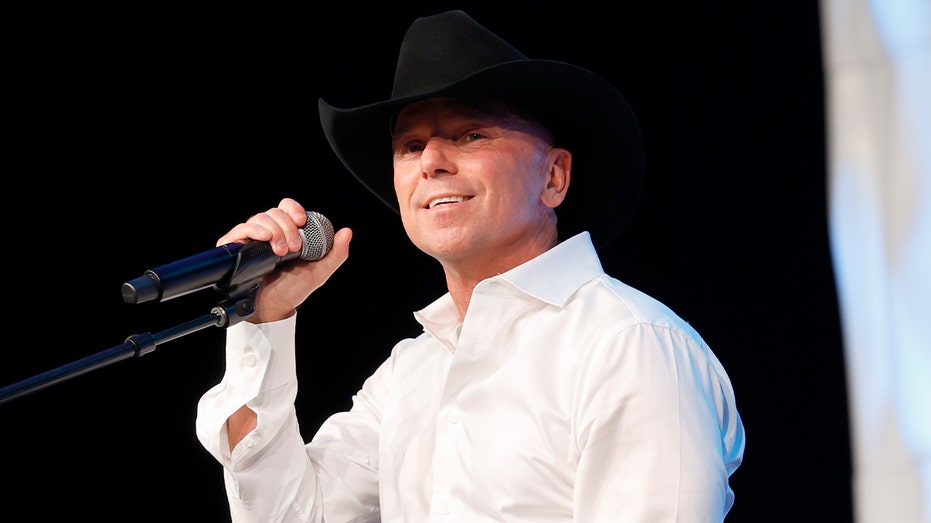
Kenny Chesney’s recent admission of physically striking a fan during a concert opens a window into the pressures and complexities of live performances by mega-stars. While sensational on its surface, this incident reflects broader tensions in celebrity culture, fan interaction boundaries, and performer safety in today’s music industry. Chesney’s candid reflection invites a deeper conversation on the often invisible dynamics behind the curtain during massive stadium tours.
The Bigger Picture: Historical Context of Artist-Fan Interactions
Artist encounters with overenthusiastic or invasive fans are hardly new. From Elvis Presley’s early fan frenzy to the crowd rushes faced by The Beatles, performers have long struggled with managing personal space and security. However, the scale and intensity of modern stadium tours—such as Chesney’s performances in NFL stadiums—have amplified these challenges. Concerts have evolved into arena-sized spectacles where fans often expect unprecedented proximity and interaction, pushing traditional boundaries.
Country music, with its roots in close-knit community and storytelling, traditionally fosters intimate bonds between artist and audience. Stars like Chesney, who bring this ethos to massive commercial tours, experience a tension between maintaining authenticity and managing large crowds. His incident in Pittsburgh echoes similar episodes from history where boundary breaches resulted in physical confrontations, revealing the ongoing negotiation of performer safety and fan enthusiasm.
What This Really Means: The Pressures Beneath The Spotlight
Chesney’s “snapping” at a fan who physically lifted him onto the stage highlights key issues. First, it underscores the stress performers face juggling stagecraft, security protocols, and spontaneous crowd interactions. Chesney’s attempt to blend showmanship—walking through the crowd like a boxer—was abruptly upended by his solitary position and an unexpected physical advance.
This incident also illuminates the complex psychological impact on artists navigating aggressive or uncontrolled fan behavior. Chesney’s immediate fear of legal consequences points to an unfamiliar realm where performers must balance personal defense against reputational risk and contractual liabilities. It’s a tightrope walk between maintaining composure as an entertainer and ensuring personal safety.
Expert Perspectives: Voices from the Music Industry and Psychology
Security consultants for live events emphasize that boundary enforcement is a critical yet challenging agent of safety. As Dr. Lisa Catalano, a performance psychology expert, notes, "Artists operate under immense cognitive load during performances; unexpected physical contact can trigger fight-or-flight responses, making ‘snapping’ a natural human reaction rather than deliberate aggression." This perspective helps reframe Chesney’s reaction as instinctive, not calculated violence.
Veteran tour manager Mark Sutherland expands on the complexity, stating, "When you have thousands of people packed in large outdoor venues, even the best security plans can't prevent all breaches. It’s a reminder of how much performers rely on both security and crowd discipline." This expert insight suggests Chesney’s incident is symptomatic of wider systemic challenges in managing mega-concerts.
Data & Evidence: Trends in Concert Security and Fan Incidents
Industry reports indicate that incidents involving fan invasions of stage or unwanted contact have increased in frequency as tours have grown larger and more elaborate. According to a 2023 Pollstar study, over 15% of major concert tours reported at least one on-stage altercation involving fans in the past five years.
Moreover, a Nielsen Music survey detailed that 63% of artists performing in stadiums expressed concerns about personal space violations during shows, signifying widespread unease. This data contextualizes Chesney’s experience within a growing pattern rather than an isolated event.
Looking Ahead: Implications for Performance Culture and Industry Practices
Chesney’s story invites reflection on potential shifts in concert staging and security protocols. As fans increasingly expect interactive experiences—including crowd surfing or on-stage contact—venues and artists must devise adaptable safety frameworks. This could mean enhanced training for artists on de-escalation techniques or reimagined stage designs to minimize solo vulnerability.
Artist-fan dynamics might also evolve toward clearer communicated boundaries while preserving engagement. Social media amplifies every incident, raising stakes for public relations and mental health support for performers. Chesney’s transparent acknowledgment helps destigmatize such moments and encourages open dialogue about the pressures artists face.
The Bottom Line: Lessons from an On-Stage Flashpoint
Kenny Chesney’s physical reaction to an intrusive fan is a microcosm of the fraught intersection between celebrity access and personal safety in modern live music. It’s less about a momentary lapse and more an indicator of structural challenges in concert culture—where the desire for connection meets the realities of scale and security.
Understanding these dynamics enriches our view beyond tabloid fodder into the human experience behind entertainment spectacle. Chesney’s candid recounting, supported by expert insights and industry data, underscores the need for ongoing evolution in how artists and audiences coexist safely and respectfully in live performance environments.
Topics
Editor's Comments
This incident shines a critical light on the sometimes unseen stresses behind live music performances. Chesney’s willingness to discuss his reaction frankly opens up conversations about artist vulnerability amidst adoring but potentially overwhelming crowds. It raises important questions about whether current concert security standards are sufficient in an era of ever-expanding audiences and fan expectations. Moreover, it challenges the myth of performer invincibility, reminding us that musicians are humans who can instinctively react to threats. In an industry where image control is paramount, Chesney’s story advocates for a more empathetic understanding of performer safety and emotional well-being.
Like this article? Share it with your friends!
If you find this article interesting, feel free to share it with your friends!
Thank you for your support! Sharing is the greatest encouragement for us.