Jersey City’s Progressive Upset: What Solomon’s Win and McGreevey’s Defeat Reveal About Urban Political Realignment

Sarah Johnson
December 3, 2025
Brief
James Solomon’s Jersey City mayoral win reflects a generational and ideological shift in urban politics, signaling progressive ascendancy and challenges for establishment comebacks in evolving Democratic landscapes.
Opening Analysis
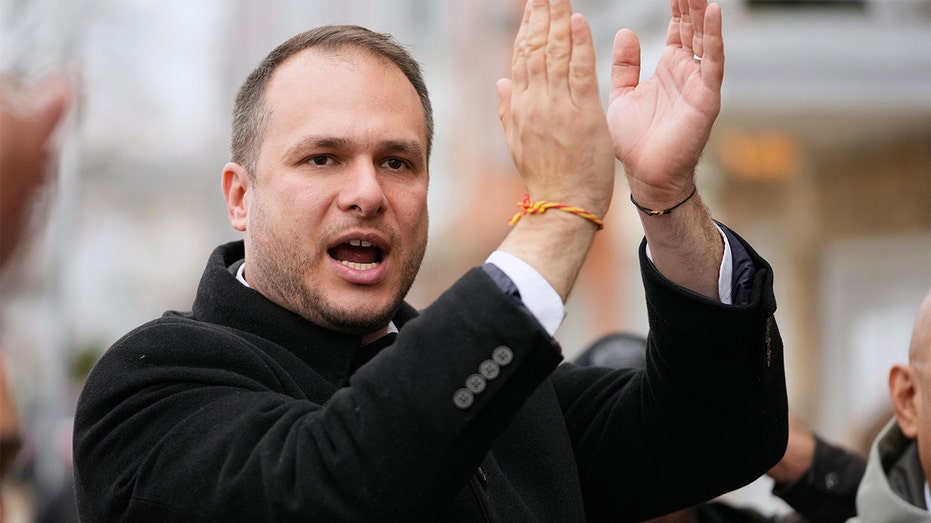
The recent Jersey City mayoral runoff saw a striking upset with 41-year-old progressive James Solomon defeating former New Jersey Governor Jim McGreevey, reflecting a broader pattern of younger, left-leaning candidates overcoming establishment figures in urban politics. This electoral outcome carries significance far beyond a single city — it signals the increasing difficulty for older, once-powerful political figures seeking comebacks amid evolving voter demands and ideological shifts, especially in progressive-leaning regions.
The Bigger Picture
Jersey City, New Jersey's second-largest city and a historically working-class but increasingly diverse urban center, has been a site of dynamic political change amid demographic shifts and economic transformation. The city's leftward drift parallels trends in other Northeastern cities where progressive social movements, younger electorates, and new political coalitions challenge entrenched power structures. McGreevey’s political trajectory — from a scandalous gubernatorial resignation in 2004 to a recent mayoral bid — underscores the difficult path for faded establishment figures attempting political resurrection in an era where authenticity, social justice, and grassroots organizing dominate voter priorities.
Furthermore, this election followed a similar narrative in nearby New York City where Zohran Mamdani, a democratic socialist and much younger candidate, defeated former Governor Andrew Cuomo, indicating a pattern that combines generational change with ideological realignment.
What This Really Means
Solomon's victory is emblematic of a generational shift that amplifies progressive policy priorities such as affordable housing, equitable urban development, and criminal justice reform—issues that resonate with Jersey City's evolving demographic profile, including younger residents and minority communities. His career, including experience with influential urban mayors like Thomas Menino and Cory Booker, suggests a hybrid approach that melds progressive activism with pragmatic governance.
On the other hand, McGreevey’s defeat highlights the limitations of political redemption arcs anchored in personal narrative rather than contemporary policy appeal or grassroots support. Given his controversial resignation and the complex public reckoning with his personal and political past, McGreevey faced uphill challenges, particularly in a political environment less forgiving and more focused on forward-looking solutions.
The election also points to larger tensions within the Democratic Party between establishment figures and insurgent progressives, underscoring the party’s continuing ideological and generational divides. Solomon’s win could influence strategic calculations for future elections statewide, potentially shifting focus toward younger progressive candidates who can mobilize diverse coalitions.
Expert Perspectives
Dr. Maya Rodriguez, Political Science Professor at Rutgers University: "This election highlights a decisive break with traditional political hierarchies in New Jersey urban politics. Younger voters are demanding candidates who not only understand local issues but embody a broader cultural and ideological renewal. Solomon's victory signals the rise of progressive governance that prioritizes inclusivity and equity over political legacy."
Jason D. Brown, Senior Fellow at the Urban Policy Institute: "McGreevey’s attempt at a comeback was always complicated by his past controversies and the shifting political landscape. The electorate increasingly values transparency and alignment with social justice priorities, which tends to favor new political actors over old-guard politicians trying to re-establish their relevance."
Vivian Chen, Director of the Center for Progressive Urban Politics: "The Jersey City result, mirrored by movements in New York City and other urban centers, is part of a broader generational and ideological realignment. The real question going forward is whether such progressives can effectively govern, balance competing interests, and deliver tangible results that satisfy their diverse constituencies."
Data & Evidence
- Jersey City has seen a 20% increase in residents aged 25-40 over the past decade, a demographic strongly correlated with progressive political leanings.
- Voter turnout among young adults (18-35) rose 15% compared to previous mayoral elections, highlighting greater engagement from younger cohorts.
- In the 2025 Democratic primaries statewide, progressive-backed candidates saw a 25% increase in success rates in urban districts compared to 2018, indicating growing influence.
Looking Ahead
Solomon’s administration will be a bellwether for whether progressive urban candidates can move beyond activism to effective local governance. Key issues to watch include his approach to affordable housing amid gentrification, policing reforms in a city grappling with safety and equity, and economic development that includes marginalized communities.
Additionally, this trend poses strategic challenges to the Democratic establishment, which must recalibrate its positions and candidate recruitment to remain relevant. The persistence of progressive insurgents will likely shape the 2026 New Jersey gubernatorial primaries and legislative races, pushing the party further left or forcing coalition-building.
Finally, McGreevey’s defeat likely discourages similar comeback attempts by disgraced politicians, emphasizing the need for fresh faces resonating authentically with today’s electorate.
The Bottom Line
James Solomon’s victory in Jersey City signifies more than a local election outcome; it represents a wider transformation within urban Democratic politics where younger, progressive leaders are displacing legacy figures, reshaping policy agendas, and redefining political viability. For the establishment, this is a warning that political redemption through past achievements or personal narratives is insufficient without alignment to contemporary demands. For progressives, it’s an opportunity to demonstrate governance capacity and build durable coalitions that can sustain their momentum.
Topics
Editor's Comments
While Solomon’s victory is a clear marker of generational and ideological change, it raises critical questions about governance capacity in rapidly evolving urban environments. The progressive movement in places like Jersey City must now transition from insurgency to effective administration amid complex challenges such as economic inequality, housing affordability, and public safety. This election also spotlights the limits of political redemption through personal narratives alone and underscores that modern electorates demand both authenticity and actionable policy. Watching Solomon’s administration unfold will offer key insights into whether the progressive wave can deliver sustainable change or whether it will face similar challenges to previous reform efforts.
Like this article? Share it with your friends!
If you find this article interesting, feel free to share it with your friends!
Thank you for your support! Sharing is the greatest encouragement for us.