
Inside the VA’s Renewed Fight Against Veteran Suicide: Hidden Causes and Holistic Solutions

Sarah Johnson
December 3, 2025
Brief
In-depth analysis of the VA's renewed campaign to prevent veteran suicide, exploring underlying causes, historic context, expert views, and the future of holistic veteran care.
Opening Analysis
The enduring crisis of veteran suicide in the United States speaks to profound, unresolved challenges faced by those who have served their country. The recent "Don't Wait. Reach Out." campaign launched by the Department of Veterans Affairs and the Ad Council marks more than another awareness drive—it signals a shift toward recognizing and addressing the hidden, multifaceted causes behind veterans' struggles, pushing for proactive, community-centered solutions beyond crisis intervention.
The Bigger Picture
Veteran suicide is not a new phenomenon, yet its persistence underscores systemic failures and societal blind spots. Historically, the reverence for veterans has often been symbolic, centered on ritualized remembrance rather than on sustained support for their mental health and reintegration needs. The modern veteran population, shaped by conflicts in Iraq, Afghanistan, and other deployments, faces unique psychological challenges including PTSD, traumatic brain injury, and prolonged stress from multiple deployments. Coupled with economic and social pressures—from difficulty accessing healthcare to challenges in securing stable employment—the underlying causes of veteran suicide are complex and interwoven.
The Department of Veterans Affairs has long been an anchor in providing benefits and care. However, its resources have been stretched by increasing demand, bureaucratic hurdles, and the stigma veterans often feel seeking help. The "Don't Wait. Reach Out." campaign reflects a growing understanding that outreach must be continuous, multifaceted, and destigmatizing, focusing equally on prevention and early intervention rather than just crisis response.
What This Really Means
This campaign acknowledges and elevates a critical yet often overlooked narrative: that veteran suicide is not primarily caused by the visible wounds of war, but by a constellation of hidden wounds—mental health issues, isolation, financial instability, and difficulty transitioning to civilian life. By addressing these issues before they culminate in crisis, the campaign pushes for a cultural shift within veteran communities and society at large.
Further, it reframes veterans’ challenges as ongoing missions rather than terminal failures. The messaging highlights belonging, growth, and resilience, thus challenging the toxic tropes of self-reliance and stoicism that have historically prevented many veterans from seeking help. In doing so, the campaign humanizes veterans as individuals with evolving needs, not just as heroic figures.
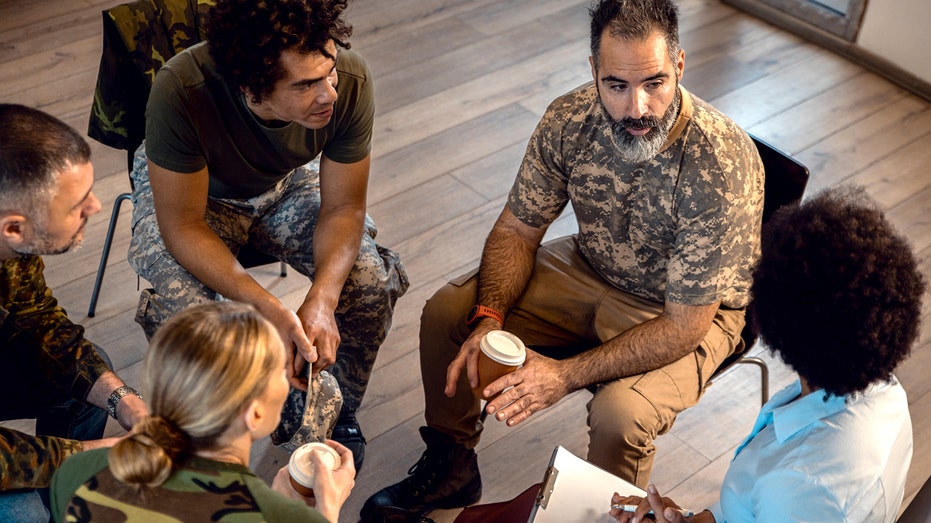
Importantly, it engages not only veterans but also their friends, family, and communities, emphasizing the role of collective support and open communication. This expands the responsibility beyond the VA, advocating a society-wide commitment to veteran well-being.
Expert Perspectives
Dr. Kelly Lee, a clinical psychologist specializing in veteran mental health, explains, "The most effective suicide prevention in veterans comes from early detection and community involvement. Campaigns like 'Don't Wait. Reach Out.' help break down stigma and develop trust, which are essential for veterans hesitant to seek care. Mental health challenges don’t exist in a vacuum—they affect finances, relationships, and self-worth."
Retired Army Colonel Marcus Thompson, who now works on veteran reintegration programs, notes, "Veterans often feel disconnected post-service. Recognizing that transition is a new mission opens doors for engagement. This campaign's strength is in promoting that veterans still have purpose and a support network throughout their lives."
Heidi Arthur from the Ad Council reinforces this, emphasizing the importance of year-round messaging and the campaign's holistic approach, saying, "This isn't a holiday campaign—it's a call for ongoing awareness that veteran struggles don't adhere to a calendar."
Data & Evidence
The 2024 National Suicide Prevention Annual Report highlights that suicide was the 12th leading cause of death among veterans in 2022, averaging 17.6 veteran suicides per day. While this number has shown small declines in recent years thanks to improved outreach and care models, it remains disproportionately high compared to the civilian population.
Additionally, data from the VA indicates over 3.5 million veterans are now familiar with the campaign’s messaging, correlating with increased help-seeking behavior across diverse demographic groups. However, disparities remain, particularly among younger veterans and minority groups who may face barriers accessing culturally competent care.
Studies also show that veterans with untreated PTSD, substance abuse disorders, and financial hardships are at significantly higher risk for suicidal ideation, underscoring the campaign’s multidimensional focus on mental health, economic stability, and social connection.
Looking Ahead
Going forward, the campaign’s effectiveness will depend on its ability to sustain momentum and integrate with broader policy reforms. There is growing advocacy for improving VA infrastructure, expanding telehealth access, and deploying peer-support networks modeled on successful community-based programs.
Emerging innovations in tracking and predictive analytics offer potential for more personalized and timely interventions, but must be paired with efforts to dismantle stigma and improve outreach to marginalized veteran subgroups.
The campaign also spotlights an ongoing need for societal engagement: friends, families, and communities must be more educated and empowered to recognize and act on early warning signs. This cultural shift towards open dialogue about mental health is essential.
The Bottom Line
The "Don't Wait. Reach Out." campaign represents a pivotal evolution in how veteran suicide is addressed—moving beyond after-the-fact crisis management toward proactive, holistic care that recognizes the hidden struggles many veterans face daily. By combining public health strategies with heartfelt messaging and community involvement, it offers a roadmap for reducing veteran suicide that other countries and sectors might emulate. Yet, the real challenge lies in turning awareness into sustained action that transforms veteran support systems at every level.
Topics
Editor's Comments
This campaign exemplifies a critical turning point in how society addresses the perpetual crisis of veteran suicide. Too often, suicide prevention efforts focus narrowly on crisis moments without addressing the underlying structural and emotional factors. The real breakthrough is the campaign’s holistic approach—viewing veteran well-being as a complex ecosystem involving mental health, social connection, economic stability, and a sense of purpose. Yet, sustained funding, policy support, and cultural change will be necessary to transform awareness into measurable reductions in tragedy. Additionally, we must ensure that outreach effectively reaches underrepresented veteran groups who might feel disconnected from mainstream VA messaging. Ultimately, this effort could serve as a model for other countries grappling with veteran mental health if it succeeds in bridging gaps between veterans and their communities.
Like this article? Share it with your friends!
If you find this article interesting, feel free to share it with your friends!
Thank you for your support! Sharing is the greatest encouragement for us.