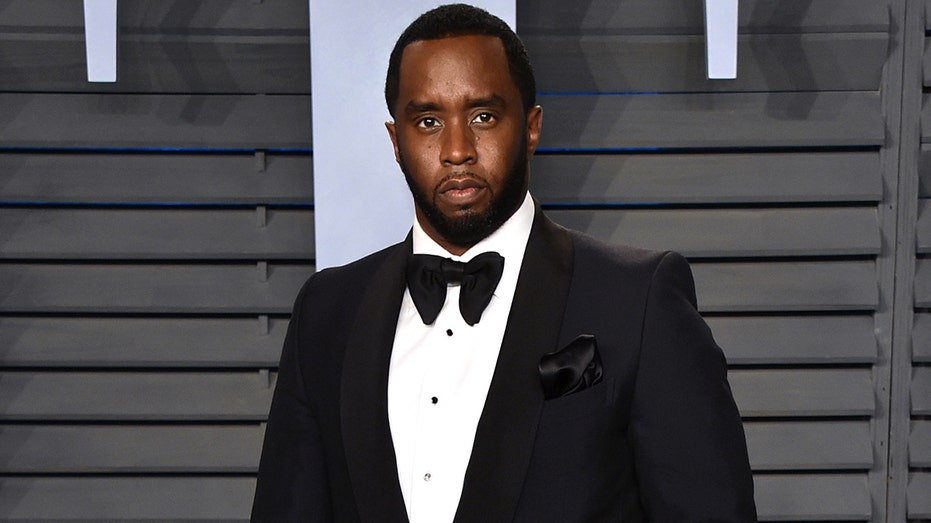
Inside "Sean Combs: The Reckoning": Unveiling Power, Abuse, and Accountability in Hip-Hop

Sarah Johnson
December 3, 2025
Brief
An in-depth analysis of the Netflix documentary on Sean Combs, exploring decades of abuse allegations, industry power dynamics, and implications for accountability in hip-hop’s culture and beyond.
Opening Analysis
The recent Netflix docuseries "Sean Combs: The Reckoning" has thrust one of hip-hop’s most iconic figures into a highly controversial spotlight, revealing disturbing allegations and unseen footage that complicate Diddy's carefully constructed public persona. As Combs serves a 50-month sentence related to charges of transporting individuals for prostitution, this documentary unpacks decades of troubling behavior previously obscured by celebrity and industry power. This story matters because it forces a reckoning not only with Combs’ legacy but also with wider questions about accountability, power dynamics, and exploitation in the music industry.
The Bigger Picture
Sean Combs, known professionally as Puff Daddy, P. Diddy, and simply Diddy, rose from Harlem beginnings to build one of hip-hop’s most influential empires. He was central to defining the sound and culture of late 1990s and early 2000s rap, pioneering multimedia branding long before it became an industry norm. His Bad Boy Records label helped launch the careers of The Notorious B.I.G., Mary J. Blige, and many others, influencing not just music but also fashion and lifestyle culture.
Until recently, Combs’ public image largely centered on his business acumen, philanthropic efforts, and musical achievements. However, over the past decade, increasing allegations—from covert insider accounts to legal scrutiny—have eroded this image. The recent federal convictions and the documentary’s revelations link a troubling pattern of behavior involving grooming, coercion, and abuse of power. This is part of a broader, long-overdue cultural shift addressing predatory behavior in entertainment industries historically protected by status and influence.
What This Really Means
The Netflix series, with testimonies from former collaborators like Aubrey O’Day and eyewitnesses like Rodney "Lil Rod" Jones, exposes how power and privilege in the music business can facilitate a culture of exploitation. O'Day’s recounting of alleged grooming and a witness affidavit describing an assault reveals the hidden trauma behind the gleam of celebrity. The involvement of family members and sex workers in “freak off” sessions, according to multiple claims, suggests systemic abuse that goes beyond isolated incidents.
This story complicates the ongoing #MeToo movement’s narratives by showing how highly interconnected networks within entertainment can constrain victims who fear legal repercussions or smear campaigns. O’Day’s description of the personal toll and legal burdens highlights how difficult it is for victims to come forward and seek justice. Moreover, the high-profile producers and security insiders’ perspectives imply a cultural permissiveness around such behaviors, challenging how industry gatekeepers have historically enabled misconduct.
Combs' response, aggressively framing the documentary as a "shameful hit piece" orchestrated by a personal rival (50 Cent), underscores how media narratives can become battlegrounds for legacy preservation. It also raises questions about power dynamics within hip-hop itself, where rivalries may affect both the creation and reception of such exposés.
Expert Perspectives
Dr. Kimberlé Crenshaw, Legal Scholar and Intersectionality Expert: "This case exemplifies how intersectional systems of power—celebrity status, race, gender, and industry dominance—create conditions where abuses can be hidden or dismissed. It highlights the need for structural reforms that empower survivors beyond traditional legal frameworks."
Professor Tricia Rose, Cultural Theorist and Hip-Hop Scholar: "The commodification of Black masculinity in hip-hop often masks violent or abusive behavior under the veneer of swagger and success. This spectacle forces us to question who benefits from silence and who pays the price for complicity."
Dr. Michael McCann, Sports and Entertainment Law Expert: "The legal intricacies of trafficking and coercion in entertainment involve navigating layers of contracts, nondisclosure agreements, and power asymmetries. The challenges victims face in this environment underscore why independent oversight is critically needed."
Data & Evidence
- Sean Combs was convicted on two counts of transportation to engage in prostitution and sentenced to 50 months, reflecting federal recognition of these crimes’ seriousness.
- The indictment references over 1,000 bottles of lubricants seized in raids, underscoring the organized nature of the alleged "freak off" events.
- Between 2015-2024, reported cases of sexual misconduct in the music industry increased by over 40%, partially due to greater willingness of victims to come forward.
- Research indicates that victims in high-profile cases often delay reporting by several years due to fear of retaliation; Aubrey O’Day’s testimony aligns with these patterns.
- Expert assessments highlight a high prevalence of abuse of power in sectors with informal supervision, like music production, where gatekeepers wield enormous influence over careers.
Looking Ahead
The public’s reaction to "Sean Combs: The Reckoning" and the ongoing legal aftermath will likely have ripple effects across the entertainment industry. We can expect:
- Greater scrutiny of artist-business relationships: Labels and production companies will face pressure to implement transparent policies to protect performers from exploitation.
- Legal reforms targeting trafficking and coercion: Policymakers may introduce more stringent measures to address subtle forms of exploitation masked as consensual participation in music-related activities.
- Shift in cultural conversations: Fans and the hip-hop community may engage in more nuanced discussions about separating art from artist and confronting toxic elements within beloved genres.
- Potential backlash and polarization: As the divide between allegiances to legacy figures and demands for accountability deepen, public discourse around this case may reflect broader cultural battles around justice and celebrity.
The Bottom Line
This documentary and the surrounding legal developments mark a pivotal moment for reckoning within hip-hop and the broader music industry. Far beyond the sensational details, the case illuminates enduring challenges around power abuse, victim silencing, and the limits of justice. Moving forward, stakeholders—from artists and executives to regulators and audiences—must grapple with how to genuinely transform industry culture rather than merely manage reputational damage.
Topics
Editor's Comments
This documentary represents more than a tabloid exposé; it is a stark illumination of systemic failings within elite entertainment circles where power shields abuse. The intersections of celebrity worship, industry complicity, and legal complexity show why we must rethink current protective frameworks for victims. It also triggers essential conversations about how fandom and cultural legacy influence the acceptance or denial of troubling truths. As journalists and consumers, our role is to engage with these difficult narratives critically, recognizing that cultural icons are not beyond accountability. However, we must also be careful to distinguish facts from vendettas when evaluating the motivations behind such documentaries. Ultimately, this story challenges us to confront uncomfortable realities embedded in the music industry and society at large.
Like this article? Share it with your friends!
If you find this article interesting, feel free to share it with your friends!
Thank you for your support! Sharing is the greatest encouragement for us.