When Dreams and Danger Collide: Analyzing the Tragedy of the Lion Enclosure Mauling in Brazil

Sarah Johnson
December 3, 2025
Brief
A deep analysis of a Brazilian teen mauled after entering a lion enclosure, exploring mental health, wildlife safety, and ethical implications beyond the tragedy.
Opening Analysis
The tragic death of 19-year-old Gerson de Melo Machado, who was mauled after deliberately climbing into a lion enclosure at Brazil's Arruda Câmara Zoobotanical Park, highlights critical intersections between mental health, wildlife safety protocols, and societal fascination with wild animals. Beyond the immediate horror, this incident raises complex questions about human-animal boundaries, institutional preparedness, and the societal stigmas around schizophrenia and risk-taking behaviors.
The Bigger Picture
This event is part of a broader historical pattern of individuals drawn to dangerous interactions with wild animals, often motivated by cultural perceptions of power, control, and identity. Lion taming has long been entrenched in popular imagination through circuses and media, symbolizing mastery over nature. Yet, such acts are fraught with risk, and modern zoos largely prohibit direct contact for obvious safety reasons.
Brazil, with its rich biodiversity and extensive network of zoos, has faced recurring challenges balancing conservation, public engagement, and animal welfare. Historically, enclosures like Arruda Câmara have implemented stringent safety measures after past incidents worldwide. Still, intentional trespassing remains a largely unpredictable risk.
Machado’s reported schizophrenia diagnosis adds another layer reflecting the challenges mental health issues pose for public safety frameworks. Across the globe, individuals struggling with such disorders are vulnerable to impulsive or delusional behaviors, sometimes involving self-endangering actions that testing boundaries between protection and autonomy.
What This Really Means
This case exposes a confluence of factors rarely highlighted together: the gap between mental health care and community safety, the psychological allure of symbolic animal roles like lion taming, and zoo infrastructure’s limits in preventing unanticipated intrusions.
Unlike accidental escapes or animal attacks, this was a deliberate breach motivated by deeply personal aspirations and possible psychosis. It underscores the urgent need for holistic approaches incorporating mental health awareness and crisis management in public facilities.
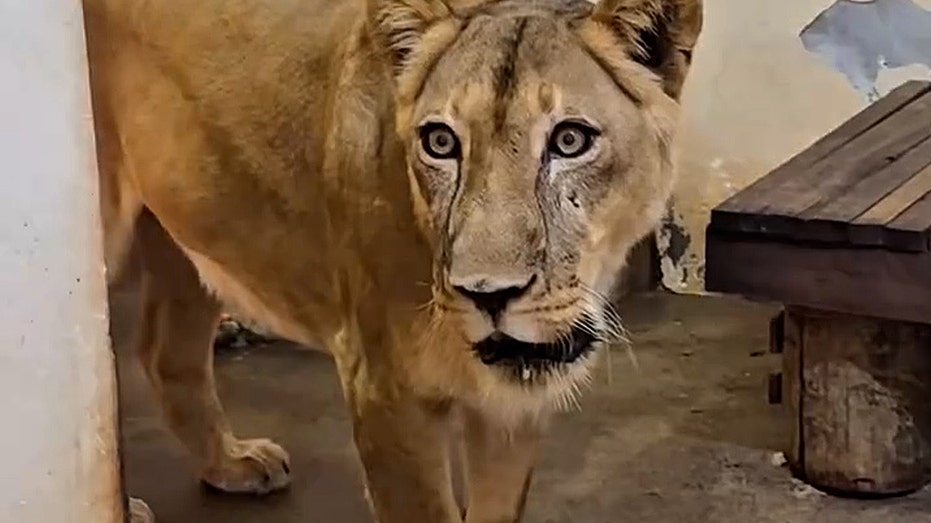
The zoo’s decision not to euthanize the lioness "Leona" challenges recurring narratives that often condemn animals as scapegoats in such incidents. Recognizing the lion’s natural behavior under extreme stress reframes the discussion toward animal welfare ethics rather than reactive punishment.
Expert Perspectives
- Dr. Elena Rodriguez, Wildlife Behavior Specialist: "Animals in captivity respond instinctively to threats. When humans disregard boundaries, we must not project blame onto the animal but rather reassess human safety strategies and education around wildlife interactions."
- Dr. Marcus Franca, Psychiatrist specializing in Psychosis: "Schizophrenia can manifest as disordered thinking and delusions that impair risk perception. Tragically, individuals like Machado often act on unrealistic desires without fully grasping consequences, highlighting gaps in community mental health support."
- Maria Santos, Ethologist at Brazilian Conservation Institute: "This tragic event is a stark reminder that zoos must integrate behavioral surveillance not only for animals but potential human risk elements, especially in facilities open to the public in urban contexts."
Data & Evidence
Statistics from global zoo incident reports indicate that fewer than 5% of animal attacks result from deliberate human intrusion, with most provoked by accidental proximity. Yet, these attacks carry disproportionately high fatality rates due to the unpredictability of both animals and trespassers.
Mental health data from Brazil reveals approximately 1% of the population is diagnosed with schizophrenia, with significant treatment gaps exacerbated by socioeconomic factors. Community health workers face challenges monitoring individuals with complex care needs, increasing risks of isolated or risky behaviors.
Reports from international zoological associations emphasize the efficacy of integrated security measures like elevated fencing complemented by psychological deterrents (signage, educational outreach) to reduce intentional breaches. However, fully preventing motivated individuals remains an unsolved challenge.
Looking Ahead
Zoos worldwide must rethink safety in a more interdisciplinary way—combining physical protections with mental health collaboration and community education that addresses deeper causes of intentional breaches.
For Brazil’s public health system, Machado’s death should prompt investment in early intervention and continuous monitoring frameworks for people with severe mental illnesses to potentially prevent similar tragedies.
The ethical debate around captivity and wild animal management will intensify as incidents like this spark public sympathy for both the human victim and the animal involved. Zoos need to advance transparency around animal welfare post-incident and carefully manage narratives to avoid scapegoating.
The Bottom Line
The death of a young man chasing a dream complicated by mental illness in a lion enclosure is a profound tragedy illustrating intersecting vulnerabilities: of humans with mental health challenges and the limits of zoo safety protocols. Addressing such risks requires nuanced strategies that fuse mental health care access, educational outreach about wildlife boundaries, and animal welfare ethics. Only then can institutions create spaces that protect both creatures and people.
Topics
Editor's Comments
This incident forces us to confront uncomfortable questions about how society supports individuals with mental illnesses whose actions might endanger themselves and others. It's easy to fixate on the spectacle of a man in a lion enclosure, but the root causes—lack of mental health resources, the glamorization of dangerous dreams, and institutional limits—deserve equal scrutiny. Furthermore, the zoo’s decision to protect the lion challenges us to rethink reflexive responses to animals involved in such events. Moving forward, a layered approach balancing compassion, care, and security will be critical to prevent future tragedies of this nature.
Like this article? Share it with your friends!
If you find this article interesting, feel free to share it with your friends!
Thank you for your support! Sharing is the greatest encouragement for us.