The Death of Yasser Abu Shabab and the Fracturing of Power in Gaza’s Shadow Wars

Sarah Johnson
December 5, 2025
Brief
The assassination of an Israel-backed militia leader in Gaza exposes the fragility of Hamas’s control, the rise of local militias, and the risks of intensified clan violence amid governance vacuums.
Unpacking the Murder of Yasser Abu Shabab: The Complex Web of Power and Militias in Gaza
The assassination of Yasser Abu Shabab, a powerful clan leader and head of an Israel-backed militia in Rafah, represents a pivotal moment in Gaza's fractious power dynamics. This killing not only underscores the deteriorating authority of Hamas but also highlights the growing fragmentation and chaos within Gaza’s social fabric. Far from a mere local feud, this event signals broader shifts in governance, security, and external influence in the region.
The Bigger Picture: Fragmentation and Rivalries in Gaza’s Political Landscape
For decades, Hamas has maintained a firm grip on Gaza's governance through both political control and armed force. However, this control has been increasingly contested, especially in border areas like Rafah, historically rife with tribal loyalties and clan rivalries. Yasser Abu Shabab’s militia, formed in early 2024 amidst Israel’s intensified military actions, exemplified an emergent challenge to Hamas’s unipolar authority.
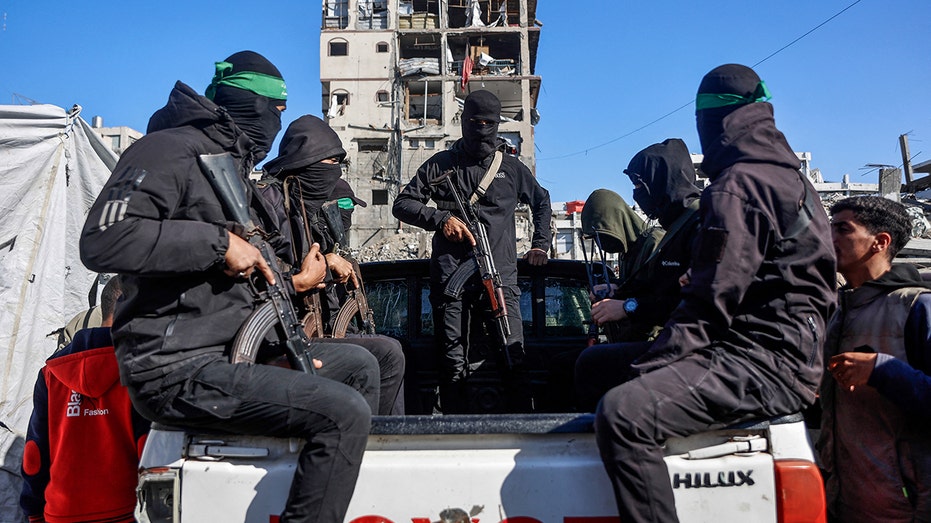
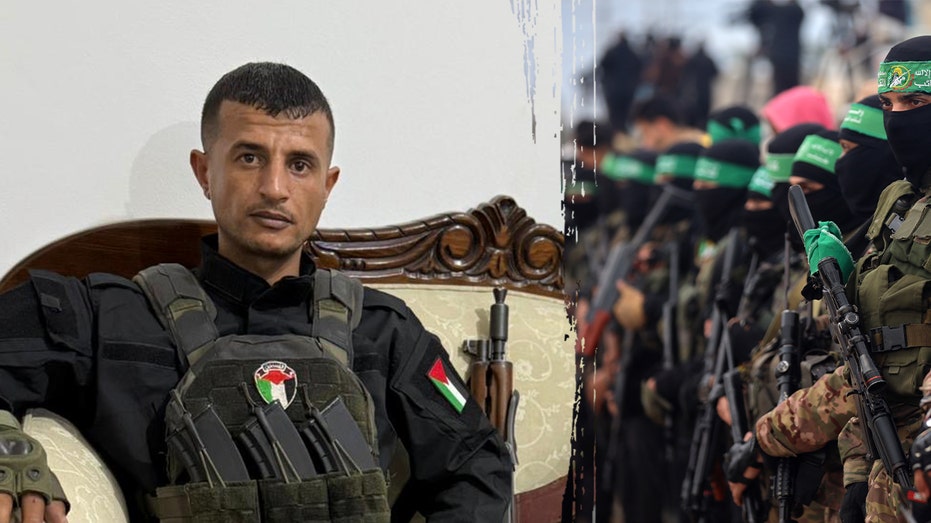
Unlike Hamas’s Islamist ideology and centralization, Abu Shabab represented a tribal-based, localized power center that operated under tenuous Israeli protection. The Popular Forces militia under his leadership took on roles such as protecting civilians from Hamas violence and escorting humanitarian aid convoys in eastern Rafah. This pragmatic cooperation reflected a war of interests—Israel seeking to weaken Hamas’s influence, and Abu Shabab seeking autonomy within Gaza’s security vacuum.
What This Really Means: The Limits of Proxy Militias and Power Vacuum Risks
The murder of Abu Shabab by a rival clan faction (Hamula) reveals deep and dangerous fissures below the surface of Palestinian resistance politics. While Israel may have viewed such militias as tactical assets against Hamas, their existence also underscores the failure to establish a stable governing alternative. Professor Kobi Michael of INSS rightly notes that these militias cannot 'replace Hamas or become an effective ruler of the Gaza Strip,' implying that the absence of a cohesive authority risks sliding Gaza into anarchy.
Hamas’s effort to dismantle these militias reflects a survival instinct, as they perceive armed non-state actors as immediate threats to their rule. Yet, the killing shows that dismantling Hamas alone doesn’t resolve Gaza’s foundational governance challenges. Instead, it risks unleashing local vendettas and clan warfare, exacerbating civilian vulnerability in an already volatile region.
Expert Perspectives: Divergent Views on Stability and Security
Georgios Petropoulos, a senior U.N. official, once characterized Abu Shabab as the 'self-styled power broker of east Rafah,' highlighting the localized nature of his influence rather than any formal political legitimacy. Experts widely agree that while militias like the Popular Forces serve Israel’s immediate tactical goals, they lack the broader political framework required for sustainable order.
Security analyst Michael Kobi explains that "both sides have a common enemy—Hamas," yet their cooperation is primarily pragmatic rather than ideological. The militia’s vow to 'eliminate the last terrorist in Gaza' illustrates their militant posture, but without broader political arrangement, they risk further fragmentation rather than reconciliation.
This echoes historical patterns seen in other conflict zones where external states back local militias to undermine dominant factions, often with unintended destabilizing consequences.
Data & Evidence: Increasing Militia Activity and Escalating Clan Violence
Since the ceasefire mediated in October 2025, Gaza’s security environment has seen a proliferation of armed clan groups and militias exploiting the relative weakening of Hamas control. The Popular Forces militia, operating in Israeli-controlled sections of southern Gaza, increased its patrols and security sweeps citing threats from Hamas embedded in urban neighborhoods.
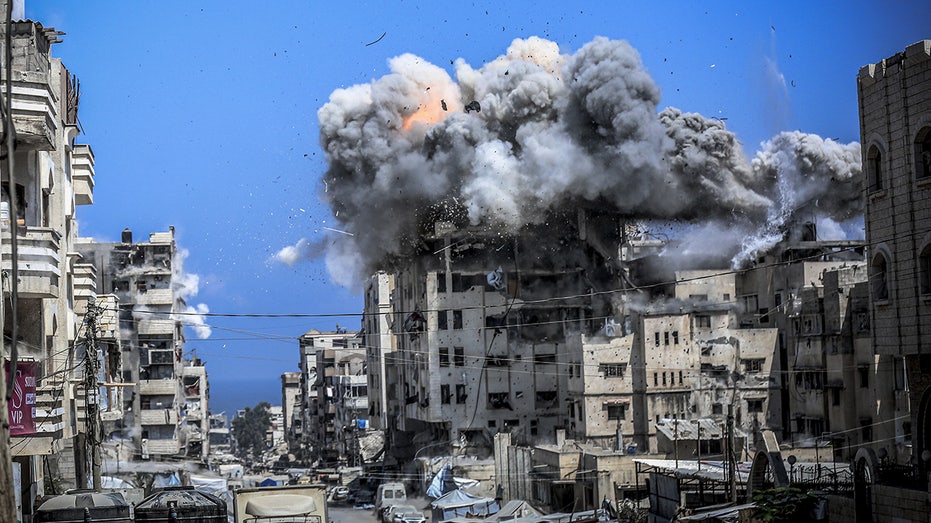
Violent confrontations have escalated, with reports indicating dozens of casualties in clashes between Hamas and rival armed clans in recent months. Such fragmentation is consistent with a broader trend documented by conflict monitors that post-ceasefire Gaza has devolved into a patchwork of armed groups vying for control of smuggling routes, aid distribution channels, and local political influence.
Looking Ahead: Fragile Ceasefires, Governance Gaps, and Humanitarian Risks
The death of Abu Shabab underscores the delicate equilibrium Gaza currently faces. Without a comprehensive political solution that integrates or neutralizes militias and addresses territorial governance, violence is likely to persist or escalate.
Observers should watch for:
- Further clan-related violence in border towns, potentially sparking wider conflict
- Shifts in Israeli policy towards local militias amid concerns over uncontrolled violence
- Humanitarian aid disruptions as competing groups vie for control over distribution
- Potential political voids that extremist groups may exploit if chaos intensifies
Long-term stability in Gaza requires more than military pressure on Hamas. It necessitates inclusive governance mechanisms that can reconcile competing local actors and provide security guarantees that do not depend solely on armed factions.
The Bottom Line
The killing of Yasser Abu Shabab illustrates much more than a single act of violence. It reflects the shifting sands of power in Gaza’s contested spaces and the unintended consequences of using proxy militias to undermine entrenched groups like Hamas. While these militias challenge Hamas’s authority, they also deepen insecurity and fragmentation. Sustainable peace and stability in Gaza depend not only on Israeli-Hamas ceasefires but on addressing the underlying governance vacuum that fuels militia emergence and clan rivalries.
Topics
Editor's Comments
Abu Shabab's death should prompt a critical reassessment of the reliance on local militias as tools in asymmetric conflict zones. While tactically advantageous in undermining groups like Hamas, such militias often operate without formal accountability or governance legitimacy, fueling cycles of violence and fragmentation. This incident raises urgent questions about Israel and international actors’ strategies moving forward—how to stabilize Gaza without further empowering localized factions that may oppose each other as much as their shared adversaries. It also signals the limits of military solutions in deeply complex sociopolitical contexts where clan identity and local grievances play outsized roles.
Like this article? Share it with your friends!
If you find this article interesting, feel free to share it with your friends!
Thank you for your support! Sharing is the greatest encouragement for us.